
Compare models
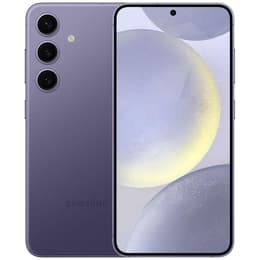
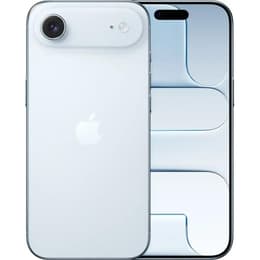
Galaxy S24 Vs iPhone Air
- 1-year minimum warranty
- Free delivery on all items
- Free 30-day returns
Differences at a glance
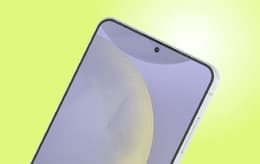
The Samsung Galaxy S24 (2024) and the Apple iPhone Air (2025) represent two distinct approaches to modern flagship smartphone engineering, balancing compact ergonomics with advanced computing capabilities. While the Galaxy S24 focuses on a versatile multi-lens camera layout within a traditional compact frame, the iPhone Air prioritizes an ultra-slim profile and expansive display real estate. Operating on Android and iOS respectively, these devices cater to users seeking high-level performance packaged in very different physical designs.
Available Models
Colour
Storage (GB)
Scores
Durability
When evaluating the longevity and construction durability of these two devices, users must consider software support lifespans and physical material resilience under daily wear.
- Software support timelines: The Galaxy S24 benefits from an extended manufacturer commitment providing long-term operating system updates, whereas the iPhone Air follows a standard multi-year update schedule typical of its operating system ecosystem.
- Build materials and repairability: The Galaxy S24 utilizes an aluminum frame with reinforced glass panels, while the iPhone Air adopts a titanium structure paired with durable glass protection layers, both offering standard industry resistance to dust and water ingress.
- Expected lifespan: Both models provide robust internal processing headroom capable of supporting multi-year daily use cycles without noticeable degradation in operational efficiency.
Year of Release
2024
2025
Performance
Daily responsiveness and multitasking capabilities vary based on internal hardware organization, storage configurations, and energy management profiles.
- Multitasking and processing efficiency: Both devices handle intensive applications, rapid app switching, and demanding mobile games smoothly, supported by high-speed memory architectures.
- Storage configurations: Users can select from multiple internal storage tiers starting from baseline capacities upwards of high-end allowances, though neither model supports physical storage expansion via memory cards.
- Battery behavior: The Galaxy S24 relies on a moderate capacity cell suited for a standard day of mixed use, while the iPhone Air balances its thin chassis constraints with an optimized energy-efficient processor to sustain typical daily workflows.
Screen quality
Display characteristics differ notably in physical dimensions, peak luminance capabilities, and panel responsiveness.
- Display technology and size: The Galaxy S24 features a compact 6.2-inch dynamic AMOLED panel, whereas the iPhone Air offers a larger 6.5-inch OLED screen providing more workspace for media consumption.
- Outdoor visibility: Both screens reach high peak brightness levels, ensuring clear legibility and contrast under direct sunlight.
- Refresh rate smoothness: Each device incorporates a 120Hz refresh rate standard, delivering fluid scrolling animations and responsive touch feedback during navigation.
Audiovisual
Multimedia capture and audio playback hardware cater to distinct photography styles and media consumption preferences.
- Camera versatility: The Galaxy S24 employs a multi-lens rear array featuring primary wide, ultra-wide, and dedicated telephoto sensors for varied focal lengths, while the iPhone Air streamlines photography with a single high-resolution primary lens system.
- Video and low-light performance: Both smartphones record high-definition video with robust stabilization and manage challenging low-light environments effectively through automated computational processing.
- Audio output: Integrated stereo speaker setups deliver clear sound for voice calls and casual media streaming, though physical design constraints influence overall acoustic depth.
Miscellaneous
Practical daily usability is shaped by connectivity standards, physical dimensions, and biometric authentication features.
- Physical dimensions and handling: The Galaxy S24 offers a traditional pocket-friendly footprint with a standard thickness, whereas the iPhone Air focuses on a breakthrough ultra-thin profile that reduces pocket bulk.
- Connectivity options: Both models support current-generation 5G cellular networks, high-speed Wi-Fi standards, and Bluetooth pairing for seamless accessory connection.
- Biometrics and ports: Each device utilizes modern secure face recognition or in-display fingerprint sensors alongside reversible USB connection ports for charging and data transfer.
Screen size (in)
6.2
6.5
Mobile network
5G
5G
SIM card
Dual Physical SIM + eSIM
eSIM
Carrier compatibility
Unlocked
Unlocked
What the community thinks
User discussions across community forums frequently praise the Galaxy S24 for its comfortable one-handed usability and versatile multi-lens camera configuration, though some users note that intensive tasks can lead to moderate thermal warmth. Conversely, community feedback highlights the iPhone Air for its striking thinness and lightweight feel in the hand, while noting that its single-lens approach trades away optical zoom flexibility. Quality-assured refurbished options available through providers like Back Market offer an eco-friendly alternative for acquiring these flagship models while reducing electronic waste.
Users prioritizing a compact physical footprint, traditional multi-lens photographic versatility, and extended software support timelines may prefer the Galaxy S24. Meanwhile, users prioritizing an expansive display, ultra-slim modern ergonomics, and streamlined operating systems will likely lean toward the iPhone Air. Evaluating these core differences ensures a selection that aligns closely with individual daily usage habits and functional preferences.