Compare models

iPhone 16e Vs iPhone Air

  • 1-year minimum warranty
  • Free delivery on all items
  • Free 30-day returns
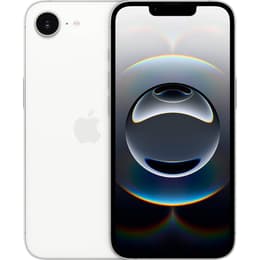
iPhone 16e
Starting at

Refurbished price:£390.99

Versus £599.00 new

See options
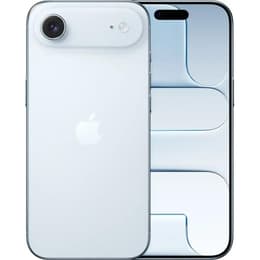
iPhone Air
Starting at

Refurbished price:£640.00

Versus £1,099.00 new

See options

Differences at a glance

The iPhone 16e (2025) and the iPhone Air (2025) represent two distinct approaches to modern smartphone design within Apple's mobile lineup. While both devices run on current versions of iOS and target users seeking efficient performance, they diverge significantly in physical form factor, display technology, and hardware capability. Choosing between them depends on whether you prioritize a lightweight, ultra-slim profile or everyday practical endurance.

Available Models

Colour

Storage (GB)

Scores

Durability

Both smartphones benefit from Apple's long-term software support framework, ensuring years of regular security updates and feature upgrades. However, their structural differences and internal configurations lead to distinct longevity expectations.

  • Software Support Window: Both models run current iOS software smoothly, though the iPhone Air features a more advanced processing tier that may accommodate heavy system updates further into the future.
  • Build Materials and Repairability: The iPhone 16e utilizes a standard aluminum frame with durable glass panels, whereas the iPhone Air employs a lightweight titanium construction designed for extreme thinness. Both models maintain high standards for water and dust resistance.
  • Expected Practical Lifespan: Users can expect multi-year durability from both devices, with the iPhone Air's larger memory configuration providing extra headroom for demanding background tasks over time.

Year of Release

2025

2025

Performance

Performance capabilities vary noticeably due to internal hardware differences, directly influencing multitasking efficiency, storage capacity, and daily battery endurance.

  • Storage Options: The iPhone 16e provides baseline storage configurations starting at lower capacities, while the iPhone Air caters to users requiring extensive media storage by starting at higher capacity tiers.
  • System Responsiveness: Both devices handle everyday applications, web browsing, and media streaming smoothly. However, the iPhone Air's advanced processing architecture delivers faster execution speeds during intensive multitasking and demanding graphical workloads.
  • Battery Behavior: The iPhone 16e features a higher-capacity battery relative to its screen size, translating to dependable endurance through standard daily use. Meanwhile, the iPhone Air balances its ultra-thin chassis with an optimized power-efficient processor to manage daily demands.

Screen quality

Display technology creates a major visual and tactile differentiator between the two models, impacting outdoor readability and scrolling smoothness.

  • Display Technology: The iPhone 16e features a standard OLED panel with traditional refresh rates, whereas the iPhone Air utilizes an advanced adaptive panel that scales dynamically for smoother scrolling and viewing.
  • Brightness and Clarity: The iPhone Air achieves higher peak outdoor brightness levels for clear visibility in direct sunlight, while both models maintain sharp resolutions for crisp text and media playback.
  • Viewing Area: The iPhone Air offers a larger screen workspace suited for media consumption and productivity, compared to the more compact display dimensions of the iPhone 16e.

Audiovisual

Image capture and media playback hardware differ to match the distinct design philosophies and target user profiles of each device.

  • Camera Capabilities: Both smartphones feature capable main camera systems equipped for high-resolution everyday photography, though the iPhone Air incorporates advanced computational photography features driven by its high-tier processor.
  • Video and Audio Recording: Both models record stable, high-definition video with clear stereo sound, making them reliable tools for casual content creation and video calls.
  • Media Consumption: The iPhone Air provides an immersive audio-visual experience paired with its expansive display, while the iPhone 16e delivers dependable media playback in a more pocket-friendly form factor.

Miscellaneous

Practical everyday features, physical dimensions, and connectivity options define how each device integrates into daily routines.

  • Design and Handling: The iPhone Air stands out for its remarkably thin profile and lightweight titanium build, making it effortless to carry. The iPhone 16e offers a slightly thicker, traditional profile that many users find secure and comfortable to grip.
  • Connectivity and Ports: Both models utilize universal USB-C ports for charging and data transfer, alongside modern wireless and 5G network compatibility.
  • Security and Sensors: Both devices support secure facial recognition features for fast authentication and safe transactions.

Screen size (in)

6.1

6.5

Mobile network

5G

5G

SIM card

eSIM

eSIM

Carrier compatibility

Unlocked

Unlocked

Connector

USB-C

USB-C

What the community thinks

Choosing between the iPhone 16e and the iPhone Air depends primarily on individual physical preferences and performance priorities. Users who value a lightweight, exceptionally thin profile with an expansive, high-refresh-rate display often lean toward the iPhone Air. Conversely, users who prioritize straightforward, everyday reliability in a compact footprint frequently find the iPhone 16e well-suited to their needs.

Public sentiment from user communities highlights appreciation for the iPhone Air's remarkable engineering and visual clarity, alongside occasional discussions regarding its premium positioning. Meanwhile, owners of the iPhone 16e frequently praise its dependable battery life and straightforward utility. For those seeking a quality-assured refurbished option, choosing a sustainable device through platforms like Back Market offers an eco-friendly alternative that aligns technology acquisition with environmental responsibility.