Galaxy S20 5G Vs iPhone 13

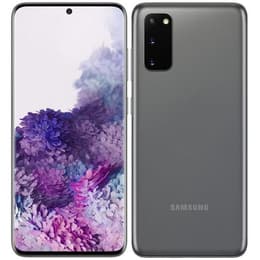
Galaxy S20 5G
Galaxy S20 5G
Starting at

Refurbished price:£132.00

Versus £899.00 new

See options
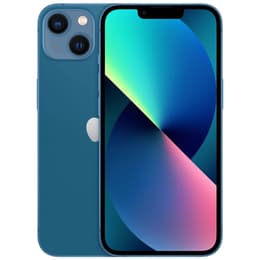
iPhone 13
iPhone 13
Starting at

Refurbished price:£204.00

Versus £599.00 new

See options

Ratings

The Samsung Galaxy S20 5G (2020) and the iPhone 13 (2021) are flagship smartphones from two of the most prominent manufacturers in the industry. While they were released about eighteen months apart, both devices continue to offer reliable performance for modern users. The Galaxy S20 5G runs on the Android operating system, offering a highly customisable interface, whereas the iPhone 13 utilises iOS, known for its streamlined ecosystem and long-term software support. These devices cater to different user preferences regarding display technology, camera versatility, and overall system integration.

Scores

Durability

Software longevity and physical build quality are key factors when considering how long these smartphones will remain functional and secure.

  • Software Support: The iPhone 13, released in 2021, typically receives iOS updates for six to seven years, ensuring it remains current with the latest features and security patches well into the late 2020s. The Galaxy S20 5G, launched in 2020, has a shorter official update window, though it continues to receive critical security maintenance for a significant period.
  • Build and Repairability: Both phones feature glass and metal constructions with high water and dust resistance ratings. The iPhone 13 uses a specialised ceramic-infused glass for improved drop protection, while the Galaxy S20 5G is widely supported by third-party repair services, making screen or battery replacements straightforward for those choosing a quality-assured refurbished option.
  • Practical Lifespan: Users can expect the iPhone 13 to stay relevant longer due to its newer release date and Apple's extended software policy, while the Galaxy S20 5G remains a sturdy choice for those who do not require the very latest operating system version.

Year of Release

2020

2021

Compatible with latest Update

No

Yes

OS

Android

iOS

Foldable

No

No

Performance

Daily tasks like browsing, social media, and multitasking feel fluid on both devices, though they handle resource-heavy applications differently.

  • System Responsiveness: The iPhone 13 is known for its exceptional efficiency, allowing it to launch apps almost instantly and maintain smooth performance even during intensive gaming or video editing. The Galaxy S20 5G provides a snappy experience with its high amount of temporary memory, which helps keep multiple apps open in the background without them restarting.
  • Battery and Charging: In typical daily use, the iPhone 13 often lasts through a full day for moderate users due to its power-efficient internal design. The Galaxy S20 5G features a larger physical battery capacity and supports fast charging via its universal port, which is convenient for users who need to top up their power quickly during the day.
  • Storage Flexibility: The iPhone 13 comes in fixed storage capacities, whereas the Galaxy S20 5G includes a slot for expandable storage, allowing users to add more space for photos and files using a memory card.

Memory (GB)

12 GB

4 GB

Screen quality

While both screens use advanced organic light-emitting diode technology for deep blacks and rich colours, they offer different visual experiences.

  • Motion Smoothness: The Galaxy S20 5G features a high refresh rate of 120Hz, which makes scrolling through lists and animations appear twice as smooth as the standard 60Hz display found on the iPhone 13. This is particularly noticeable when navigating the interface or playing supported games.
  • Clarity and Brightness: The iPhone 13 offers a very bright display that remains easy to read even under direct sunlight, with high pixel density for sharp text. The Galaxy S20 5G provides a slightly higher resolution option, allowing for incredibly fine detail when viewing high-definition photos or videos.
  • Design and Size: Both devices have similar screen sizes, making them comfortable for one-handed use. The Galaxy S20 5G has a small punch-hole for the front camera, while the iPhone 13 features a notch at the top of the screen for its facial recognition sensors.

Resolution

1440 x 3200

1170 x 2532

Screen type

Dynamic AMOLED 2X

Super Retina XDR OLED

Audiovisual

Photography enthusiasts will find distinct advantages in each device's camera array, ranging from zoom capabilities to video stability.

  • Camera Versatility: The Galaxy S20 5G includes a dedicated telephoto lens, which allows for clearer zoomed-in shots of distant subjects compared to the iPhone 13. The iPhone 13 focuses on a dual-camera system that excels in colour accuracy and natural-looking skin tones in various lighting conditions.
  • Video Performance: The iPhone 13 is frequently praised for its video recording stability and a cinematic mode that adds a professional-looking blur to the background of videos. The Galaxy S20 5G supports very high-resolution video recording, providing plenty of detail for those who like to crop their footage later.
  • Audio Experience: Both smartphones lack a traditional headphone jack, requiring wireless headphones or adapters. They both feature stereo speakers that provide clear, balanced sound for watching videos or taking hands-free calls, with the iPhone 13 often noted for having slightly more bass.

Main camera

12 megapixels

12 megapixels

Front camera

10 megapixels

12 megapixels

Miscellaneous

Practical features such as connectivity and biometric security play a significant role in the daily convenience of these smartphones.

  • Biometric Security: The iPhone 13 uses advanced facial recognition technology to unlock the device securely, which works well in most lighting conditions. The Galaxy S20 5G uses an ultrasonic fingerprint sensor built directly into the screen, allowing users to unlock the phone with a touch even while wearing a mask.
  • Connectivity and Ports: Both devices support 5G networks for fast mobile data speeds. The Galaxy S20 5G uses the universal USB-C port for charging and data transfer, while the iPhone 13 uses the proprietary Lightning port, which may require specific cables if you are moving from an Android ecosystem.
  • Portability: These models are relatively lightweight and slim, fitting easily into pockets or small bags. The Galaxy S20 5G is slightly narrower, which some users find makes it easier to grip, while the iPhone 13 has a flat-edge design that provides a more industrial feel.

Weight

163 g

173 g

Width

6,91 cm

7,15 cm

Height

15,17 cm

13,676 cm

Depth

0,79 cm

0,75 cm

Screen size (in)

6.2

6.1

Mobile network

5G

5G

SIM card

Dual Physical SIM

Physical SIM + eSIM

Carrier compatibility

Unlocked

Unlocked

Connector

USB-C

Lightning

Based on user feedback from various tech communities, the iPhone 13 is often lauded for its consistent battery life and the reliability of its software ecosystem. Users appreciate the straightforward nature of iOS and the high-quality video recording. Conversely, the Galaxy S20 5G receives praise for its 120Hz display, which makes the phone feel faster during everyday use, and its flexible storage options. Some users have noted that the Galaxy S20 5G can run warm during intensive tasks, while some iPhone users occasionally miss the higher refresh rate found on other models.

Users who prioritise long-term software updates, video quality, and a simplified user interface will likely find the iPhone 13 to be the better fit for their needs. Those who value a smoother screen experience, the ability to expand their storage, and a more customisable operating system may lean toward the Galaxy S20 5G. Choosing an eco-friendly alternative like a quality-assured refurbished model allows users to access these high-end features while reducing environmental impact. Ultimately, the decision rests on whether you prefer the fluid animations and zoom of the Samsung or the longevity and video prowess of the Apple device.

See all articles

Our recent comparisons