Galaxy S24 FE Vs iPhone 13

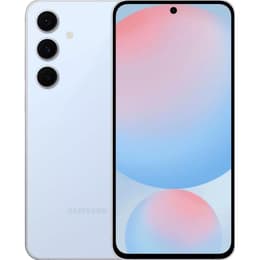
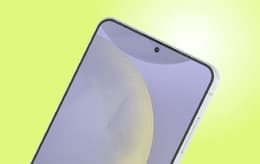
Galaxy S24 FE
Galaxy S24 FE
Starting at

Refurbished price:£250.00

Versus £741.91 new

See options
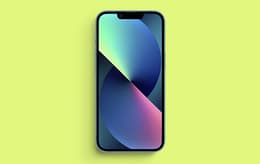
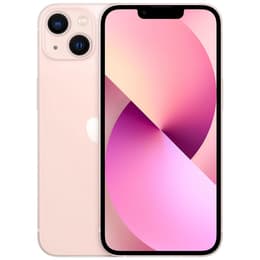
iPhone 13
iPhone 13
Starting at

Refurbished price:£204.00

Versus £599.00 new

See options

Ratings

The Samsung Galaxy S24 FE, released in October 2024, and the Apple iPhone 13, launched in September 2021, represent distinct approaches to smartphone design and functionality. While both devices offer robust performance and capable camera systems, they cater to different user preferences through their respective operating systems and hardware philosophies. The Galaxy S24 FE operates on Android, providing a customizable experience, whereas the iPhone 13 runs on iOS, known for its integrated ecosystem.

Scores

Durability

When considering the long-term usability of a smartphone, software support and physical durability are key factors. The Galaxy S24 FE, being a newer device, benefits from an extended support timeline compared to the iPhone 13.

  • Software Longevity: The Samsung Galaxy S24 FE is projected to receive seven years of operating system and security updates, extending its software support until approximately 2031. In contrast, the iPhone 13, released earlier, is expected to receive major iOS updates until around 2028, with security updates potentially continuing for an additional 18-24 months.
  • Practical Lifespan: Users often find that the practical lifespan of a device extends beyond its official software support, depending on individual usage patterns and the availability of repairs. Both devices are built with durable materials, though the newer Galaxy S24 FE incorporates more recent advancements in material science.
  • Repairability: While specific repairability scores can vary, both manufacturers offer support for repairs. Opting for a quality-assured refurbished option for either model can further extend its life cycle and offer a sustainable choice.

Year of Release

2024

2021

Compatible with latest Update

Yes

Yes

OS

Android

iOS

Foldable

No

No

Performance

The performance of a smartphone is crucial for daily tasks, from navigating applications to engaging in demanding activities like gaming. Both the Galaxy S24 FE and the iPhone 13 deliver responsive experiences, though they achieve this through different hardware configurations.

  • Everyday Responsiveness: The Galaxy S24 FE, powered by its current-generation processor, handles demanding applications and multitasking smoothly, providing a fluid user experience. The iPhone 13, featuring its own optimized chipset, also maintains strong performance, with users reporting no significant speed differences compared to even newer iPhone models for typical daily use.
  • Multitasking and Storage: The Galaxy S24 FE typically comes with 8GB of RAM, which supports efficient multitasking across numerous applications. The iPhone 13 is equipped with 4GB of RAM, but its optimized software allows it to manage background processes effectively. Both devices offer various internal storage options, including 128GB, 256GB, and 512GB, to accommodate user data and applications.
  • Gaming and Demanding Tasks: For graphically intensive games and heavy workloads, the Galaxy S24 FE performs well, though some users have noted it can generate warmth during extended gaming sessions, particularly when using 5G connectivity. The iPhone 13 also handles gaming and intensive applications with ease, benefiting from its powerful processor and efficient thermal management.

Memory (GB)

8 GB

4 GB

Screen quality

The display is a primary interface for smartphone interaction, and both the Galaxy S24 FE and the iPhone 13 offer vibrant and clear viewing experiences, albeit with some key distinctions in their underlying technology and capabilities.

  • Display Technology and Clarity: The Galaxy S24 FE features a 6.7-inch Dynamic AMOLED 2X display, providing rich colors and deep blacks with a resolution of 1080x2340 pixels. The iPhone 13 sports a 6.1-inch Super Retina XDR OLED display, also known for its vibrant colors and excellent contrast, with a resolution of 2532x1170 pixels.
  • Refresh Rate and Smoothness: A notable difference lies in the refresh rate. The Galaxy S24 FE offers a variable refresh rate of 60Hz to 120Hz, contributing to smoother scrolling and more fluid animations. The iPhone 13, by contrast, has a standard 60Hz refresh rate.
  • Brightness and Viewing Experience: Both displays offer high brightness levels for good visibility in various lighting conditions. The Galaxy S24 FE has a peak brightness of 1900 nits, while the iPhone 13 reaches 1200 nits peak brightness for HDR content and 800 nits typical maximum brightness.

Resolution

1080 x 2340

1170 x 2532

Screen type

Dynamic AMOLED 2X

Super Retina XDR OLED

Audiovisual

The camera systems on both the Galaxy S24 FE and the iPhone 13 are designed to capture high-quality images and videos, each with its own strengths and feature sets that cater to different photographic styles.

  • Rear Camera Systems: The Galaxy S24 FE features a versatile triple-camera setup on the rear, including a 50MP wide-angle lens with optical image stabilization (OIS), a 12MP ultrawide lens, and an 8MP telephoto lens offering 3x optical zoom with OIS. The iPhone 13 comes with a dual-camera system, comprising a 12MP wide-angle lens with sensor-shift OIS and a 12MP ultrawide lens. It does not include a dedicated telephoto lens, relying on digital zoom for distant subjects.
  • Photography Performance: The Galaxy S24 FE is praised for its strong daytime photography, good dynamic range, and the flexibility offered by its telephoto lens. However, its ultrawide camera can sometimes produce softer images, and colors can appear saturated. The iPhone 13 is known for its consistent image processing, improved low-light performance compared to its predecessor, and features like Photographic Styles.
  • Video Recording and Front Camera: Both devices are capable of recording 4K video at 60 frames per second. The Galaxy S24 FE can also record 8K video at 30fps with its rear camera. The iPhone 13 introduced Cinematic mode, which allows for a shallow depth of field effect in videos. For selfies, the Galaxy S24 FE has a 10MP front camera, while the iPhone 13 features a 12MP front camera.

Main camera

50 megapixels

12 megapixels

Front camera

10 megapixels

12 megapixels

Miscellaneous

Beyond core performance and camera capabilities, several practical elements contribute to the overall user experience and differentiate these two smartphones.

  • Connectivity and Ports: Both devices support 5G connectivity for fast mobile data. The Galaxy S24 FE features Wi-Fi 6E and Bluetooth 5.3, along with a USB-C 3.2 port for charging and data transfer. The iPhone 13 includes Wi-Fi 6 and Bluetooth 5.0, utilizing Apple's proprietary Lightning port. Both support dual SIM functionality, typically with one physical Nano-SIM and one eSIM.
  • Biometric Security and Design: The Galaxy S24 FE incorporates an optical in-screen fingerprint sensor for secure unlocking. The iPhone 13 relies on Face ID, its facial recognition system, for biometric authentication. In terms of physical design, the Galaxy S24 FE weighs 213g, while the iPhone 13 is lighter at 174g. The Galaxy S24 FE's design is noted to be similar to the S24 Plus, with slightly thicker bezels.
  • Additional Features: The Galaxy S24 FE includes features like Galaxy AI, offering functionalities such as real-time translation and advanced photo editing capabilities. The iPhone 13, while lacking these specific AI features, benefits from the tightly integrated Apple ecosystem and its suite of services.

Weight

213 g

173 g

Width

7.7 cm

7,15 cm

Height

16.2 cm

13,676 cm

Depth

0.8 cm

0,75 cm

Screen size (in)

6.7

6.1

Mobile network

5G

5G

SIM card

Dual Physical SIM

Physical SIM + eSIM

Carrier compatibility

Unlocked

Unlocked

Connector

USB-C

Lightning

Choosing between the Samsung Galaxy S24 FE and the iPhone 13 involves weighing the advantages of a newer Android device against a slightly older, yet still highly capable, iOS experience. User feedback often highlights the Galaxy S24 FE's modern display with a 120Hz refresh rate, its versatile camera system with a dedicated telephoto lens, and its longer software support as significant advantages. Some users appreciate the extensive customization options and the inclusion of AI features on the S24 FE.

Conversely, the iPhone 13 is frequently praised for its consistent performance, reliable camera for point-and-shoot photography, and the robust Apple ecosystem, which is particularly appealing to users already invested in Apple products. Criticisms of the iPhone 13 often center on its 60Hz display and the absence of a telephoto camera compared to newer Android counterparts.

Users prioritizing a smoother visual experience, a more versatile camera with optical zoom, and extended software longevity may find the Galaxy S24 FE better suited to their needs. Those who value a highly integrated ecosystem, consistent performance, and a familiar user interface might lean towards the iPhone 13. Both devices offer a quality experience, and for those seeking an eco-friendly alternative, both models are available as quality-assured refurbished options.

See all articles

Our recent comparisons