iPhone 12 mini Vs iPhone 8 Plus

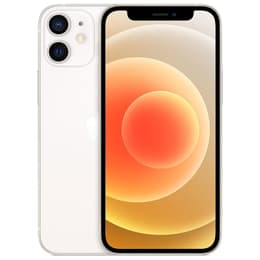
iPhone 12 mini
iPhone 12 mini
Starting at

Refurbished price:£126.00

Versus £579.00 new

See options
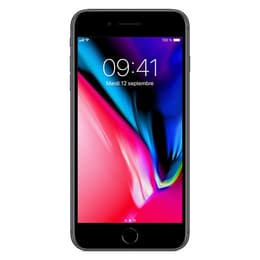
iPhone 8 Plus
iPhone 8 Plus
Starting at

Refurbished price:£82.00

Versus £249.00 new

See options

Ratings

The iPhone 12 Mini (2020) and the iPhone 8 Plus (2017) represent two distinct philosophies in smartphone design from different eras of mobile technology. While the iPhone 8 Plus is one of the final iterations of the classic design featuring a physical home button and a large footprint, the iPhone 12 Mini was introduced as a modern, compact alternative for users who prefer one-handed usability without sacrificing contemporary features.

Both devices run on the iOS operating system, providing a familiar user interface and access to the same ecosystem of applications. However, the three-year gap between their release dates means they offer significantly different experiences in terms of display technology, connectivity, and long-term software compatibility. This comparison explores how these two models handle daily tasks and which user profiles they serve best in the current landscape.

Scores

Durability

The age difference between these two devices plays a significant role in their expected functional lifespan and their ability to receive the latest software features.

  • Software Longevity: The iPhone 12 Mini, being released in 2020, is positioned to receive official software updates for several years longer than the iPhone 8 Plus. Users who prioritise having the latest security patches and system features will find the newer model more aligned with their needs, as the iPhone 8 Plus is approaching the end of its official support cycle from the manufacturer.
  • Build Durability: The iPhone 12 Mini features a Ceramic Shield front cover, which provides improved drop protection compared to the standard strengthened glass found on the iPhone 8 Plus. Both devices utilise an aluminium and glass construction, but the 12 Mini offers higher water and dust resistance ratings, making it more resilient against accidental submersions or exposure to the elements.
  • Repairability: Both models are well-understood by technicians, though the iPhone 8 Plus is often noted for its straightforward screen and battery replacement processes. The iPhone 12 Mini involves more intricate internal components due to its compact size, but parts remain widely available for those looking to extend the life of their device through maintenance.

Year of Release

2020

2017

Compatible with latest Update

Yes

No

OS

iOS

iOS

Foldable

No

No

Performance

While both smartphones are capable of handling standard daily activities, the internal hardware of the iPhone 12 Mini provides a more responsive experience for demanding tasks.

  • System Responsiveness: The iPhone 12 Mini handles modern applications, high-definition video editing, and multitasking with greater ease than the iPhone 8 Plus. Users will notice faster app launch times and smoother transitions between open programmes on the newer model, whereas the older architecture of the 8 Plus may show signs of slowing down when running the latest, most resource-intensive software.
  • Battery Behaviour: The iPhone 8 Plus houses a physically larger battery, which provides consistent performance for users who engage in long periods of media playback or browsing. In contrast, the iPhone 12 Mini uses a smaller battery designed for its compact frame; while it is efficient for everyday use, heavy users may find themselves needing to charge the device sooner than they would with the larger 8 Plus model.
  • Multitasking Capabilities: With more modern internal memory management, the iPhone 12 Mini is better equipped to keep multiple apps active in the background. This allows for a more seamless experience when switching between a navigation app, a music player, and social media, whereas the iPhone 8 Plus may occasionally need to reload apps more frequently during heavy use.

Memory (GB)

4 GB

3 GB

Screen quality

The viewing experience differs greatly between these models, moving from traditional LCD technology to a more advanced OLED system.

  • Display Technology: The iPhone 12 Mini utilises an OLED display, which offers deep blacks and a high contrast ratio, making images and videos appear more vibrant. The iPhone 8 Plus uses a Retina LCD, which provides natural colour reproduction and excellent viewing angles but lacks the true black levels and energy efficiency found in the newer OLED panels.
  • Clarity and Resolution: Despite its smaller physical size, the iPhone 12 Mini has a higher pixel density, resulting in sharper text and finer detail when viewing photos or documents. The iPhone 8 Plus offers a large 5.5-inch canvas that is well-suited for users who prefer larger text and icons, though it does not reach the same level of sharpness as the Mini's display.
  • Outdoor Visibility: The iPhone 12 Mini is capable of reaching higher peak brightness levels, which improves legibility when using the phone in direct sunlight. While the iPhone 8 Plus remains functional outdoors, users may find themselves seeking shade or shielding the screen more often to see content clearly in bright environments.

Resolution

1080 x 2340

1080 x 1920

Screen type

Super Retina XDR OLED

Retina IPS LCD

Audiovisual

Photography enthusiasts will find that these two devices offer different strengths, particularly regarding lens selection and low-light processing.

  • Lens Configuration: The iPhone 8 Plus features a dual-camera system with a dedicated telephoto lens, allowing for 2x optical zoom which is useful for portraits and capturing distant subjects. The iPhone 12 Mini instead opts for an ultra-wide lens, which is better suited for expansive landscapes, architectural shots, and fitting more people into a single frame.
  • Low-Light Performance: A major differentiator is the inclusion of a dedicated Night Mode on the iPhone 12 Mini. This feature allows the device to capture clear, detailed photos in very dark environments where the iPhone 8 Plus would typically produce grainy or dark images. Users who frequently take photos at evening events or indoors will notice a significant difference in quality.
  • Video and Audio: The iPhone 12 Mini supports more advanced video recording formats, including improved dynamic range and better stabilisation for smoother handheld footage. Both devices feature stereo speakers, but the 12 Mini provides a wider soundstage and more immersive audio for watching films or listening to podcasts without headphones.

Main camera

12 megapixels

12 megapixels

Front camera

12 megapixels

7 megapixels

Miscellaneous

Practical considerations such as connectivity and physical handling are key factors in choosing between these two distinct form factors.

  • Connectivity Standards: The iPhone 12 Mini supports 5G networks, providing access to faster mobile data speeds and better performance in crowded areas where 5G infrastructure is available. The iPhone 8 Plus is limited to 4G LTE, which remains reliable for most tasks but lacks the future-readiness of the newer cellular technology.
  • Biometric Security: Users must choose between the classic Touch ID fingerprint sensor on the iPhone 8 Plus and the Face ID facial recognition system on the iPhone 12 Mini. Touch ID is often preferred by those who like a physical button, while Face ID offers a more seamless, hands-free unlocking experience that works across various apps and for secure payments.
  • Portability and Handling: The iPhone 12 Mini is significantly lighter and smaller, making it one of the most portable smartphones available. It is ideal for users with smaller hands or those who want a device that disappears into a pocket. The iPhone 8 Plus is much larger and heavier, requiring two-handed use for many tasks but offering a more substantial feel that some users find more secure.

Weight

135 g

202 g

Screen size (in)

5.4

5.5

Mobile network

5G

4G

SIM card

Physical SIM + eSIM

Physical SIM

Carrier compatibility

Unlocked

Unlocked

Connector

Lightning

Lightning

In summary, the choice between the iPhone 12 Mini and the iPhone 8 Plus depends largely on a user's preference for size and their need for modern features. Based on community discussions and user feedback, the iPhone 8 Plus remains a favourite for those who appreciate the tactile feedback of the Home button and the reliability of Touch ID. It is often praised for its sturdy build and the familiarity of its design. Conversely, the iPhone 12 Mini is highly regarded by users who have long sought a powerful device that can be easily operated with one hand, with many noting that its screen quality and camera capabilities are a significant step forward.

Users who prioritise a large screen for reading, a physical home button, and optical zoom for portraits may find the iPhone 8 Plus to be a suitable companion. Meanwhile, those who value a compact design, 5G connectivity, and superior low-light photography will likely lean toward the iPhone 12 Mini. Both models are available as quality-assured refurbished options, providing a sustainable choice for those looking to reduce their environmental impact while obtaining a reliable smartphone. Choosing a refurbished device is an eco-friendly alternative that extends the lifecycle of these well-engineered products. Ultimately, both devices offer the core iOS experience, allowing users to select the hardware profile that best fits their daily routine and ergonomic preferences.

See all articles

Our recent comparisons