iPhones
Compare models
Differences at a glance
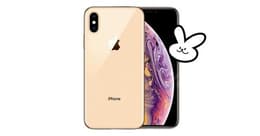
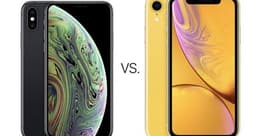
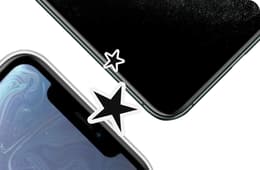
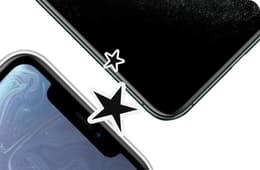
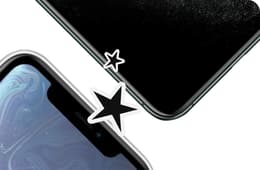
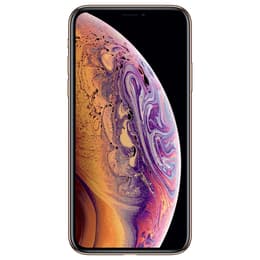
The iPhone 8 Plus, released in September 2017, and the iPhone Xs, launched in September 2018, represent two distinct eras in Apple's smartphone evolution. While both offer a premium experience, the iPhone Xs introduced a significant design overhaul and advanced display technology, alongside internal hardware improvements. Both devices operate on Apple's iOS platform, ensuring a consistent software experience, though their hardware capabilities lead to different user experiences.
Colour
Storage (GB)
When considering the longevity of these devices, their release dates and subsequent software support are key factors.
Year of Release
Compatible with latest Update
OS
Foldable
The performance of a smartphone is crucial for daily tasks, from app usage to multitasking. These two models offer different levels of processing power and memory configurations.
The display is a primary interface for any smartphone, and these two iPhones offer distinct viewing experiences.
Resolution
Screen type
Both iPhones feature dual-camera systems, but the iPhone Xs introduces advancements in image processing and sensor technology.
Main camera
Front camera
Beyond core features, several practical elements differentiate the iPhone 8 Plus and iPhone Xs, impacting daily usability.
Weight
Screen size (in)
Mobile network
SIM card
Carrier compatibility
Connector
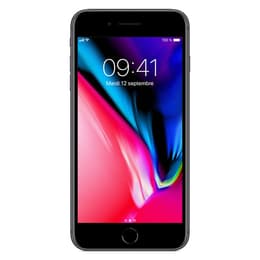
The iPhone 8 Plus and iPhone Xs cater to slightly different user preferences, primarily due to their design philosophies and technological advancements. Users often praise the iPhone 8 Plus for its familiar home button and Touch ID, which some find more convenient than facial recognition. Its larger form factor is also appreciated by those who prefer a more substantial device with a traditional display aspect ratio. Criticisms sometimes point to its aging design and the limitations of its LCD screen compared to newer technologies.
The iPhone Xs, on the other hand, is frequently lauded for its modern, all-screen design, vibrant OLED display, and the advanced capabilities of Face ID. Its improved camera system, particularly in challenging lighting, and enhanced processing power are also common points of praise. Some users, however, might find the absence of a home button and the notch design to be a significant adjustment.
Users prioritizing a traditional iPhone experience with a physical home button and a larger, but conventional, LCD display may find the iPhone 8 Plus well-suited to their needs. It remains a capable device for everyday tasks and offers a familiar interface. Conversely, users who value a more modern aesthetic, a superior display for media consumption, enhanced camera features, and a longer software support window will likely lean towards the iPhone Xs. Its compact size, despite a larger screen, also appeals to those seeking a more immersive viewing experience in a hand-friendly form factor. Both models, when acquired as quality-assured refurbished options, present an eco-friendly alternative for consumers.