Galaxy Z Fold6 Vs Sony Xperia 5 IV

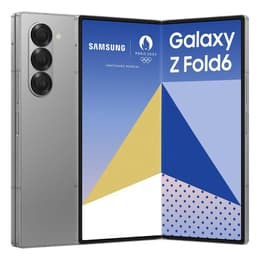
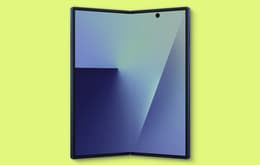
Galaxy Z Fold6
Galaxy Z Fold6
Starting at

Refurbished price:£524.00

Versus £1,685.59 new

See options
Sony Xperia 5 IV
Sony Xperia 5 IV
Starting at

Refurbished price:£299.00

Versus £1,199.00 new

See options

Ratings

The Samsung Galaxy Z Fold6, released in July 2024, and the Sony Xperia 5 IV, launched in September 2022, represent distinct approaches to smartphone design and functionality. The Galaxy Z Fold6 offers a unique foldable form factor that transforms from a compact smartphone into a larger tablet-like display, while the Xperia 5 IV maintains a traditional, compact slab design. These devices cater to different user priorities, with the Fold6 emphasizing screen real estate and multitasking, and the Xperia 5 IV focusing on a premium, pocketable experience with advanced multimedia capabilities.

Scores

Durability

The expected practical lifespan of a smartphone is influenced by its physical durability and the duration of software support it receives. These two devices, released nearly two years apart, offer different longevity prospects.

  • Software Support: The Galaxy Z Fold6 benefits from a more extended software commitment, with Samsung promising seven years of operating system and security updates from its 2024 release. In contrast, the Sony Xperia 5 IV, released in 2022, typically receives fewer major Android updates, often around two, and security updates for approximately three to four years. This difference means the Fold6 will remain current with the latest features and security patches for a significantly longer period.
  • Physical Durability: The Galaxy Z Fold6 features a foldable design with an improved hinge and an IP48 rating, indicating resistance to both dust and water. Its cover screen and back panel are protected by Corning Gorilla Glass Victus 2, and it uses an Armor Aluminum frame. The Xperia 5 IV, with its traditional design, boasts IP65/IP68 water and dust resistance and Corning Gorilla Glass Victus on both its front and back, offering robust protection for a non-folding device.
  • Repairability: While both devices are complex, the foldable nature of the Z Fold6 introduces unique repair considerations for its internal display and hinge mechanism. The Xperia 5 IV, with its more conventional construction, may present a more straightforward repair process for common component replacements.

Year of Release

2024

2022

Compatible with latest Update

Yes

No

OS

Android

Android

Foldable

Yes

No

Performance

Performance is a key differentiator, largely due to the difference in release dates and the underlying hardware. The Galaxy Z Fold6, being a newer device, incorporates more recent advancements in processing power.

  • Processing Power: The Galaxy Z Fold6 is equipped with a current-generation processor, enabling it to handle demanding applications, intensive multitasking, and graphic-heavy games with smooth responsiveness. The Xperia 5 IV, while still capable, uses a processor from 2022, which provides a snappy experience for everyday tasks but may exhibit thermal throttling during prolonged high-performance activities like extended camera use or intense gaming sessions.
  • Multitasking and Storage: The Galaxy Z Fold6 comes with 12GB of RAM, supporting seamless transitions between numerous open applications, which is particularly beneficial given its large internal display. It offers storage options up to 1TB, though it lacks a microSD card slot. The Xperia 5 IV features 8GB of RAM and offers 128GB or 256GB of internal storage, with the added flexibility of a microSDXC card slot for expandable storage up to 1TB.
  • Battery Behavior: The Galaxy Z Fold6 houses a 4400 mAh battery, designed to power its dual displays and advanced features, typically providing about 1.5 days of use. The Xperia 5 IV includes a 5000 mAh battery, and users often report solid battery life, with some achieving up to two days of use, especially with moderate usage.

Memory (GB)

12 GB

8 GB

Screen quality

The display experience on these two smartphones varies significantly, primarily due to their fundamental design philosophies.

  • Display Technology and Size: The Galaxy Z Fold6 features two Dynamic AMOLED 2X displays: a 7.6-inch main foldable screen and a 6.3-inch cover screen. This allows for a versatile viewing experience, offering a large canvas for productivity and media consumption when unfolded, and a more traditional smartphone experience when closed. The Xperia 5 IV sports a single 6.1-inch FHD+ HDR OLED display with a 21:9 aspect ratio, known for its cinematic viewing experience in a compact form factor.
  • Resolution and Brightness: Both devices offer vibrant visuals. The Z Fold6's main display has a resolution of 2160 x 1856 pixels, and its cover screen is 2376 x 968 pixels. Both screens achieve a peak brightness of 2600 nits, ensuring excellent visibility even in bright outdoor conditions. The Xperia 5 IV's display has a resolution of 2520 x 1080 pixels and can reach over 1000 nits of peak brightness, providing clear and accurate colors.
  • Refresh Rate and Smoothness: Both the main and cover displays of the Galaxy Z Fold6 feature an adaptive 120Hz refresh rate, contributing to smooth scrolling and fluid animations. The Xperia 5 IV also offers a 120Hz refresh rate, providing a responsive and smooth visual experience for its users.

Resolution

1856 x 2160

1080 x 2520

Screen type

Foldable Dynamic LTPO AMOLED 2X

OLED

Audiovisual

Both smartphones offer capable camera systems, but they approach photography and videography with different strengths and user experiences.

  • Rear Camera Systems: The Galaxy Z Fold6 features a versatile triple-camera setup on its rear, including a 50MP wide-angle lens with optical image stabilization (OIS), a 12MP ultra-wide lens, and a 10MP telephoto lens with 3x optical zoom and OIS. The Xperia 5 IV also has a triple 12MP rear camera system, comprising a 24mm wide-angle lens (f/1.7, OIS), a 16mm ultrawide lens, and a 60mm telephoto lens offering 2.5x optical zoom with OIS.
  • Photography and Video Features: The Z Fold6 integrates Samsung's ProVisual Engine, an AI-based image processing system designed to enhance photo quality across various lighting conditions. The Xperia 5 IV is known for its advanced manual controls through its Photography Pro and Cinematography Pro apps, appealing to users who prefer fine-tuning their shots. It also supports 4K HDR video recording at up to 120 frames per second.
  • Front Cameras and Audio: For selfies and video calls, the Z Fold6 includes a 10MP cover camera and a 4MP under-display camera on its main screen. The Xperia 5 IV features a 12MP front camera. In terms of audio, the Xperia 5 IV stands out with front-facing stereo speakers and a 3.5mm headphone jack, catering to audiophiles and content creators.

Main camera

50 megapixels

12 megapixels

Front camera

4 megapixels

12 megapixels

Miscellaneous

Beyond core specifications, several practical elements contribute to the overall user experience and differentiate these two devices.

  • Connectivity and Ports: The Galaxy Z Fold6 supports 5G, Wi-Fi 6E, and Bluetooth 5.3, utilizing a USB-C 3.2 port for charging and data transfer. The Xperia 5 IV also offers 5G, Wi-Fi 6E, and Bluetooth 5.2, with a USB-C 3.2 port. A notable inclusion on the Xperia 5 IV is a 3.5mm headphone jack, which is absent on the Fold6.
  • Biometric Security and Input: Both devices feature a side-mounted fingerprint sensor for secure unlocking. The Z Fold6 also offers Face Unlock and supports S Pen input, though the stylus is sold separately. The Xperia 5 IV does not support stylus input.
  • Design and Handling: The Galaxy Z Fold6, with its foldable design, weighs 239 grams and has dimensions of 153.5 x 68.1 x 12.1 mm when folded, expanding to 153.5 x 132.6 x 5.6 mm when unfolded. This allows for a larger screen experience in a device that can still be carried in a pocket. The Xperia 5 IV is a more compact and lighter device at 172 grams, with dimensions of 156 x 67 x 8.2 mm, making it easier for one-handed use.

Weight

239 g

172 g

Screen size (in)

7.6

6,1

Mobile network

5G

5G

SIM card

Dual Physical SIM + eSIM

Physical SIM + eSIM

Carrier compatibility

Unlocked

Unlocked

The Samsung Galaxy Z Fold6 and the Sony Xperia 5 IV cater to distinct user preferences, offering different strengths in their design and capabilities. User sentiment for the Galaxy Z Fold6 often highlights its innovative foldable display, which provides a versatile platform for multitasking and immersive media consumption. Users appreciate the larger screen real estate for productivity and the continuous software support. Some common discussions around the Fold6 include the visibility of the screen crease, though it is becoming less noticeable with each generation, and its overall weight compared to traditional smartphones.

The Sony Xperia 5 IV is frequently praised by users for its compact form factor, excellent battery life, and the inclusion of a 3.5mm headphone jack and expandable storage, features that are increasingly rare in modern flagships. Its camera system, with its professional-grade manual controls, also receives positive remarks from photography enthusiasts. However, some users have noted concerns regarding thermal management during intensive tasks and Sony's update policy, which offers fewer major OS updates compared to some competitors.

Users prioritizing a large, adaptable screen for productivity, content creation, and immersive viewing experiences may find the Galaxy Z Fold6 well-suited to their needs. Its extended software support also appeals to those seeking long-term device longevity. Conversely, individuals who value a compact, traditional smartphone design with strong battery life, a dedicated headphone jack, expandable storage, and advanced manual camera controls will likely lean towards the Sony Xperia 5 IV. Both devices offer compelling experiences, and choosing between them depends on whether a user prioritizes a cutting-edge foldable form factor or a refined, compact multimedia powerhouse. For those considering either device, exploring quality-assured refurbished options can provide an eco-friendly alternative.

See all articles

Our recent comparisons