iPhone 12 Vs Sony Xperia 5 IV

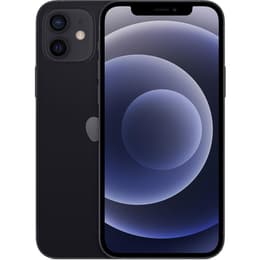
iPhone 12
iPhone 12
Starting at

Refurbished price:£139.00

Versus £649.00 new

See options
Sony Xperia 5 IV
Sony Xperia 5 IV
Starting at

Refurbished price:£299.00

Versus £1,199.00 new

See options

Ratings

The iPhone 12, launched in late 2020, and the Sony Xperia 5 IV, released in 2022, represent two distinct philosophies in the smartphone market. While the iPhone 12 remains a staple of the iOS ecosystem with its balanced features and iconic design, the Xperia 5 IV offers a specialized Android experience tailored toward multimedia enthusiasts and those who prefer a unique form factor. Both devices run on their respective modern operating systems, with the iPhone 12 utilizing Apple's integrated software and the Sony model offering a near-standard Android interface with specialized media applications.

Choosing between these two smartphones involves weighing the long-term software reliability of Apple against the hardware versatility and more recent release date of the Sony model. Despite their age difference, both devices cater to users who prefer a more manageable, compact size compared to the larger "plus" or "ultra" handsets that dominate the current market. This comparison explores how these two devices stack up in real-world usage to help you decide which fits your lifestyle.

Scores

Durability

The two devices offer different expectations regarding how long they will remain functional and up-to-date with the latest software features and security patches.

  • Software support timeline: The iPhone 12 benefits from Apple's historically long-term update policy, typically providing six to seven years of system updates from the release date. In contrast, the Xperia 5 IV, despite being two years newer, follows a shorter update cycle common to many Android manufacturers, which may impact its long-term software relevance.
  • Physical resilience: Both phones feature high-grade glass and metal construction with high water and dust resistance ratings. The iPhone 12 uses a specific glass treatment designed to withstand drops, while the Sony model maintains a sturdy build that feels robust in daily use.
  • Repair accessibility: Finding replacement parts or professional service for the iPhone 12 is generally straightforward due to its widespread popularity. The Xperia 5 IV is a more niche device, meaning that while it is well-built, finding local technicians with specific Sony parts in stock might require more effort.

Year of Release

2020

2022

Compatible with latest Update

Yes

No

OS

iOS

Android

Foldable

No

No

Performance

Daily tasks like browsing, social media, and switching between multiple apps feel fluid on both devices, though they manage system resources and power differently.

  • Multitasking and memory: The Xperia 5 IV includes a higher amount of temporary memory (RAM), which helps keep more apps open in the background without them restarting. The iPhone 12 uses efficient software management to maintain a responsive feel even with less hardware memory, ensuring smooth transitions between tasks.
  • Battery endurance: Users will find that the Xperia 5 IV carries a significantly larger battery capacity, which often allows it to last through a full day of heavy use. The iPhone 12 features a smaller battery that is highly efficient for light tasks but may require more frequent charging for users who spend a lot of time on video calls or navigation.
  • Storage flexibility: While the iPhone 12 relies on fixed internal storage options that cannot be changed after purchase, the Xperia 5 IV provides a slot for memory expansion. This allows users to add more space for photos, music, and files using a standard memory card.

Memory (GB)

4 GB

8 GB

Screen quality

The viewing experience differs primarily in shape and smoothness, with each screen suited to different types of digital content consumption.

  • Display technology and smoothness: The Xperia 5 IV features a high refresh rate, making scrolling through news feeds and system animations appear much smoother than the standard refresh rate found on the iPhone 12. Both use OLED technology, which provides deep blacks and vibrant colors for a high-quality visual experience.
  • Aspect ratio and dimensions: Sony utilizes a unique, tall 21:9 screen ratio that is ideal for watching cinematic films without black bars and for viewing two apps at once. The iPhone 12 uses a more traditional wide ratio that feels familiar for most apps, web browsing, and standard video content.
  • Visual clarity and brightness: Both devices offer excellent clarity for typical viewing distances and are bright enough to be used comfortably in outdoor environments. The iPhone 12 provides a very balanced color profile, while the Sony screen offers various manual adjustments for users who want to customize their visual settings.

Resolution

1170 x 2532

1080 x 2520

Screen type

Super Retina XDR OLED

OLED

Audiovisual

Photography and media playback are areas where these two smartphones diverge significantly in terms of user control and hardware features.

  • Camera versatility: The Xperia 5 IV includes a dedicated telephoto lens for zooming into distant subjects, a feature the iPhone 12 lacks. The iPhone 12 focuses on a dual-lens setup consisting of a standard wide and an ultra-wide lens, which is sufficient for most everyday photography needs.
  • Audio features: For those who prefer wired headphones, the Xperia 5 IV retains a traditional headphone jack and features front-firing speakers for a balanced sound. The iPhone 12 requires adapters for wired audio and uses a combination of bottom and front speakers for media playback.
  • Video and capture tools: The iPhone 12 is often praised for its "point-and-shoot" simplicity and consistent video quality across different lighting conditions. The Sony device offers specialized apps and a dedicated physical shutter button, catering to users who want to fine-tune their photographic settings manually.

Main camera

12 megapixels

12 megapixels

Front camera

12 megapixels

12 megapixels

Miscellaneous

Beyond the core specifications, the physical handling and connectivity options define the everyday ergonomics and utility of these two smartphones.

  • Biometric security: The iPhone 12 utilizes facial recognition technology for unlocking the device and authorizing payments, which is integrated into the screen notch. The Xperia 5 IV uses a fingerprint sensor built into the power button on the side, allowing for quick access while holding the phone.
  • Charging and ports: The iPhone 12 uses a proprietary Lightning port and supports magnetic wireless charging for easy accessory attachment. The Xperia 5 IV uses the universal USB-C standard for charging and data transfer, which is compatible with most modern laptop and tablet chargers.
  • Handling and weight: Because the Xperia 5 IV is narrower, it is often easier to grip and use with one hand. The iPhone 12 is wider but slightly thinner, offering a different feel in the pocket and a more traditional flat-edged grip that many users find secure.

Weight

164 g

172 g

Screen size (in)

6.1

6,1

Mobile network

5G

5G

SIM card

Physical SIM + eSIM

Physical SIM + eSIM

Carrier compatibility

Unlocked

Unlocked

Connector

Lightning

USB-C + Jack 3.5mm

User feedback from various tech communities highlights the distinct strengths of both devices. iPhone 12 owners frequently mention the reliability of the software and the ease of use as primary reasons for their satisfaction. However, some users note that the battery life can be a limitation for long days away from a power source. On the other hand, Sony Xperia 5 IV users often celebrate the inclusion of the headphone jack and the expandable storage, though some have pointed out that the device can become warm during intensive tasks like high-resolution video recording.

Users who prioritize a seamless software experience, long-term update support, and a wide range of available accessories will likely find the iPhone 12 to be a dependable choice. Conversely, those who value hardware features like a dedicated camera button, expandable storage, and a high-refresh-rate screen for media consumption may lean toward the Sony Xperia 5 IV. For those looking to make a sustainable choice, opting for a quality-assured refurbished option is an excellent way to get these features while reducing environmental impact. Ultimately, both smartphones remain capable devices in 2026, and choosing an eco-friendly alternative like a refurbished model ensures that these high-quality electronics continue to serve users effectively without the need for new manufacturing.
See all articles

Our recent comparisons