
Galaxy S10 Vs iPhone 8

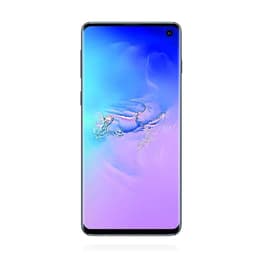
Galaxy S10
Galaxy S10
Starting at

Refurbished price:£108.00

Versus £639.00 new

See options
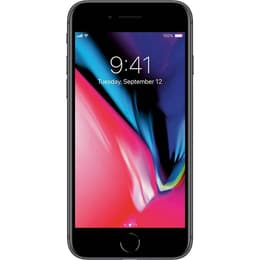
iPhone 8
iPhone 8
Starting at

Refurbished price:£69.00

Versus £249.00 new

See options

Ratings

The Samsung Galaxy S10, released in 2019, and the Apple iPhone 8, launched in 2017, represent two different eras of smartphone design and philosophy. While the Galaxy S10 arrived as a modern flagship with an expansive edge-to-edge display and multiple camera lenses, the iPhone 8 remains one of the last classic designs from Apple, featuring a physical home button and a more compact form factor. These devices cater to different user preferences, particularly regarding the choice between the customisable Android operating system and the streamlined, integrated iOS ecosystem.

Choosing between these two models involves weighing the benefits of a larger, more immersive screen against the simplicity and portability of a traditional smartphone layout. Both devices continue to serve as functional tools for daily communication, web browsing, and social media, though they offer distinct experiences in terms of hardware capabilities and software longevity. This comparison explores the practical differences that matter most to everyday users evaluating these two smartphones today.

Scores

Durability

When considering how long these devices will remain functional and relevant, the primary factors are software support cycles and the physical robustness of their designs.

  • Software Longevity: The iPhone 8 received official software updates for many years, reaching its final major version with iOS 16, which ensures compatibility with most modern applications for the near future. The Galaxy S10 typically receives three years of major Android updates and additional security patches, meaning it remains functional on Android 12, though it will not receive the latest system-wide features found in newer models.
  • Physical Durability and Repair: Both smartphones feature glass front and back panels with metal frames, requiring protective cases to prevent damage from drops. The iPhone 8 is often noted for its straightforward internal layout, making battery replacements relatively simple for technicians, while the Galaxy S10 uses more internal adhesive, which can make repairs slightly more complex but still manageable for professional services.
  • Hardware Resilience: The Galaxy S10 includes more modern internal components that may handle evolving app requirements slightly better over time, whereas the iPhone 8 relies on its highly efficient software integration to maintain a smooth experience despite its older hardware architecture.

Year of Release

2019

2017

Compatible with latest Update

No

No

OS

Android

iOS

Foldable

No

No

Performance

Performance in daily use is defined by how quickly apps open, how smoothly the interface responds to touch, and how well the battery lasts through a standard day.

  • Multitasking and Memory: The Galaxy S10 is equipped with a significant amount of temporary memory, allowing it to keep multiple demanding apps open in the background without needing to reload them frequently. In contrast, the iPhone 8 uses a more conservative amount of memory but compensates with a highly optimised operating system that prioritises the active task to maintain a fluid user experience.
  • Storage Flexibility: Users with large libraries of photos or offline videos will find the Galaxy S10 versatile, as it includes a slot for expandable storage cards, allowing for easy capacity increases. The iPhone 8 comes with fixed internal storage options, meaning users must rely on cloud services or manage their files more closely if they choose a lower-capacity model.
  • Battery Endurance: In real-world scenarios, the Galaxy S10 generally offers more stamina for media consumption and browsing due to its larger physical battery capacity. The iPhone 8, being a much smaller device, has a smaller battery that typically requires a mid-day charge for heavy users, though it remains efficient for light tasks like messaging and calls.

Memory (GB)

8 GB

2 GB

Screen quality

The display is perhaps the most noticeable difference between these two smartphones, affecting everything from reading text to watching videos.

  • Display Technology: The Galaxy S10 features an advanced organic light-emitting diode (OLED) screen that produces deep blacks and high contrast, making it excellent for watching films or viewing photos. The iPhone 8 uses a traditional liquid crystal display (LCD) which provides natural colours and good visibility, though it lacks the vibrant punch and true black levels found on the Samsung model.
  • Screen Real Estate: With its edge-to-edge design and a small cutout for the front camera, the Galaxy S10 provides a much larger viewing area within a body that is only slightly larger than its competitor. The iPhone 8 retains significant borders at the top and bottom of the screen, resulting in a much smaller 4.7-inch display that is easier to navigate with one hand but less immersive for media.
  • Resolution and Sharpness: The Galaxy S10 offers a very high pixel density, resulting in incredibly sharp text and fine details that are visible even when holding the phone close. The iPhone 8 provides a clear and crisp image that meets the standard for comfortable daily viewing, though the difference in clarity is noticeable when comparing the two side-by-side during high-definition video playback.

Resolution

1440 x 3040

750 x 1334

Screen type

Dynamic AMOLED

Retina IPS LCD

Audiovisual

Photography capabilities have evolved significantly between the release of these two models, particularly regarding the number of perspectives available to the user.

  • Lens Versatility: The Galaxy S10 features a triple-camera system on the rear, including a standard wide lens, a telephoto lens for zooming, and an ultra-wide lens for capturing expansive landscapes or group shots. The iPhone 8 is equipped with a single reliable rear camera that takes high-quality photos in good lighting but lacks the optical zoom and wide-angle flexibility of the Samsung.
  • Low-Light Performance: For evening shots or indoor environments, the Galaxy S10 utilises software processing and a wider aperture to pull in more light, resulting in clearer images with less grain. The iPhone 8 performs admirably in daylight, but users may notice more digital noise and less detail when taking photos in dimly lit settings.
  • Video and Audio Capture: Both devices are capable of recording high-definition video with effective stabilisation to reduce shakiness while walking. The Galaxy S10 offers slightly more advanced microphone settings for recording video, while the iPhone 8 is praised by users for its consistent colour accuracy and smooth video transitions during recording.

Main camera

12 megapixels

12 megapixels

Front camera

10 megapixels

7 megapixels

Miscellaneous

Beyond the core specifications, several practical features influence the daily handling and convenience of these two smartphones.

  • Biometric Security: The iPhone 8 uses a traditional fingerprint sensor built into the physical home button, which many users find tactile and reliable. The Galaxy S10 introduces an ultrasonic fingerprint sensor hidden beneath the display glass, providing a more futuristic feel, though it may require more precise finger placement than the physical button on the iPhone.
  • Connectivity and Ports: The Galaxy S10 includes a standard USB-C port for charging and data transfer, and it is one of the last flagship devices to retain a dedicated headphone jack, allowing for the use of wired headphones without an adapter. The iPhone 8 uses the proprietary Lightning port and requires an adapter or wireless Bluetooth headphones for audio.
  • Size and Portability: The iPhone 8 is significantly smaller and lighter, making it a preferred choice for users who want a device that fits easily into small pockets and can be operated entirely with one thumb. The Galaxy S10 is larger but remains relatively slim and light, balancing a big-screen experience with a manageable physical footprint.

Weight

175 g

148 g

Screen size (in)

6.1

4.7

Mobile network

4G

4G

SIM card

Physical SIM

Physical SIM

Carrier compatibility

Unlocked

Unlocked

Connector

USB-C + Jack 3.5mm

Lightning

In summary, the choice between the Galaxy S10 and the iPhone 8 depends largely on whether a user prioritises modern display technology or classic, compact simplicity. Based on community discussions and user feedback, the Galaxy S10 is frequently praised for its stunning OLED screen and the versatility of its triple-camera system, which many feel makes it look and feel like a much newer device. However, some users note that the battery life can diminish over time and the curved screen edges can occasionally lead to accidental touches.

The iPhone 8 is often celebrated for its enduring reliability and the familiarity of the home button. Users who prefer a smaller phone that is easy to use with one hand often gravitate toward this model, though the dated design and smaller screen are common points of criticism for those who consume a lot of video content. Consensus suggests that the iPhone 8 remains a solid choice for basic tasks, while the Galaxy S10 is better suited for those who want a more feature-rich multimedia experience.

Users who prioritise a large, vibrant display and camera variety may prefer the Galaxy S10, while those who value a compact design and a straightforward operating system may lean toward the iPhone 8. Choosing a quality-assured refurbished option allows users to access these features while supporting a circular economy. Opting for these devices as an eco-friendly alternative helps reduce electronic waste while providing a capable smartphone experience for everyday needs.

See all articles

Our recent comparisons