Galaxy S21 FE 5G Vs iPhone 13 Pro

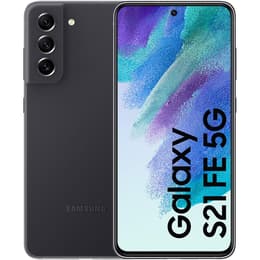
Galaxy S21 FE 5G
Galaxy S21 FE 5G
Starting at

Refurbished price:£122.00

Versus £759.00 new

See options
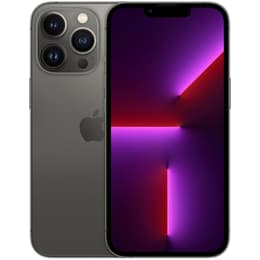
iPhone 13 Pro
iPhone 13 Pro
Starting at

Refurbished price:£232.00

Versus £949.00 new

See options

Ratings

The Samsung Galaxy S21 FE 5G, released in January 2022, and the iPhone 13 Pro, launched in September 2021, are both capable smartphones from their respective ecosystems. While the Galaxy S21 FE offers a larger display and a versatile camera system within the Android operating system, the iPhone 13 Pro provides a premium build, a powerful processor, and a highly optimized iOS experience. Both devices cater to users seeking advanced features and reliable performance.

Scores

Durability

When considering the long-term usability of these devices, their release timelines and software support policies are key factors.

  • Release Timeline: The iPhone 13 Pro was released in September 2021, making it slightly older than the Galaxy S21 FE 5G, which launched in January 2022. This difference in release dates can influence the duration of future software support.
  • Software Longevity: Apple typically provides iOS updates for 5-7 years from a device's release, meaning the iPhone 13 Pro is expected to receive updates until at least 2027, and potentially until 2028. The Galaxy S21 FE 5G, launching with Android 12, is expected to receive four major Android OS upgrades, extending its support to Android 16, and security updates until at least January 2027.
  • Practical Lifespan: Both phones are built with durable materials and are IP68 rated for dust and water resistance, suggesting they can withstand daily use. The practical lifespan for either device will largely depend on individual usage patterns and care, but both offer several years of expected functionality and software relevance.

Year of Release

2022

2021

Compatible with latest Update

Yes

Yes

OS

Android

iOS

Foldable

No

No

Performance

Both the Galaxy S21 FE 5G and the iPhone 13 Pro deliver strong performance for everyday tasks and demanding applications, though they achieve this through different hardware and software optimizations.

  • Processor Capabilities: The iPhone 13 Pro features a highly efficient processor that handles demanding apps, complex multitasking, and graphic-intensive games with smooth responsiveness. The Galaxy S21 FE 5G is equipped with a capable processor that ensures smooth operation for most applications and provides a fluid user experience, though some users have noted it can throttle under sustained heavy loads.
  • System Responsiveness: Users of the iPhone 13 Pro often report a consistently fluid and responsive interface, benefiting from the tight integration between hardware and software. The Galaxy S21 FE 5G also offers a responsive experience, with its operating system optimized for quick app launches and smooth transitions.
  • Storage and Multitasking: The iPhone 13 Pro offers a wider range of storage options, including a 1TB variant, alongside 6GB of RAM, which contributes to its strong multitasking capabilities. The Galaxy S21 FE 5G comes with 6GB or 8GB of RAM and storage options up to 256GB, providing ample space and efficient multitasking for most users.

Memory (GB)

8 GB

6 GB

Screen quality

The display is a primary interaction point for any smartphone, and both the Galaxy S21 FE 5G and the iPhone 13 Pro offer high-quality viewing experiences with distinct characteristics.

  • Display Technology and Clarity: The iPhone 13 Pro features a 6.1-inch Super Retina XDR OLED display, known for its deep blacks, vibrant colors, and excellent contrast. The Galaxy S21 FE 5G sports a slightly larger 6.4-inch Dynamic AMOLED 2X display, also delivering rich colors and strong contrast. Both offer sharp resolutions, providing clear and detailed visuals for media consumption and daily use.
  • Brightness and Refresh Rate: Both devices offer high peak brightness levels, ensuring good visibility even in bright outdoor conditions. A key differentiator is the refresh rate: the iPhone 13 Pro features ProMotion technology, offering an adaptive refresh rate from 10Hz to 120Hz for smooth scrolling and animations while conserving battery. The Galaxy S21 FE 5G provides a consistent 120Hz refresh rate, which also contributes to a fluid visual experience.
  • Viewing Experience: The iPhone 13 Pro's smaller screen size might appeal to users preferring a more compact device for one-handed use, while the Galaxy S21 FE 5G's larger display offers more screen real estate for content viewing and gaming.

Resolution

1080 x 2340

1170 x 2532

Screen type

Dynamic AMOLED 2X

Super Retina XDR OLED

Audiovisual

Both smartphones are equipped with advanced camera systems designed to capture high-quality photos and videos, catering to different preferences and shooting styles.

  • Rear Camera Systems: The iPhone 13 Pro features a triple 12MP camera system, including wide, ultra-wide, and telephoto lenses with 3x optical zoom and sensor-shift optical image stabilization (OIS) on the main sensor. It is praised for its consistent image processing and strong video capabilities, including ProRes video recording. The Galaxy S21 FE 5G also has a triple camera setup with a 12MP main lens (with OIS), a 12MP ultrawide, and an 8MP telephoto lens offering 3x optical zoom.
  • Photography Performance: The iPhone 13 Pro excels in various lighting conditions, producing detailed images with natural color reproduction. Its low-light performance is particularly strong. The Galaxy S21 FE 5G delivers good photo quality in well-lit conditions, with users generally finding its camera system reliable for everyday shots. Some users have noted inconsistencies in color profiles between its ultrawide and main sensors.
  • Video Recording and Front Camera: Both devices support 4K video recording at 60 frames per second. The iPhone 13 Pro also offers Cinematic mode for video, providing a shallow depth of field effect. For selfies, the Galaxy S21 FE 5G has a 32MP front camera, while the iPhone 13 Pro features a 12MP TrueDepth front camera, both capable of capturing detailed self-portraits and supporting video calls.

Main camera

12 megapixels

12 megapixels

Front camera

32 megapixels

12 megapixels

Miscellaneous

Beyond core performance, several practical features and design elements differentiate these two smartphones, impacting daily usability and user preference.

  • Connectivity and Ports: Both devices support 5G connectivity and Wi-Fi 6 for fast wireless speeds. The iPhone 13 Pro uses Apple's proprietary Lightning port, while the Galaxy S21 FE 5G features a USB-C port, offering broader compatibility with accessories. Neither phone includes a traditional 3.5mm headphone jack.
  • Biometric Security and Design: The iPhone 13 Pro relies on Face ID for secure facial recognition. The Galaxy S21 FE 5G incorporates an in-display optical fingerprint sensor for biometric authentication. In terms of build, the iPhone 13 Pro features a Ceramic Shield front, a textured matte glass back, and a stainless steel frame, giving it a premium feel and increased weight. The Galaxy S21 FE 5G has a plastic back with an aluminum frame, resulting in a lighter device.
  • Dimensions and Handling: The iPhone 13 Pro is more compact and heavier at 146.7 x 71.5 x 7.7 mm and 204g, which some users find contributes to a solid in-hand feel. The Galaxy S21 FE 5G is slightly larger and lighter at 155.7 x 74.5 x 7.9 mm and 177g, potentially offering a more comfortable grip for those who prefer a lighter device.

Weight

177 g

203 g

Screen size (in)

6.4

6.1

Mobile network

5G

5G

SIM card

Physical SIM

Physical SIM + eSIM

Carrier compatibility

Unlocked

Unlocked

The Samsung Galaxy S21 FE 5G and the iPhone 13 Pro both stand as strong contenders in the smartphone market, each with a loyal user base and distinct advantages. User feedback for the iPhone 13 Pro frequently highlights its exceptional performance, robust camera system, and impressive battery life as key strengths. Many users appreciate the smooth iOS experience and the device's premium build quality. Some common criticisms include its weight and the continued use of the Lightning port.

For the Galaxy S21 FE 5G, users often praise its vibrant display, capable camera, and overall solid performance for an Android device. However, some user concerns have revolved around battery life, especially with heavy usage or 5G connectivity, and occasional thermal throttling.

Users prioritizing a highly optimized ecosystem, consistent performance for demanding tasks, and advanced video capabilities may find the iPhone 13 Pro well-suited to their needs. Its extended software support also offers a longer period of up-to-date features and security. Conversely, individuals who prefer the Android operating system, a slightly larger screen, and a lighter device might lean towards the Galaxy S21 FE 5G. Both devices represent quality-assured options, and considering a refurbished model can be an eco-friendly alternative for either choice. The decision ultimately depends on individual priorities regarding operating system preference, camera features, display size, and overall user experience.


See all articles

Our recent comparisons