

Smartphones
Compare models
Differences at a glance
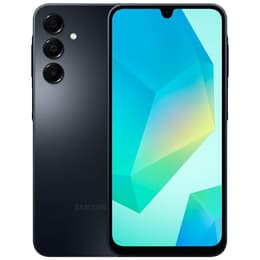
The Samsung Galaxy A16 (released in late 2024) and the Google Pixel 9 Pro Fold (released in late 2024) represent distinct approaches to smartphone design and functionality. While the Galaxy A16 offers a traditional smartphone experience, the Pixel 9 Pro Fold introduces a foldable form factor, providing a larger screen when unfolded. Both devices run on the Android operating system, but they differ significantly in their core hardware, camera capabilities, and overall user experience, catering to different user priorities.
Colour
Storage
The expected lifespan of a smartphone is influenced by its build quality, software support, and the longevity of its components. Both the Galaxy A16 and the Pixel 9 Pro Fold offer substantial software support, contributing to their practical usability over several years.
Year of Release
Compatible with latest Update
OS
Foldable
The performance of these two devices varies considerably due to their differing hardware and target user segments. The Pixel 9 Pro Fold is engineered for high-end performance and multitasking, while the Galaxy A16 focuses on reliable everyday functionality.
The display experience is a primary differentiator between these two smartphones, with the Pixel 9 Pro Fold offering a unique foldable design and premium panel technology, while the Galaxy A16 provides a vibrant traditional screen.
Resolution
Screen type
The camera systems on the Galaxy A16 and the Pixel 9 Pro Fold are designed for different levels of photographic capability, reflecting their respective market segments.
Main camera
Front camera
Beyond core specifications, several practical elements contribute to the overall user experience, including connectivity, physical design, and additional features.
Weight
Screen size (in)
Mobile network
SIM card
Carrier compatibility
Connector
The Samsung Galaxy A16 and Google Pixel 9 Pro Fold cater to distinct user needs, with each device excelling in different areas. User feedback for the Galaxy A16 often highlights its strong battery life, vibrant Super AMOLED display, and extended software support as key advantages for its segment. Many appreciate its solid everyday performance for basic tasks and its overall value. However, some users have noted concerns regarding its processor speed, particularly with demanding applications or heavy multitasking, and the limitations of its secondary cameras. [12, 23, 26]
For the Google Pixel 9 Pro Fold, common praise points revolve around its innovative foldable display, which is highly valued for reading documents, multitasking with app pairs, and consuming media on a larger canvas. Its advanced camera system and the seamless integration of Google's AI features are also frequently lauded. On the other hand, criticisms sometimes point to its slower charging speeds, potential issues with app scaling on the foldable screen, and the visible crease or susceptibility to indentations on the inner display over time. Some users also mention that its performance, while strong, might not match the absolute peak of other flagship devices in graphics-intensive gaming. [13, 17, 19, 20, 25]
Users prioritizing a large, immersive, and versatile screen for productivity, media consumption, and advanced photography, along with cutting-edge AI features and the longest possible software support, may find the Google Pixel 9 Pro Fold well-suited to their needs. Its foldable design offers a unique blend of smartphone portability and tablet-like utility. Conversely, users who prefer a traditional smartphone form factor, value consistent battery life, a clear display for daily use, and robust software longevity without the complexities of a foldable screen, may lean toward the Samsung Galaxy A16. It serves as a reliable option for those seeking a dependable device for essential tasks and communication. Both devices offer quality-assured refurbished options, providing an eco-friendly alternative for consumers.