Galaxy A16 Vs iPhone 13

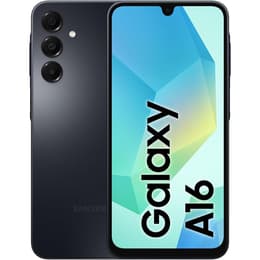
Galaxy A16
Galaxy A16
Starting at

Refurbished price:£100.62

Versus £206.96 new

See options
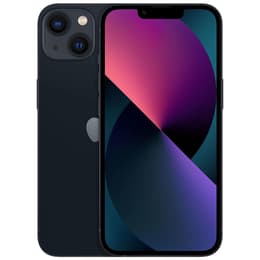
iPhone 13
iPhone 13
Starting at

Refurbished price:£205.00

Versus £599.00 new

See options

Ratings

The Samsung Galaxy A16 (2024) and the Apple iPhone 13 (2021) represent two distinct philosophies in the smartphone market. While the Galaxy A16 is a modern entry-level device designed for longevity and a large-screen experience, the iPhone 13 remains a powerful flagship-tier smartphone that continues to perform at a high level years after its initial release. These devices cater to different user needs, particularly regarding physical size and ecosystem preferences.

The most immediate difference lies in their operating systems, with the Galaxy A16 running Android with Samsung's custom interface, while the iPhone 13 utilizes Apple's iOS. This comparison explores how a newer, more basic model stacks up against an older, high-performance device to help you decide which fits your daily routine. Both phones offer 5G connectivity and modern features, but their strengths lie in very different areas of the user experience.

Scores

Durability

When evaluating how long these devices will remain functional and secure, the release dates and manufacturer support policies play a crucial role in the decision-making process.

  • Software Support Timeline: The Galaxy A16 is notable for its exceptional support policy, with the manufacturer promising six years of security updates and operating system upgrades. This could potentially keep the device current until 2030. The iPhone 13, while older, typically receives six to seven years of support from its 2021 launch, meaning it is likely to remain updated until approximately 2027 or 2028.
  • Build Materials and Resilience: The iPhone 13 is constructed with an aluminium frame and a glass back, featuring a specialised ceramic-hardened front cover for improved scratch resistance. The Galaxy A16 uses a durable plastic construction that is resilient against impacts but may show surface wear more quickly than metal.
  • Repairability: Both devices benefit from established repair networks. The iPhone 13 has a vast ecosystem of third-party repair options due to its popularity, while the Galaxy A16 is designed with a straightforward internal layout that simplifies common fixes like battery replacements.

Year of Release

2024

2021

Compatible with latest Update

Yes

Yes

OS

Android

iOS

Foldable

No

No

Performance

Performance is not just about raw speed but how smoothly a device handles your specific daily tasks, from browsing the web to managing multiple open applications.

  • System Responsiveness: The iPhone 13 utilizes high-performance internal hardware that remains very capable today, allowing for near-instant app launches and smooth multitasking even with demanding software. The Galaxy A16 is equipped with an efficient modern processor that handles everyday tasks like messaging, social media, and web browsing reliably, though it may show slight delays when loading heavy games.
  • Battery Endurance: A significant advantage for the Galaxy A16 is its large 5,000mAh battery, which is designed to last through two days of moderate use. The iPhone 13 has a physically smaller battery but benefits from highly optimized software that ensures a full day of use for most people, though heavy users may need a top-up by the evening.
  • Storage and Memory: Both devices typically start with 128GB of internal storage, providing ample space for photos and apps. The iPhone 13 manages its memory efficiently to keep background apps ready, while the Galaxy A16 provides enough memory for stable performance during standard productivity tasks.

Memory (GB)

4 GB

4 GB

Screen quality

The display is your primary interface with the phone, and these two models offer very different viewing experiences in terms of size and technology.

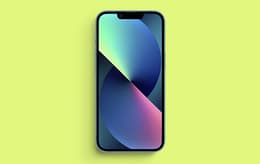
  • Display Technology and Clarity: The Galaxy A16 features a 6.7-inch Super AMOLED display, offering deep blacks and vibrant colours that are excellent for watching videos. The iPhone 13 uses a 6.1-inch Super Retina XDR OLED screen, which is smaller but provides a higher pixel density, resulting in exceptionally sharp text and fine details.
  • Motion and Smoothness: The Galaxy A16 includes a 90Hz refresh rate, which makes scrolling through news feeds and navigating the interface feel smoother than the standard 60Hz refresh rate found on the iPhone 13. This higher refresh rate is a modern feature that enhances the perceived fluidness of the Android interface.
  • Outdoor Visibility: Both screens are designed to be legible in various lighting conditions. The iPhone 13 is known for its high peak brightness, which helps maintain clarity when using the device under direct sunlight, while the Galaxy A16 offers a large surface area that reduces eye strain during long reading sessions.

Resolution

1080 x 2340

1170 x 2532

Screen type

Super AMOLED

Super Retina XDR OLED

Audiovisual

For many users, the camera is the most important feature, and the choice here depends on whether you prefer versatility or consistent image processing.

  • Lens Configuration: The Galaxy A16 features a triple-camera system, including a high-resolution main sensor, an ultra-wide lens, and a dedicated macro lens for close-up photography. The iPhone 13 uses a dual-lens system that focuses on a high-quality main sensor and an ultra-wide lens, prioritizing image consistency and natural colour balance across different environments.
  • Video Capabilities: The iPhone 13 is widely regarded for its video stability and high-fidelity audio recording, making it a preferred choice for users who frequently record clips for social media. The Galaxy A16 produces clear, functional video for casual recording but lacks the advanced cinematic stabilization features found in the iPhone.
  • Low-Light Performance: In darker settings, the iPhone 13 uses advanced software processing to pull more detail out of shadows and reduce graininess. The Galaxy A16 performs well in daylight but may require a steadier hand and more ambient light to achieve the same level of clarity in evening shots.

Main camera

50 megapixels

12 megapixels

Front camera

13 megapixels

12 megapixels

Miscellaneous

Beyond the main specifications, several practical features influence how these phones feel in your hand and how they connect to other devices.

  • Biometrics and Security: The iPhone 13 relies on facial recognition technology, which is integrated into the front camera system for secure and hands-free unlocking. The Galaxy A16 uses a fingerprint sensor conveniently located on the side power button, which some users find more reliable when wearing masks or in dark environments.
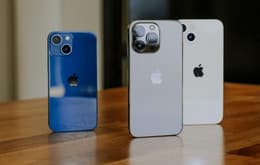
  • Physical Handling: There is a significant size difference between the two. The Galaxy A16 is a tall, substantial device that is ideal for media consumption but may require two hands for comfortable use. The iPhone 13 is more compact and lighter, making it much easier to use with one hand and more comfortable in smaller pockets.
  • Connectivity and Ports: The Galaxy A16 uses the universal USB-C port, which is compatible with most modern charging cables and accessories. The iPhone 13 uses the proprietary Lightning port, which may require specific cables if you are transitioning from other non-Apple devices.

Weight

200 g

173 g

Screen size (in)

6.7

6.1

Mobile network

4G

5G

SIM card

Dual Physical SIM

Physical SIM + eSIM

Carrier compatibility

Unlocked

Unlocked

Connector

USB-C

Lightning

In summary, the choice between the Galaxy A16 and the iPhone 13 depends largely on your priorities regarding screen size, software longevity, and ecosystem. User feedback on community forums often highlights the Galaxy A16 for its impressive battery life and the modern feel of its 90Hz display, though some note that its plastic build feels less substantial than flagship models. Conversely, the iPhone 13 is frequently praised for its enduring speed, compact form factor, and superior video quality, with the main criticisms focusing on its slower 60Hz screen and the older Lightning charging port.

Users who prioritize a large screen for watching movies, a battery that can last multiple days, and the longest possible software update window will find the Galaxy A16 to be a practical choice. Those who prefer a smaller, more pocketable device with high-end performance for gaming and professional-grade video recording will likely lean toward the iPhone 13. If you are looking for a sustainable choice, a quality-assured refurbished option for either device is an excellent way to access these features while reducing environmental impact. Both smartphones remain highly functional in 2026, offering reliable connectivity and modern features for a wide range of daily needs.


See all articles

Our recent comparisons