Galaxy A16 Vs iPhone 14

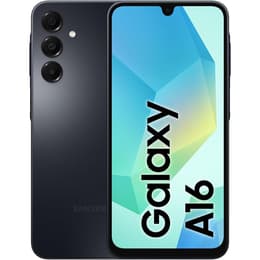
Galaxy A16
Galaxy A16
Starting at

Refurbished price:£100.62

Versus £206.96 new

See options
iPhone 14
iPhone 14
Starting at

Refurbished price:£229.00

Versus £599.00 new

See options

Ratings

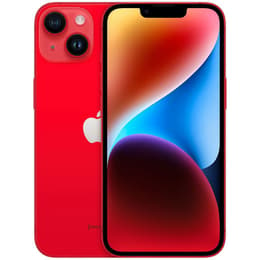
The Samsung Galaxy A16 (2024) and the Apple iPhone 14 (2022) are two smartphones that cater to distinct user needs within the current mobile landscape of 2026. While the Galaxy A16 is a more recent entry focusing on an expansive display and modern software longevity, the iPhone 14 remains a highly capable device known for its integrated ecosystem and compact build. The Galaxy A16 operates on the Android platform with Samsung's custom interface, whereas the iPhone 14 runs iOS, providing a different approach to app management and user navigation. One primary differentiator is the balance between the Galaxy's large-screen media focus and the iPhone's emphasis on a streamlined, high-performance experience.

Scores

Durability

When evaluating how long these devices will remain functional and secure, the release dates and manufacturer support policies play a significant role in their expected lifespan.

  • Software Longevity: The Galaxy A16 benefits from a newer release cycle and Samsung's updated commitment to providing six years of security patches and operating system updates, ensuring the device stays current well into the late 2020s. In contrast, the iPhone 14, while older, follows Apple's tradition of long-term support, though it may reach its final compatible software version a year or two before the Galaxy model.
  • Repairability and Build: The iPhone 14 features an internal design that allows for easier access to both the front and back glass, simplifying common repairs. The Galaxy A16 utilizes a sturdy plastic construction that is resilient against impact, though its modular components are generally straightforward for professional technicians to service, contributing to a reliable practical lifespan for everyday users.

Year of Release

2024

2022

Compatible with latest Update

Yes

Yes

OS

Android

iOS

Foldable

No

No

Performance

The daily performance of these smartphones is defined by how they handle multitasking, app loading, and sustained power throughout a full day of activity.

  • System Responsiveness: The iPhone 14 provides a consistently smooth experience, where switching between demanding applications and high-definition video editing feels instantaneous. The Galaxy A16 is well-suited for standard daily tasks such as web browsing and social media, though users may notice a slight difference in speed when launching heavy games or managing a large number of background processes simultaneously.
  • Battery and Storage: Equipped with a high-capacity battery, the Galaxy A16 is designed for endurance, often lasting through two days of moderate use. The iPhone 14 relies on efficient power management to provide a full day of use, while both devices offer various internal storage tiers to accommodate large libraries of photos and applications without immediate need for external management.

Memory (GB)

4 GB

6 GB

Screen quality

The viewing experience differs significantly between these two models, particularly regarding the physical size of the canvas and the smoothness of on-screen motion.

  • Display Technology and Smoothness: The Galaxy A16 features a 90Hz refresh rate, which provides a smoother visual experience when scrolling through news feeds or navigating menus compared to the standard 60Hz screen on the iPhone 14. However, the iPhone 14 utilizes a high-quality OLED panel that delivers deep blacks and exceptional colour accuracy, which is particularly noticeable when viewing high-dynamic-range content.
  • Size and Outdoor Visibility: With a 6.7-inch display, the Galaxy A16 offers a much larger area for watching videos and gaming, making it a strong choice for media enthusiasts. The iPhone 14 features a more compact 6.1-inch screen that is easier to use with one hand and reaches high peak brightness levels, ensuring the display remains clear and legible even under direct midday sunlight.

Resolution

1080 x 2340

1170 x 2532

Screen type

Super AMOLED

Super Retina XDR OLED

Audiovisual

Both smartphones offer capable camera systems, though they prioritise different aspects of the photography and videography experience for the end user.

  • Photo Versatility: The Galaxy A16 is equipped with a triple-lens array, including a dedicated macro lens for close-up photography and an ultra-wide sensor for capturing expansive landscapes. The iPhone 14 uses a dual-lens system that focuses on high-quality image processing, resulting in natural skin tones and consistent performance across various lighting conditions, particularly in indoor or evening settings.
  • Video and Audio Quality: For users who record a lot of video, the iPhone 14 offers advanced stabilisation and clear microphone pickup, making it a reliable tool for social media creators. The Galaxy A16 provides clear audio for calls and media through its speaker system, while its video recording is well-suited for casual captures and sharing moments with friends and family in well-lit environments.

Main camera

50 megapixels

12 megapixels

Front camera

13 megapixels

12 megapixels

Miscellaneous

Practical features such as biometric security, physical dimensions, and connectivity standards influence how these devices fit into a user's daily routine.

  • Security and Sensors: The iPhone 14 utilizes facial recognition technology for secure unlocking and authentication, which functions effectively in most lighting conditions. The Galaxy A16 typically employs a side-mounted fingerprint sensor, providing a tactile and quick way to access the device. Both models support 5G connectivity, ensuring fast data speeds where network coverage is available.
  • Portability and Materials: The iPhone 14 is notably lighter and more compact, featuring a glass and aluminium frame that feels substantial yet easy to carry. The Galaxy A16 has a larger footprint due to its screen size and uses a durable plastic build that helps keep the overall weight manageable despite its dimensions. Additionally, the Galaxy A16 uses the universal USB-C port, while the iPhone 14 uses the Lightning connector for charging and data transfer.

Weight

200 g

172 g

Screen size (in)

6.7

6.1

Mobile network

4G

5G

SIM card

Dual Physical SIM

Physical SIM + eSIM

Carrier compatibility

Unlocked

Unlocked

Connector

USB-C

Lightning

In summary, user consensus from various community forums suggests that the Galaxy A16 is highly regarded for its expansive screen and impressive battery endurance, making it a favourite for those who prioritise media consumption. Some users have noted that its larger size can feel bulky in smaller pockets. On the other hand, the iPhone 14 receives frequent praise for its compact form factor and the reliability of its video recording, though some users in 2026 find the 60Hz refresh rate less fluid than more modern alternatives.

Users who prioritise a large display for streaming and a battery that can comfortably last through a long weekend may find the Galaxy A16 aligns best with their lifestyle. Conversely, those who prefer a smaller, more pocketable device with a seamless software ecosystem and high-quality video performance will likely lean toward the iPhone 14. Choosing a quality-assured refurbished option is a sustainable choice that allows users to access these features while contributing to a circular economy. Both smartphones remain practical choices, and selecting an eco-friendly alternative ensures that these capable devices continue to provide utility without the environmental impact of new manufacturing. Ultimately, the decision rests on whether a user values the modern software longevity of the Galaxy or the compact, high-performance integration of the iPhone.

See all articles

Our recent comparisons