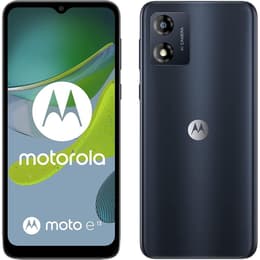
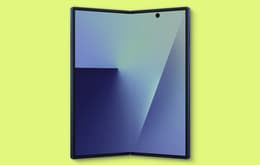
Galaxy Z Fold4 Vs Motorola Moto E13

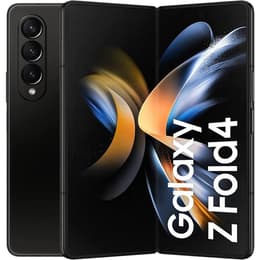
Galaxy Z Fold4
Galaxy Z Fold4
Starting at

Refurbished price:£352.00

Versus £1,889.00 new

See options
Motorola Moto E13
Motorola Moto E13
Starting at

Refurbished price:£74.00

Versus £83.99 new

See options

Ratings

The Samsung Galaxy Z Fold4, released in August 2022, and the Motorola Moto E13, launched in January 2023, represent two distinct approaches to smartphone design and functionality. The Galaxy Z Fold4 stands out as a premium foldable device, offering a large, adaptable screen experience, while the Moto E13 is an entry-level smartphone designed for essential daily tasks. Both devices run on the Android operating system, but they cater to vastly different user needs and expectations through their hardware and software implementations.

Scores

Durability

The practical lifespan of a smartphone is influenced by its build quality, software support, and the demands of evolving applications. These two devices offer different expectations in terms of longevity.

  • Software Support: The Galaxy Z Fold4 launched with Android 12L and is expected to receive four major Android OS upgrades, extending its software support until Android 16, along with five years of security updates, projected until 2027. The Moto E13, released with Android 13 (Go edition), typically receives fewer major OS updates, which may limit its long-term software compatibility compared to its counterpart.
  • Physical Durability: The Galaxy Z Fold4 features a robust construction with Gorilla Glass Victus+ on its exterior and an aluminum frame, alongside an IPX8 water resistance rating, indicating protection against continuous immersion in water. However, its folding mechanism introduces potential points of wear, with some users reporting issues like screen protector peeling, hinge problems, or internal screen damage over time. The Moto E13, with its plastic back and frame, offers IP52 dust and splash resistance, providing basic protection against environmental elements. Some users have noted its screen can be prone to shattering.
  • Expected Lifespan: Given its premium components and extended software support, the Galaxy Z Fold4 is designed for a longer functional life, especially for users who value cutting-edge features and sustained performance. The Moto E13, while durable for its class, is better suited for users with more modest demands, where its software and hardware capabilities will meet basic needs for a practical duration.

Year of Release

2022

2023

Compatible with latest Update

Yes

No

OS

Android

Android

Foldable

Yes

No

Performance

Performance varies significantly between these two devices, reflecting their intended market segments and hardware capabilities.

  • Processing Power: The Galaxy Z Fold4 is equipped with a high-end processor designed to handle demanding applications, intensive multitasking, and graphic-rich gaming with fluidity. This allows for smooth transitions between apps and efficient operation of multiple windows on its large display. In contrast, the Moto E13 features an entry-level processor, which is suitable for basic tasks like web browsing, social media, and light applications. Users may experience slower app loading times and occasional lag, particularly when running multiple applications simultaneously.
  • Multitasking and Responsiveness: With its substantial amount of RAM, the Galaxy Z Fold4 excels at multitasking, allowing users to run several applications side-by-side without noticeable slowdowns. Its overall system responsiveness is quick, providing a seamless user experience. The Moto E13, typically configured with less RAM, is better suited for single-app usage or switching between a few less demanding applications. Users have reported instances of the interface feeling slow or laggy, and apps crashing, indicating limitations in handling more complex operations.
  • Storage and Battery Behavior: The Galaxy Z Fold4 offers generous internal storage options, catering to users who store large files and numerous applications. Its 4400 mAh battery is designed to power its advanced features and dual displays, with user experiences varying based on usage patterns. The Moto E13 comes with a 5000 mAh battery, which, combined with its less power-intensive hardware and lower resolution screen, often translates to extended usage times for typical daily activities.

Memory (GB)

12 GB

2 GB

Screen quality

The display technologies and viewing experiences offered by the Galaxy Z Fold4 and Moto E13 are fundamentally different, catering to distinct user preferences.

  • Display Technology and Clarity: The Galaxy Z Fold4 features two Dynamic AMOLED 2X displays. The main 7.6-inch foldable screen and the 6.2-inch cover screen both offer vibrant colors, deep blacks, and excellent contrast, providing a premium visual experience. The high resolution on both screens ensures sharp text and detailed images. The Moto E13 utilizes a 6.5-inch IPS LCD panel with a resolution of 720x1600 pixels. While adequate for everyday viewing, it offers less vibrant colors and shallower blacks compared to AMOLED technology.
  • Brightness and Refresh Rate: The Galaxy Z Fold4's displays are capable of high brightness levels, making them comfortable to view even in bright outdoor conditions. Both screens also boast a 120Hz refresh rate, contributing to exceptionally smooth scrolling and responsive interactions. The Moto E13 has a standard 60Hz refresh rate, which provides a competent but less fluid visual experience. Its brightness levels are suitable for indoor use, but may struggle in direct sunlight.
  • Screen Size and Viewing Experience: The Galaxy Z Fold4's large, unfolding main screen transforms the device into a tablet-like canvas, ideal for immersive media consumption, detailed document work, and advanced multitasking. The cover screen provides a more traditional smartphone experience when folded. The Moto E13 offers a conventional large smartphone screen, suitable for general browsing, social media, and video streaming, providing a straightforward viewing experience without the versatility of a foldable.

Resolution

1812 x 2176

720 x 1600

Screen type

Foldable Dynamic AMOLED 2X

IPS LCD

Audiovisual

The camera systems of the Galaxy Z Fold4 and Moto E13 are designed for different levels of photographic capability and user expectations.

  • Rear Camera System: The Galaxy Z Fold4 features a versatile triple-camera setup on its rear, including a 50 MP main sensor with optical image stabilization (OIS), a 10 MP telephoto lens with 3x optical zoom and OIS, and a 12 MP ultrawide lens. This configuration allows for detailed photos across various scenarios, including good performance in challenging lighting conditions and the ability to capture distant subjects. The Moto E13 is equipped with a single 13 MP main camera. It is capable of capturing adequate photos in well-lit environments, but its performance may be limited in low-light situations, and it lacks the versatility of multiple lenses.
  • Front-Facing Cameras: For selfies and video calls, the Galaxy Z Fold4 includes a 10 MP camera on its cover display and a 4 MP under-display camera on the main foldable screen. These provide clear images for communication and casual self-portraits. The Moto E13 has a 5 MP front-facing camera, suitable for basic video calls and selfies.
  • Video Recording and Audio: Both devices are capable of recording video, with the Galaxy Z Fold4 offering higher resolution and more advanced stabilization features for smoother footage. The microphone quality on the Z Fold4 is designed for clear audio capture in various environments. The Moto E13 provides standard video recording capabilities. For media consumption, the Galaxy Z Fold4 typically offers a more robust speaker output for an enhanced audio experience, while the Moto E13 provides functional audio for calls and casual listening.

Main camera

50 megapixels

13 megapixels

Front camera

4 megapixels

5 megapixels

Miscellaneous

Beyond core features, several practical elements differentiate the user experience between the Galaxy Z Fold4 and the Moto E13.

  • Connectivity and Ports: The Galaxy Z Fold4 supports advanced connectivity standards, including 5G and Wi-Fi 6E, ensuring fast mobile data and wireless internet speeds. It features a USB-C port for charging and data transfer. The Moto E13 supports 4G LTE and Wi-Fi 5, providing reliable but generally slower wireless connectivity. It also includes a USB-C port and notably retains a 3.5mm headphone jack, offering more traditional audio connectivity.
  • Biometric Security and Handling: The Galaxy Z Fold4 incorporates a side-mounted fingerprint sensor and face recognition for secure and convenient unlocking. Its unique folding design means it is thicker and heavier when folded (263g) compared to a traditional smartphone, but offers a compact form factor. The Moto E13 primarily relies on face unlock for biometric security. Weighing approximately 179.5g, it is a lighter and more conventional slab-style device, making it easy to handle for extended periods.
  • Build Materials and Additional Features: The Galaxy Z Fold4 uses premium materials like Gorilla Glass Victus+ and an aluminum frame, contributing to its refined feel. It also supports S Pen functionality (sold separately), enhancing its productivity features. The Moto E13 features a plastic body, which contributes to its lighter weight and overall durability against minor impacts.

Weight

263 g

181 g

Screen size (in)

7.6

6.5

Mobile network

5G

4G

SIM card

Dual Physical SIM + eSIM

Dual Physical SIM

Carrier compatibility

Unlocked

Unlocked

The Samsung Galaxy Z Fold4 and Motorola Moto E13 cater to distinct user needs, with each device excelling in different areas. The Galaxy Z Fold4 is frequently praised by users for its innovative foldable design, offering a large, immersive screen for multitasking, media consumption, and productivity when unfolded, while remaining relatively compact when closed. Users appreciate the improved outer screen width compared to previous models and the overall fluidity of the user experience. However, common criticisms include concerns about the long-term durability of the folding screen and hinge mechanism, with reports of screen protector peeling and hinge issues. Some users also note its substantial weight and battery drain as potential drawbacks.

Conversely, the Motorola Moto E13 is often recognized for its extended battery life, a significant advantage for users prioritizing longevity on a single charge. Its straightforward Android Go experience is suitable for basic communication and light usage. However, user feedback frequently highlights performance limitations, such as slow and laggy interfaces, apps crashing, and occasional overheating. The camera performance and screen durability are also areas where users have expressed concerns.

Users prioritizing a cutting-edge, versatile device for advanced multitasking, immersive media, and a premium build will find the Galaxy Z Fold4 well-suited to their needs. Its powerful performance and expansive display offer a unique smartphone experience. For individuals seeking a simple, reliable device for essential daily tasks, with a focus on battery longevity and ease of use, the Motorola Moto E13 presents a practical option. Evaluating quality-assured refurbished options for either model can provide an eco-friendly alternative for those looking to make a sustainable choice.

See all articles

Our recent comparisons