iPhones
Compare models
Differences at a glance
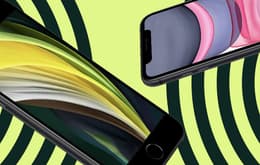
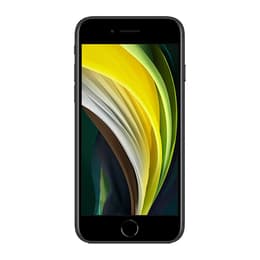
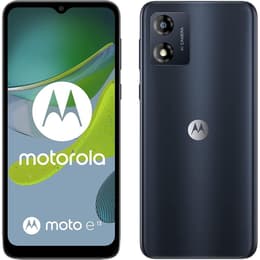
The iPhone SE (2020) and the Motorola Moto E13 (2023) represent two distinct philosophies in the smartphone world, catering to users with different priorities regarding size and software. The iPhone SE is a compact handset that brings a high-performance experience to a familiar, classic design, while the Motorola Moto E13 offers a modern, large-screen experience using a streamlined version of the Android operating system. While the iPhone is older, its internal capabilities remain competitive, whereas the Motorola focuses on providing a contemporary look and long-lasting battery life for everyday essential tasks.
Colour
Storage
Assessing the longevity of a smartphone involves looking at both its physical construction and how long the manufacturer provides software updates. The iPhone SE is built with a glass front and back held together by an aluminium frame, offering a solid and premium feel that has proven resilient over time. The Motorola Moto E13 uses a plastic body that is lightweight and less prone to shattering if dropped, though it may show surface wear more easily. Software support is another critical factor; Apple is known for providing updates for many years, though the 2020 SE is now entering its final years of major support. The Moto E13, being a more basic Android device, typically receives fewer updates, which may impact its long-term security. Choosing a quality-assured refurbished option is an excellent way to extend the lifecycle of these devices while ensuring they meet high functional standards.
Year of Release
Compatible with latest Update
OS
Foldable
The daily experience of using these phones is shaped by how they handle applications and how long their batteries last between charges. The iPhone SE contains a high-performance processor that was originally designed for flagship models, meaning it handles multitasking, photo editing, and gaming with remarkable smoothness and speed. However, its smaller physical size limits its battery capacity, which may require more frequent charging for heavy users. The Motorola Moto E13 takes a different approach; it uses an efficient processor designed for essential tasks like web browsing, social media, and messaging. While it may not be as fast as the iPhone when launching demanding apps, its much larger battery ensures it can often last through two days of light use without needing a power outlet.
The visual experience is one of the most noticeable differences between these two handsets, affecting everything from reading text to watching videos. The iPhone SE features a 4.7-inch display using high-definition LCD technology, which provides excellent colour accuracy and sharpness in a very compact form factor. Its smaller size makes it ideal for one-handed use but offers less room for immersive media. The Motorola Moto E13, on the other hand, boasts a much larger 6.5-inch display. This provides a significantly larger canvas for watching films or browsing the web, though the pixel density is lower than that of the iPhone, meaning images may not appear quite as crisp when viewed closely. The Motorola's screen also features a modern aspect ratio with thinner borders around the edges.
Resolution
Screen type
Photography and media playback are central to the modern smartphone experience, and these two devices offer different strengths in these areas. The iPhone SE has a single rear camera that benefits from advanced software processing, allowing it to take high-quality photos with good dynamic range and natural skin tones. It is also particularly capable when it comes to video recording, offering smooth stabilisation and clear audio. The Motorola Moto E13 also features a single rear camera system that is designed for capturing everyday moments in good lighting. While it lacks the advanced video features of the iPhone, it provides a functional camera experience for casual social media use. In terms of audio, the iPhone features stereo speakers for a more balanced sound, while the Motorola includes a traditional headphone jack, which many users still prefer for wired audio.
Main camera
Front camera
Beyond the core specifications, several practical features influence how these phones fit into a user's daily routine. The iPhone SE includes a physical home button with an integrated fingerprint sensor, providing a fast and secure way to unlock the device and authorise payments. It uses a proprietary charging port and supports wireless charging, which is a convenient feature not often found in this category. The Motorola Moto E13 uses a modern USB-C port for charging and data transfer, which is compatible with most contemporary electronic accessories. It also offers the flexibility of expandable storage via a memory card slot and supports dual SIM cards, making it a practical choice for travellers or those who need to manage two phone numbers on one device.
Weight
Screen size (in)
Mobile network
SIM card
Carrier compatibility
Connector
When looking at user feedback from various online communities and forums, the consensus highlights the specific strengths of each device. Users of the iPhone SE frequently praise its pocketable size and the fact that it still feels responsive even years after its release. However, a common point of criticism is the battery life, which many find struggles to last a full day under heavy use. On the other hand, Motorola Moto E13 owners often celebrate the outstanding battery endurance and the generous screen size, though some note that the device can feel a bit slow when switching between multiple demanding applications. In the current landscape of 2026, both handsets remain viable for specific needs, whether as a primary device or a reliable secondary phone.
Choosing between these two depends largely on individual priorities. Users who prefer a small, powerful phone that is easy to use with one hand and offers a high-quality camera will likely find the iPhone SE to be the better fit. Conversely, those who prioritise a large screen for watching videos and a battery that can last for days without a charge will lean toward the Motorola Moto E13. For those looking to make a sustainable choice, opting for a quality-assured refurbished model is an eco-friendly alternative that ensures the device has been professionally tested for performance. Ultimately, both handsets provide a reliable mobile experience, whether you value the high-speed performance of the iPhone or the long-lasting utility of the Motorola.