Samsung
Compare models
Differences at a glance
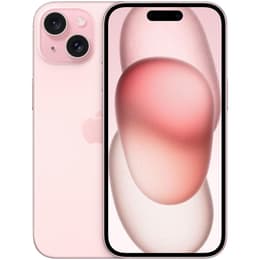
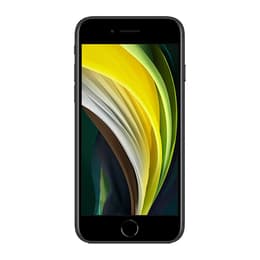
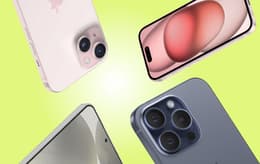
The iPhone 15 (2023) and the iPhone SE (2020) represent two distinct eras of smartphone design and functionality. While the iPhone 15 showcases a modern full-screen aesthetic with advanced features, the iPhone SE (2020) retains the classic home button design that many users find familiar and intuitive. Both devices run the latest versions of iOS, though their hardware capabilities influence how they handle the newest software features over time. This comparison explores the practical differences between these two models, both of which are available as an eco-friendly alternative for conscious consumers.
Colour
Storage
The iPhone 15 and iPhone SE (2020) differ significantly in their expected lifespan and software support timelines due to the three-year gap between their respective release dates.
Year of Release
Compatible with latest Update
OS
Foldable
The gap in release years translates to a noticeable difference in how these devices handle modern applications and multitasking demands during daily use. Both models offer various storage capacities to suit different user needs, ranging from standard amounts for casual use to larger options for those who store many photos and videos.
The viewing experience is perhaps the most immediate difference between these two smartphones, affecting everything from reading text to watching high-definition videos. The clarity and resolution of the display determine how sharp text and images appear during daily tasks like browsing or reading.
Resolution
Screen type
Photography and media consumption have evolved considerably between the release of these two models, resulting in distinct capabilities for capturing and playing back content. Advancements in sensor technology and audio processing have changed how these devices capture video and play back media.
Main camera
Front camera
Practical hardware features like ports and biometric security define the daily user experience and connectivity options for both of these devices. The physical footprint and build materials of these devices significantly impact how they feel in the hand and their overall portability.
Weight
Screen size (in)
Mobile network
SIM card
Carrier compatibility
Connector
Based on user discussions and community forums, the iPhone SE (2020) remains a favourite for those who value the tactile feedback of a physical home button and the portability of a smaller frame. However, many users frequently note that its battery life is a significant limitation for modern needs. Conversely, the iPhone 15 receives high marks for its impressive display and the convenience of the USB-C port, though some users transitioning from older models find the larger size takes time to adjust to.
Users prioritising a compact, familiar design for basic communication and light app usage may find the iPhone SE (2020) perfectly adequate for their needs. In contrast, users who prioritise photography, video streaming, and long-term software support will likely lean toward the iPhone 15. Choosing a quality-assured refurbished option for either model is a sustainable choice that helps reduce electronic waste while providing a reliable device. Ultimately, the decision rests on whether you prefer the classic, one-handed usability of the SE or the modern, feature-rich experience of the 15. Both devices offer the reliable iOS experience, but they cater to distinct lifestyle requirements and usage patterns.