
Galaxy S9 Vs iPhone SE (2020)

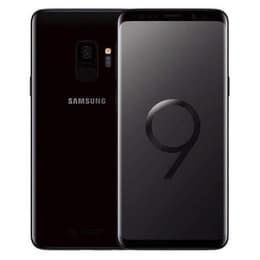
Galaxy S9
Galaxy S9
Starting at

Refurbished price:£77.00

Versus £449.00 new

See options
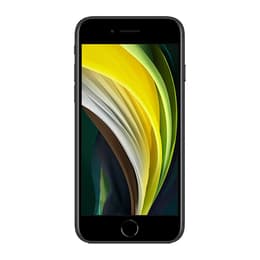
iPhone SE (2020)
iPhone SE (2020)
Starting at

Refurbished price:£67.00

Versus £289.00 new

See options

Ratings

The Samsung Galaxy S9, released in 2018, and the iPhone SE 2020, launched two years later, represent two distinct approaches to smartphone design. While the Galaxy S9 was originally a flagship device featuring a curved, edge-to-edge display, the iPhone SE 2020 was designed as a compact, high-performance device housed in a classic frame. These smartphones operate on different ecosystems—Android and iOS respectively—offering unique user experiences tailored to different digital habits. Understanding their differences in hardware longevity and display technology is key to making an informed choice between these two popular models.

Scores

Durability

The two-year gap between these devices significantly impacts their expected lifespan and software compatibility in the modern digital landscape.

  • Software Longevity: The iPhone SE 2020 benefits from a much longer window of operating system updates, as it was released later and uses more modern internal components. This ensures it remains compatible with the latest apps and security patches for several years. In contrast, the Galaxy S9 has reached the end of its official software update cycle, meaning it will not receive newer versions of Android, though it remains functional for standard tasks.
  • Physical Build and Repair: Both devices feature glass and metal constructions that require careful handling. The iPhone SE 2020 follows a well-established design, making it relatively straightforward for technicians to service. Choosing a quality-assured refurbished option for either model can extend the life of these materials, contributing to a more circular electronics economy.
  • Practical Lifespan: Users looking for a device that will remain secure and compatible with banking or work apps for the next few years will find the iPhone SE 2020 more reliable due to its ongoing software support.

Year of Release

2018

2020

Compatible with latest Update

No

Yes

OS

Android

iOS

Foldable

No

No

Performance

Despite the Galaxy S9 having more memory, the iPhone SE 2020 offers a more responsive experience in demanding scenarios due to its newer internal architecture.

  • System Responsiveness: The iPhone SE 2020 utilizes a processor that was highly advanced at its launch, allowing it to open apps quickly and handle intensive multitasking without lag. The Galaxy S9, while smooth for browsing and social media, may show signs of slowing down when running the most recent, resource-heavy mobile games or editing high-resolution video.
  • Battery Behavior: Both smartphones have relatively small batteries compared to modern standards. The Galaxy S9 powers a very high-resolution screen, which can lead to faster drain during media playback. The iPhone SE 2020 has a smaller physical battery capacity but benefits from a more power-efficient processor, though heavy users will likely need to charge both devices before the end of a full day.
  • Storage and Expansion: The Galaxy S9 offers the flexibility of expandable storage via a memory card slot, which is useful for those who store many photos locally. The iPhone SE 2020 relies on fixed internal storage, requiring users to manage their files or use cloud services more actively.

Memory (GB)

4 GB

3 GB

Screen quality

The viewing experience is perhaps the most significant point of divergence between these two smartphones, catering to very different visual preferences.

  • Display Technology: The Galaxy S9 features a sophisticated organic light-emitting diode (OLED) screen that provides deep blacks and high contrast, making it excellent for watching movies. The iPhone SE 2020 uses a traditional liquid crystal display (LCD), which offers accurate colors and good visibility but lacks the true black levels and vibrancy found on the Samsung model.
  • Resolution and Clarity: With a much higher pixel density, the Galaxy S9 provides a sharper image that is noticeable when reading small text or viewing high-quality images. The iPhone SE 2020 has a lower resolution that is perfectly adequate for its smaller screen size but lacks the immersion provided by the S9's curved, nearly bezel-less design.
  • Outdoor Visibility: The Galaxy S9 can reach higher peak brightness levels, which helps when using the phone under direct sunlight. The iPhone SE 2020 remains legible outdoors but may require more effort to see clearly in very bright environments compared to the vibrant Samsung display.

Resolution

1440 x 2960

750 x 1334

Screen type

Super AMOLED

Retina IPS LCD

Audiovisual

Both devices offer capable photography for everyday moments, though they excel in different areas of image processing and hardware capability.

  • Camera Versatility: The Galaxy S9 features a unique lens that can physically adjust its aperture to let in more light, which helps in dim environments. The iPhone SE 2020 uses advanced software processing to produce well-balanced photos with excellent dynamic range in daylight, though it lacks a dedicated mode for very dark settings.
  • Video Capabilities: For users who record a lot of video, the iPhone SE 2020 is often preferred for its smooth stabilization and consistent color across different lighting conditions. The Galaxy S9 is also a strong performer, offering high-resolution recording and slow-motion features that remain impressive for its age.
  • Audio Experience: The Galaxy S9 includes a traditional headphone jack, a feature many users still find essential for using wired audio equipment without adapters. It also features stereo speakers tuned for a wide soundstage. The iPhone SE 2020 also has stereo speakers that produce clear sound, but it requires a connector or wireless headphones for private listening.

Main camera

12 megapixels

12 megapixels

Front camera

8 megapixels

7 megapixels

Miscellaneous

Practical daily use is influenced by the physical design and connectivity options of each handset, affecting how they feel in the hand and how they connect to accessories.

  • Biometrics and Security: The iPhone SE 2020 uses a front-mounted fingerprint sensor integrated into the home button, which is widely regarded as fast and reliable. The Galaxy S9 offers multiple options, including a rear-mounted fingerprint scanner and an iris scanner, providing more ways to unlock the device depending on the situation.
  • Physical Handling: The iPhone SE 2020 is one of the smallest and lightest smartphones available, making it ideal for one-handed use and small pockets. The Galaxy S9 is taller and slightly heavier but uses its space more efficiently by filling almost the entire front with the screen.
  • Connectivity and Ports: The Galaxy S9 uses a universal USB-C port for charging and data transfer, while the iPhone SE 2020 uses the proprietary Lightning port. Both support fast charging and wireless charging, though the specific cables required will differ.

Weight

163 g

148 g

Screen size (in)

5.8

4.7

Mobile network

4G

4G

SIM card

Physical SIM

Physical SIM + eSIM

Carrier compatibility

Unlocked

Unlocked

Connector

USB-C + Jack 3.5mm

Lightning

User consensus on these two devices highlights a clear split in priorities. On community forums, the Galaxy S9 is frequently praised for its ahead-of-its-time display and the inclusion of the headphone jack, which remains a favorite for media enthusiasts. However, some users note that the battery life and lack of recent software updates make it feel like a device from a previous era. The iPhone SE 2020 receives consistent praise for its pocketable size and the fact that it remains incredibly fast even years after its release. Its main criticisms usually center on the dated design with large borders around the screen and the modest battery endurance.

Users who prioritize a high-quality visual experience for streaming video and want the flexibility of expandable storage will likely find the Galaxy S9 more suited to their needs. Conversely, users who value long-term software support, a compact form factor, and a highly responsive interface for modern apps will find the iPhone SE 2020 to be a more practical choice. Both models are available as sustainable choices through refurbishment, allowing users to access these features while reducing electronic waste. Ultimately, the decision rests on whether you prefer the immersive hardware of an older flagship or the modern efficiency of a more recent compact device.

See all articles

Our recent comparisons