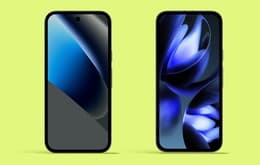
Compare models
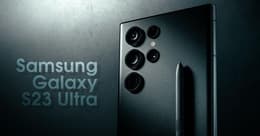
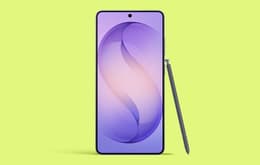
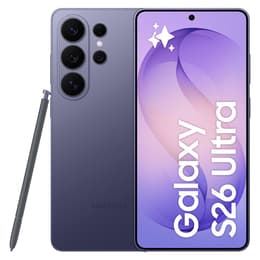
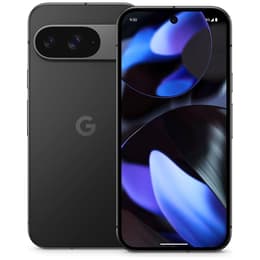
Galaxy S26 Ultra Vs Google Pixel 9
- 1-year minimum warranty
- Free delivery on all items
- Free 30-day returns
Differences at a glance
The Samsung Galaxy S26 Ultra (2026) and the Google Pixel 9 (2024) represent different approaches to modern smartphone design, catering to distinct user preferences in the flagship mobile market. While the Galaxy S26 Ultra is a large-format device built for expansive viewing and complex productivity tasks, the Google Pixel 9 focuses on a streamlined, everyday smartphone experience powered by intuitive software. Both devices run on the Android operating system, though they deliver unique interface styles and distinct manufacturer features that shape daily interaction.
Available Models
Colour
Storage (GB)
Scores
Durability
When evaluating long-term utility and durability, both devices offer robust software backing, though their physical and temporal profiles differ significantly.
- Release timeline and support: The Galaxy S26 Ultra benefits from a later release year, ensuring extended software update schedules, while the Google Pixel 9 provides Google's established multi-year commitment to security and system updates.
- Repairability and build: Both models utilize durable glass and metal structures, with standardized repair pathways available through certified service networks for sustainable, quality-assured refurbished options.
- Expected lifespan: Both smartphones maintain high performance over several years, making them reliable choices for users seeking long-term hardware stability.
Year of Release
2026
2024
Compatible with latest Update
Yes
Yes
OS
Android
Android
Foldable
No
No
Performance
Day-to-day speed, multitasking capability, and battery behavior vary based on the internal hardware architecture of each smartphone.
- Multitasking and processing: The Galaxy S26 Ultra handles heavy workloads and resource-intensive gaming effortlessly, whereas the Google Pixel 9 manages everyday apps, browsing, and moderate multitasking smoothly.
- Battery endurance: The larger physical footprint of the Galaxy S26 Ultra accommodates a higher-capacity battery for extended heavy use, while the Google Pixel 9 offers dependable all-day battery life for standard daily routines.
- Storage configurations: Both devices offer ample internal storage variants to store large media libraries and applications without requiring external expansion.
Screen quality
Display performance shapes the core media consumption and daily interaction experience on both handsets.
- Panel technology and clarity: Both phones utilize vibrant OLED display technology yielding deep contrast levels, sharp text rendering, and rich color reproduction for reading and video playback.
- Outdoor visibility: High peak brightness levels on both devices ensure clear screen legibility under direct sunlight, reducing glare during outdoor use.
- Refresh rate and fluidity: High refresh rate support ensures smooth scrolling through web pages and fluid animation transitions across the user interface.
Resolution
1440 x 3120
1080 x 2424
Audiovisual
Imaging hardware and audio output configurations define how each device captures memories and consumes multimedia content.
- Camera systems: The Galaxy S26 Ultra features a versatile multi-lens array including specialized telephoto reach for distant subjects, while the Google Pixel 9 relies on a streamlined dual-lens setup optimized for natural color science and computational photography.
- Video and low-light: Both smartphones record stable video and capture clean low-light imagery, though processing styles differ between Samsung's vibrant tuning and Google's contrast-focused approach.
- Media audio: Stereo speaker setups on both models deliver clear audio output for hands-free calls and casual video streaming.
Front camera
12.0
10.5 megapixels
Miscellaneous
Practical physical characteristics and connectivity features influence how comfortably each device integrates into daily routines.
- Dimensions and handling: The Galaxy S26 Ultra features a large, angular chassis with an integrated stylus silo, while the Google Pixel 9 offers a more compact, rounded form factor that is easier to manage with one hand.
- Authentication sensors: Both devices incorporate secure biometric unlocking via fast under-display fingerprint scanners and facial recognition technology.
- Connectivity standards: Comprehensive support for modern 5G networks, fast Wi-Fi protocols, and universal USB-C ports comes standard on both handsets.
Weight
214 g
198 g
Screen size (in)
6.9
6.3
Mobile network
5G
5G
SIM card
Dual Physical SIM + eSIM
Physical SIM + eSIM
Carrier compatibility
Unlocked
Unlocked
Connector
USB-C
USB-C
What the community thinks
User discussions across community forums highlight distinct preferences for each device based on everyday habits. Owners of the Galaxy S26 Ultra frequently praise its expansive screen workspace, versatile camera zoom capabilities, and the precision offered by the built-in stylus. Conversely, Pixel 9 users often emphasize appreciation for the clean software interface, reliable everyday snapshot photography, and the comfortable, pocket-friendly physical proportions.
Users prioritizing maximum productivity space, advanced zoom optics, and an integrated stylus will find the Galaxy S26 Ultra well-suited to their needs. Meanwhile, users who prefer a more compact physical build, straightforward software, and balanced daily performance may lean toward the Google Pixel 9. For those exploring sustainable choices, choosing a quality-assured refurbished model provides an eco-friendly alternative that reduces electronic waste while delivering flagship-level performance.