
Google Pixel 9 Vs iPhone 13 Pro

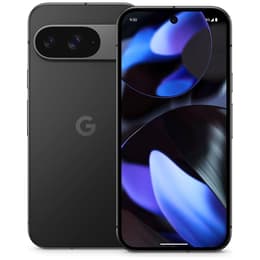
Google Pixel 9
Google Pixel 9
Starting at

Refurbished price:£327.25

Versus £890.22 new

See options
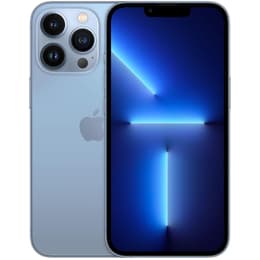
iPhone 13 Pro
iPhone 13 Pro
Starting at

Refurbished price:£232.00

Versus £949.00 new

See options

Ratings

The Google Pixel 9, released in 2024, and the iPhone 13 Pro, launched in 2021, represent two different eras of flagship smartphone technology. While the Pixel 9 showcases the latest advancements in software-driven features and modern hardware design, the iPhone 13 Pro remains a highly capable device known for its robust build and professional-grade camera system. These devices operate on distinct platforms—Android and iOS respectively—offering users different ecosystems for their apps and services. Choosing between them involves weighing the benefits of a newer, AI-integrated device against a seasoned flagship with a dedicated zoom lens.

The Pixel 9 introduces a fresh design language and a heavy emphasis on artificial intelligence, whereas the iPhone 13 Pro focuses on a refined user experience with high-quality materials and a versatile triple-camera array. Despite the three-year age gap, both handsets offer features that remain relevant for modern users, including high-refresh-rate displays and reliable battery performance. This comparison explores the practical differences that will help you decide which device better aligns with your daily habits and long-term needs.

Scores

Durability

When evaluating how long these devices will remain functional and secure, the release dates and manufacturer support policies play a significant role in their expected lifespan.

  • Software support duration: The Pixel 9 benefits from a commitment to seven years of operating system and security updates, meaning it is expected to receive support until 2031. In contrast, the iPhone 13 Pro typically follows a six-to-seven-year update cycle from its 2021 release, suggesting its primary software support may conclude around 2027 or 2028.
  • Repairability and parts: Both manufacturers have made strides in repairability, with the Pixel 9 offering accessible spare parts through established third-party partnerships. The iPhone 13 Pro is supported by a wide network of independent repair providers, though some internal components are more tightly integrated, which can influence the ease of certain hardware fixes.
  • Hardware longevity: The iPhone 13 Pro features a stainless steel frame and a ceramic-hardened front glass, providing a sturdy feel that resists daily wear. The Pixel 9 uses current-generation toughened glass on both sides and an aluminium frame, designed to meet modern durability standards for impact and scratch resistance.

Year of Release

2024

2021

Compatible with latest Update

Yes

Yes

OS

Android

iOS

Foldable

No

No

Performance

Performance in these handsets is defined by how smoothly they handle multitasking, demanding applications, and daily efficiency rather than just raw technical specifications.

  • System responsiveness: The Pixel 9 is equipped with a high amount of memory, which allows it to keep numerous apps open in the background and process complex AI tasks without slowing down. The iPhone 13 Pro, while having less physical memory, uses a highly efficient operating system that ensures smooth transitions and fast app loading times even years after its initial launch.
  • Battery behavior: Users will find that the Pixel 9 has a larger physical battery capacity, which is designed to comfortably last through a full day of varied use, including navigation and media streaming. The iPhone 13 Pro is noted for its power efficiency, though as a 2021 model, the battery health of older units may require more frequent charging compared to a newer device.
  • Storage and multitasking: The iPhone 13 Pro offers a wider range of storage options, reaching up to 1TB for users who store large video files locally. The Pixel 9 focuses on standard storage tiers but integrates cloud-based features and high-speed memory to assist with heavy multitasking and data-intensive processes.

Memory (GB)

12 GB

6 GB

Screen quality

The viewing experience on both devices is defined by vibrant colours and fluid motion, though they differ in brightness and physical dimensions.

  • Display technology and smoothness: Both phones utilise OLED technology, which provides deep blacks and high contrast for watching videos or viewing photos. They both feature a 120Hz refresh rate, meaning the screen updates 120 times per second to make scrolling through social media feeds and navigating menus feel exceptionally fluid.
  • Outdoor visibility: The Pixel 9 features a newer display panel capable of reaching very high peak brightness levels, making it easier to read text or view maps under direct sunlight. The iPhone 13 Pro also offers excellent brightness for most conditions, though it does not reach the same peak levels as the more recent Google handset.
  • Size and clarity: The Pixel 9 has a slightly larger 6.3-inch screen compared to the 6.1-inch display on the iPhone 13 Pro. While the iPhone has a slightly higher pixel density, providing a very sharp image, the difference is negligible for typical viewing distances, and both provide a clear, high-definition experience.

Resolution

1080 x 2424

1170 x 2532

Screen type

OLED

Super Retina XDR OLED

Audiovisual

Photography and video capabilities are a major differentiator, with one device offering more physical lenses and the other focusing on software-assisted enhancements.

  • Lens versatility: The iPhone 13 Pro features a triple-camera system, including a dedicated telephoto lens for 3x optical zoom, which is useful for capturing distant subjects without losing detail. The Pixel 9 uses a dual-camera setup consisting of a high-resolution main sensor and an ultrawide lens, relying on digital processing to handle zoomed-in shots.
  • Image processing: Google's handset is known for its consistent performance in challenging lighting and its suite of AI editing tools that allow users to adjust photos after they are taken. The iPhone 13 Pro is often preferred by those who value natural colour reproduction and a highly reliable shutter that captures moving subjects with minimal blur.
  • Video and audio: For video recording, the iPhone 13 Pro is widely regarded for its stability and professional-grade features like cinematic mode. Both devices feature high-quality microphones that effectively filter out background noise during calls or when recording voice memos in busy environments.

Main camera

50 megapixels

12 megapixels

Front camera

10.5 megapixels

12 megapixels

Miscellaneous

Practical daily features such as connectivity, biometric security, and physical handling can significantly impact the user experience over time.

  • Biometrics and ports: The Pixel 9 uses an under-display fingerprint sensor for quick unlocking and a modern USB-C port for charging and data transfer. The iPhone 13 Pro relies on facial recognition technology, which is highly secure and works well in various lighting, and it uses the proprietary Lightning port for its connections.
  • Connectivity standards: As a newer device, the Pixel 9 supports the latest Wi-Fi and Bluetooth standards, which can provide more stable connections in crowded areas. Both phones are fully compatible with 5G networks, ensuring fast mobile data speeds where the infrastructure is available.
  • Weight and handling: The iPhone 13 Pro is slightly heavier due to its stainless steel construction, giving it a dense, substantial feel in the hand. The Pixel 9 is marginally lighter and slightly taller, which may make it feel different when used with one hand or when carried in a pocket.

Weight

198 g

203 g

Width

7.198 cm

7,15 cm

Height

15.283 cm

14,67 cm

Depth

8.54 cm

0,76 cm

Screen size (in)

6.3

6.1

Mobile network

5G

5G

SIM card

Physical SIM + eSIM

Physical SIM + eSIM

Carrier compatibility

Unlocked

Unlocked

Connector

USB-C

Lightning

In summary, the choice between the Google Pixel 9 and the iPhone 13 Pro depends largely on whether you prioritise the latest software innovations or a classic flagship build with versatile hardware. User consensus on platforms like Reddit suggests that the Pixel 9 is highly praised for its long-term software commitment and its helpful AI features that simplify daily tasks. However, some users note that the iPhone 13 Pro still feels more robust in its physical construction and remains a favourite for those who frequently record video or need a dedicated zoom lens for photography.

Users who prioritise having the longest possible software support and the latest Android features will find the Pixel 9 to be a well-aligned choice. Conversely, those who are already integrated into the iOS ecosystem or who prefer the tactile feel of stainless steel and the utility of a telephoto lens may lean toward the iPhone 13 Pro. Both devices represent a sustainable choice for consumers looking to reduce their environmental impact. Opting for a quality-assured refurbished option is an eco-friendly alternative that allows you to enjoy flagship technology while contributing to a more circular economy. Ultimately, both handsets remain powerful tools capable of meeting the demands of modern smartphone users for several years to come.


See all articles

Our recent comparisons