Compare models
Galaxy A17 Vs Google Pixel 10
- 1-year minimum warranty
- Free delivery on all items
- Free 30-day returns
Differences at a glance
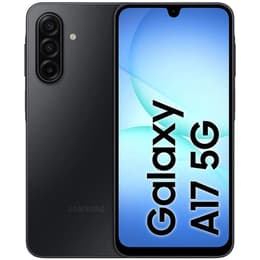
The Samsung Galaxy A17 (2025) and the Google Pixel 10 (2025) are modern smartphones designed to cater to different user priorities within the mobile market. While both devices run on the Android operating system, they approach hardware capability, daily usability, and software integration from distinct engineering philosophies.
Choosing between these two models involves balancing everyday practical necessities against advanced hardware capabilities, depending on individual daily habits and preferences.
Available Models
Colour
Storage
Scores
Durability
Both smartphones offer robust long-term software support frameworks, though they target durability through different physical and digital commitments.
- Software Support Duration: The Galaxy A17 provides an extensive multi-year major operating system update policy, while the Google Pixel 10 matches this with a similarly long-term update commitment extending several years into the future.
- Build Integrity: The Google Pixel 10 incorporates higher-tier dust and water resistance ratings alongside sturdy glass and metal construction, whereas the Galaxy A17 features a lighter composite build with basic splash protection.
- Expected Lifespan: Both devices are engineered to handle daily software requirements smoothly over a multi-year span, though users prioritizing rugged physical resilience may find the Pixel's hardware more durable against accidental drops.
Year of Release
2025
2025
OS
Android
Android
Foldable
No
No
Performance
System responsiveness and everyday multitasking capabilities differ due to varying internal hardware configurations and memory allocations.
- Multitasking and Memory: The Google Pixel 10 includes a larger random access memory pool that helps keep multiple demanding applications active simultaneously, while the Galaxy A17 handles routine background tasks and casual applications reliably with its standard memory configuration.
- App Loading and Daily Speed: Everyday tasks such as web browsing, messaging, and media streaming run fluidly on both devices, though the Pixel 10 delivers faster processing speeds for heavy gaming and intensive on-device processing.
- Battery Behavior: Both models feature large battery capacities designed to easily sustain moderate use through a full day, with efficient power management ensuring dependable longevity away from a charger.
Screen quality
Display technologies on both handsets offer bright, clear viewing experiences tailored to media consumption and daily navigation.
- Display Technology: The Galaxy A17 utilizes a vibrant Super AMOLED panel with deep contrast levels, while the Google Pixel 10 features a responsive Actua display equipped with an adaptive refresh rate for smooth scrolling.
- Outdoor Visibility: Peak brightness levels on the Pixel 10 allow for clear readability under direct sunlight, whereas the Galaxy A17 remains comfortably legible in standard outdoor daylight conditions.
- Size and Panel Smoothness: The Galaxy A17 provides a slightly larger screen real estate suited for reading and viewing media, while the Pixel 10 balances a more compact physical footprint with fluid high-refresh-rate transitions.
Resolution
1080x2340
1080x2424
Audiovisual
Photography and video recording suites vary significantly in hardware composition and computational image processing capabilities.
- Lens Configurations: The Google Pixel 10 introduces a versatile triple-lens rear setup featuring a dedicated telephoto zoom lens, whereas the Galaxy A17 relies on a dependable multi-lens system focused on everyday wide and macro photography.
- Low-Light and Processing: Google's advanced computational photography software excels at balancing difficult lighting conditions and capturing crisp details in dark environments, while Samsung provides reliable color reproduction and balanced exposure for casual snapshots.
- Media Output: Video recording on both units supports high-resolution capture with stable stabilization, making them well-suited for video calls and capturing daily memories. Choosing a quality-assured refurbished option can also provide access to these advanced camera suites in a sustainable choice for eco-conscious buyers.
Front camera
13MP
42 megapixels
Miscellaneous
Physical dimensions, connectivity standards, and daily handling characteristics define the ergonomic feel of each device.
- Handling and Weight: The Galaxy A17 offers a slim profile that rests comfortably in the hand, while the Google Pixel 10 has a slightly heavier, dense build that reflects its premium structural frame.
- Connectivity and Ports: Both models support modern 5G cellular networks, fast Wi-Fi standards, and reliable Bluetooth pairing, utilizing reversible USB-C ports for charging and data transfer.
- Authentication Sensors: Secure unlocking is handled via responsive biometric sensors integrated into the displays or power buttons, ensuring quick and effortless access to user data.
Weight
192 g
204 g
Screen size (in)
6.7
6.3
Mobile network
5G
5G
SIM card
Dual Physical SIM
Physical SIM + eSIM
Carrier compatibility
Unlocked
Unlocked
Connector
USB-C
USB-C
What the community thinks
User feedback from online communities highlights distinct preferences for each device based on everyday use cases. Owners of the Galaxy A17 frequently praise its dependable battery life, expansive display size, and the inclusion of long-term software updates in an accessible format. Conversely, Google Pixel 10 users often emphasize appreciation for the clean software interface, reliable low-light photography performance, and the addition of a dedicated telephoto lens for flexible framing. Common criticisms for the Galaxy A17 center on its basic gaming limitations, while some Pixel 10 users note that the device can run warm during extended intensive tasks.
Users who prioritize multimedia consumption on a larger screen and long-term software support within a straightforward device will find the Galaxy A17 well-suited to their needs. Meanwhile, users prioritizing advanced photography versatility, compact ergonomics, and powerful multitasking performance may lean toward the Google Pixel 10. Evaluating these core differences helps ensure that your final choice aligns seamlessly with your daily mobile habits.