Compare models
iPhone 15 Pro Vs iPhone Air
- 1-year minimum warranty
- Free delivery on all items
- Free 30-day returns
Differences at a glance
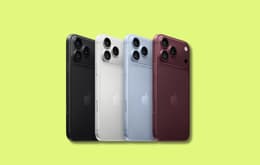
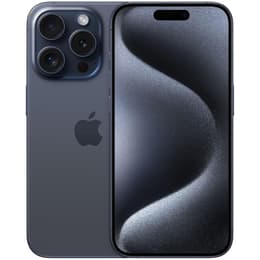
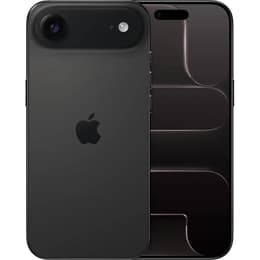
The iPhone 15 Pro (2023) and the iPhone Air (2025) represent two distinct approaches to smartphone engineering within Apple's ecosystem. While the iPhone 15 Pro focuses on compact professional-grade hardware, the iPhone Air prioritizes an ultra-slim profile and lightweight form factor. Both devices run on iOS and deliver fluid navigation, but they cater to different physical preferences and generation timelines.
Available Models
Colour
Storage
Scores
Durability
When evaluating longevity, the iPhone Air benefits from a newer release year, whereas the iPhone 15 Pro provides robust long-term architecture with established structural resilience.
- Release timeline and age: The iPhone 15 Pro launched in late 2023, while the iPhone Air arrived in late 2025, giving the latter a two-year advantage in its overall support window.
- Software longevity expectations: Both handsets receive multi-year operating system upgrades, though the newer release date of the iPhone Air naturally extends its active support timeline further into the future.
- Expected practical lifespan: Durable titanium framing on both models ensures solid everyday protection, though users seeking an extended software lifecycle often look to quality-assured refurbished options to maximize longevity sustainably.
Year of Release
2023
2025
Compatible with latest Update
Yes
Yes
OS
iOS
iOS
Foldable
No
No
Performance
Underneath the surface, these devices handle multitasking and demanding tasks smoothly, though they approach sustained processing efficiency differently.
- Storage options available: The iPhone 15 Pro starts with a compact capacity tier, while the iPhone Air begins at higher storage baselines for media-heavy workflows.
- System responsiveness: Both devices load heavy applications instantly and manage intensive multitasking without noticeable stutter, thanks to advanced internal processors and ample memory configurations.
- Battery behavior: The remarkably thin chassis of the iPhone Air houses a compact power cell that meets standard daily needs, while the slightly thicker build of the iPhone 15 Pro offers comparable endurance for typical day-to-day routines.
Screen quality
Visual output differs primarily in physical dimensions and panel technology, impacting media consumption and outdoor readability.
- Display technology: Both models utilize advanced OLED panels with deep contrast levels and high peak brightness capabilities for clear visibility under direct sunlight.
- Refresh rate and smoothness: Adaptive refresh rates scaling up to high frequencies ensure fluid scrolling, responsive touch tracking, and seamless animations across both screens.
- Screen size and viewing experience: The iPhone 15 Pro provides a compact viewing area suited for one-handed operation, whereas the iPhone Air features a larger screen real estate ideal for viewing documents and videos.
Resolution
1179 x 2556
2736x1260
Screen type
LTPO Super Retina XDR OLED
Super Retina XDR
Audiovisual
The photographic capabilities reflect their respective design philosophies, balancing multi-lens versatility with streamlined single-lens efficiency.
- Camera system capabilities: The iPhone 15 Pro features a multi-lens array including telephoto zoom options, while the iPhone Air relies on a single high-resolution main sensor housed within a slim camera plateau.
- Everyday photography: Both smartphones capture sharp details, accurate colors, and reliable low-light imagery for standard snapshots and casual memories.
- Audio and media output: Built-in microphone arrays deliver clear voice clarity during calls, while internal speaker configurations provide adequate sound output for casual media playback.
Main camera
48 megapixels
48 megapixels
Front camera
12 megapixels
18 megapixels
Miscellaneous
Practical usability details, connectivity standards, and physical handling characteristics define how each device feels in daily use.
- Handling and dimensions: The iPhone Air focuses heavily on a featherlight, ultra-slim profile, whereas the iPhone 15 Pro offers a heavier, more traditional handheld feel.
- Port types and connectivity: Both models utilize universal USB-C ports for charging and data transfer alongside modern wireless connectivity standards.
- Security sensors: Secure face recognition technology comes standard on both devices for fast authentication and secure sign-ins.
Weight
187 g
165 g
Screen size (in)
6.1
6.5
Mobile network
5G
5G
SIM card
Physical SIM + eSIM
eSIM
Carrier compatibility
Unlocked
Unlocked
Connector
USB-C
USB-C
What the community thinks
User feedback highlights distinct preferences for each device depending on daily workflow habits. Owners of the iPhone 15 Pro frequently praise its compact one-handed ergonomics and versatile multi-lens camera system, though some note that its battery requires daily replenishment during heavy usage periods. Conversely, adopters of the iPhone Air emphasize appreciation for its featherlight profile and expansive screen, though users with heavy multimedia demands occasionally point out the absence of optical zoom versatility.
Users prioritizing a compact form factor and multi-lens flexibility may prefer the iPhone 15 Pro, while users prioritizing an ultra-slim build and expansive display will lean toward the iPhone Air. Choosing a quality-assured refurbished option provides an eco-friendly alternative that supports sustainable consumption without compromising on performance. Ultimately, the decision rests on whether physical lightness or optical versatility best serves individual daily routines.