Galaxy S23 FE Vs iPhone 13

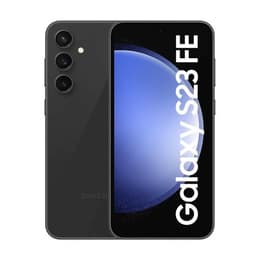
Galaxy S23 FE
Galaxy S23 FE
Starting at

Refurbished price:£173.00

Versus £605.75 new

See options
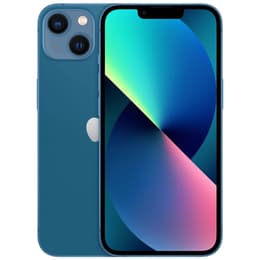
iPhone 13
iPhone 13
Starting at

Refurbished price:£204.00

Versus £599.00 new

See options

Ratings

The Samsung Galaxy S23 FE (2023) and the Apple iPhone 13 (2021) are two popular smartphones that cater to different user preferences within the Android and iOS ecosystems. While the Galaxy S23 FE is a more recent entry offering modern display technology and a versatile triple-camera system, the iPhone 13 remains a reliable performer known for its seamless software integration and compact design. Choosing between them involves weighing the benefits of a newer release against the long-term stability of Apple’s hardware and software synergy.

Scores

Durability

The Galaxy S23 FE and iPhone 13 offer different paths to longevity, influenced by their respective release dates and manufacturer support policies.

  • Software Support: The Galaxy S23 FE, launched in late 2023, benefits from Samsung's commitment to four generations of Android OS updates and five years of security patches, likely extending its functional life until 2028. The iPhone 13, despite being older, follows Apple's tradition of long-term support, typically receiving iOS updates for six to seven years, which aligns its expected software sunset around the same period.
  • Physical Resilience: Both devices feature robust builds with aluminium frames and water resistance ratings. The iPhone 13 uses a specialised glass ceramic for its front cover, while the S23 FE employs established toughened glass on both sides.
  • Repairability: Users will find that both manufacturers have made strides in offering repair programmes, though the modular nature of certain internal components in the S23 FE may slightly simplify specific hardware fixes compared to the more integrated assembly of the iPhone 13.

Year of Release

2023

2021

Compatible with latest Update

Yes

Yes

OS

Android

iOS

Foldable

No

No

Performance

Everyday responsiveness and multitasking capabilities differ between these two devices due to their internal architectures and memory management.

  • System Fluidity: The Galaxy S23 FE handles demanding applications and heavy multitasking with ease, aided by a higher amount of temporary memory which allows more apps to stay active in the background. The iPhone 13, while having less physical memory, uses highly efficient software optimisations to ensure that transitions remain smooth and app launches feel instantaneous.
  • Battery Endurance: In typical daily use, the Galaxy S23 FE carries a larger physical battery capacity to power its advanced features, generally lasting through a full day of mixed tasks. The iPhone 13 is noted for its power efficiency, often matching the endurance of larger devices by managing background processes strictly.
  • Storage and Utility: Both models offer various internal storage capacities to house photos and files, though neither supports expandable storage, making the initial choice of capacity an important consideration for long-term use.

Memory (GB)

8 GB

4 GB

Screen quality

The viewing experience is one of the most noticeable differences between these two handsets, affecting everything from reading text to watching videos.

  • Motion Smoothness: The Galaxy S23 FE features a high refresh rate display that updates 120 times per second, resulting in exceptionally fluid scrolling and animations. In contrast, the iPhone 13 maintains a standard 60Hz refresh rate, which is stable and clear but lacks the same level of perceived smoothness during fast-paced movement.
  • Display Technology: Both phones utilise OLED technology, providing deep blacks and high contrast ratios. The S23 FE offers a slightly larger 6.4-inch screen, providing more real estate for media, while the iPhone 13’s 6.1-inch display is praised for its colour accuracy and high peak brightness, making it easy to view even in direct sunlight.
  • Visual Clarity: The resolution on both devices ensures that text appears sharp and images are detailed, though the S23 FE’s larger canvas may be preferred by those who frequently consume video content or play mobile games.

Resolution

1080 x 2340

1170 x 2532

Screen type

Dynamic AMOLED 2X

Super Retina XDR OLED

Audiovisual

Photography enthusiasts will find distinct hardware configurations that change how they capture the world around them.

  • Lens Versatility: The Galaxy S23 FE includes a dedicated telephoto lens, allowing for 3x optical zoom without losing detail, which is a significant advantage for capturing distant subjects. The iPhone 13 relies on a dual-camera system, lacking a dedicated zoom lens, which means it uses digital cropping for closer shots.
  • Image Processing: Samsung’s system tends to produce vibrant, punchy colours that are ready for social media, while Apple’s processing focuses on natural skin tones and consistent exposure across different lighting conditions.
  • Video and Audio: The iPhone 13 is frequently cited for its stable video recording and high-quality microphone pickup, making it a favourite for casual videographers. The S23 FE counters with high-resolution video options and robust stabilisation that performs well in various environments.

Main camera

50 megapixels

12 megapixels

Front camera

10 megapixels

12 megapixels

Miscellaneous

Beyond the core specs, the physical handling and connectivity of these devices impact daily convenience.

  • Physical Dimensions: The iPhone 13 is noticeably lighter and more compact, making it easier to operate with one hand or fit into smaller pockets. The Galaxy S23 FE is larger and heavier, which provides a more substantial feel but may require two-handed use for some tasks.
  • Connectivity and Ports: The S23 FE uses the universal USB-C port for charging and data transfer, aligning with most modern electronics. The iPhone 13 uses the proprietary Lightning port, which may require specific cables if you are not already in the Apple ecosystem. Both support 5G for fast mobile data.
  • Security Features: For unlocking the device, the S23 FE uses an optical sensor hidden under the display, while the iPhone 13 relies on facial recognition technology, which users find highly secure and convenient for hands-free access.

Weight

209 g

173 g

Screen size (in)

6.4

6.1

Mobile network

5G

5G

SIM card

Dual Physical SIM

Physical SIM + eSIM

Carrier compatibility

Unlocked

Unlocked

User feedback from various tech communities highlights the specific strengths that define the ownership experience for both the Galaxy S23 FE and the iPhone 13. Owners of the Galaxy S23 FE often praise the versatility of its camera and the smoothness of its 120Hz screen. However, some users note that its larger size makes it less pocket-friendly than other models. iPhone 13 users frequently highlight the device's reliability, the simplicity of the iOS interface, and its comfortable, compact form factor, though some miss having a dedicated zoom lens for photography.

Users who prioritise a modern, fluid display and the ability to zoom in on subjects will likely find the Galaxy S23 FE better suited to their needs. Conversely, those who prefer a smaller, lightweight device with a straightforward user experience and long-term software consistency may lean toward the iPhone 13.

For those looking to make an eco-friendly choice, both devices are available as a quality-assured refurbished option. Choosing a sustainable choice like a refurbished handset not only reduces electronic waste but also provides a high-performance device that has been thoroughly tested for reliability. Ultimately, both smartphones remain capable contenders in 2026, offering distinct advantages depending on whether you value hardware versatility or ecosystem integration.

See all articles

Our recent comparisons