Compare models
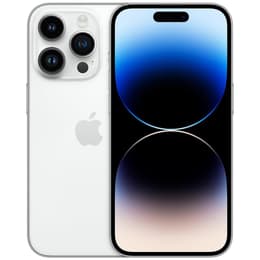
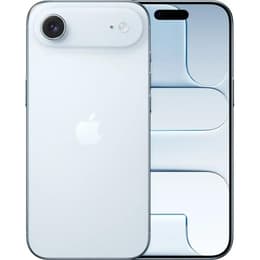
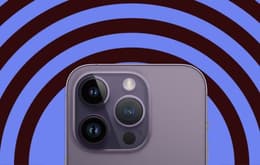
iPhone 14 Pro Vs iPhone Air
- 1-year minimum warranty
- Free delivery on all items
- Free 30-day returns
Differences at a glance
The iPhone 14 Pro (2022) and the iPhone Air (2025) represent two distinct approaches to smartphone design within Apple's ecosystem. While the iPhone 14 Pro delivers a traditional, feature-dense flagship experience in a compact footprint, the iPhone Air prioritizes a breakthrough ultra-slim profile and a larger viewing area. Operating on different generations of software out of the box, these devices cater to users looking for contrasting balances of physical form factor and daily capability.
Available Models
Colour
Storage
Scores
Durability
When evaluating structural longevity and software support, both devices offer robust lifespans backed by high-grade materials, though their release timelines create natural differences in support longevity.
- Release Timeline and Software Support: The iPhone 14 Pro debuted in 2022 and follows a standard multi-year software update window, whereas the newer iPhone Air benefits from a significantly extended lifecycle for future operating system updates.
- Repairability and Build Integrity: Both models utilize durable frame materials and glass construction, receiving favorable repairability scores within the industry while maintaining structural reliability under everyday handling conditions.
Year of Release
2022
2025
Compatible with latest Update
Yes
Yes
OS
iOS
iOS
Foldable
No
No
Performance
Underneath the exterior, these devices handle multitasking, intensive applications, and power management through distinct hardware generations tailored to varied daily demands.
- System Responsiveness and Multitasking: The iPhone Air handles demanding apps, graphics-heavy gaming, and swift multitasking with advanced processing architecture, while the iPhone 14 Pro offers smooth, reliable performance for everyday workflows and established applications.
- Battery Behavior and Power Management: The iPhone 14 Pro provides consistent battery endurance for standard daily use, whereas the ultra-thin profile of the iPhone Air houses a specialized battery capacity optimized for efficiency across daily tasks.
Screen quality
Visual immersion and panel characteristics differ notably between the two models in terms of physical screen dimensions and viewing comfort.
- Display Technology and Size: The iPhone 14 Pro features a compact 6.1-inch OLED display, while the iPhone Air incorporates a larger 6.5-inch OLED screen, both delivering deep contrast levels and sharp details.
- Brightness and Motion Smoothness: Both devices support high refresh rate technology for smooth scrolling and high peak brightness levels, ensuring readability under direct sunlight and outdoor environments.
Resolution
1179 x 2556
2736x1260
Screen type
LTPO Super Retina XDR OLED
Super Retina XDR
Audiovisual
Multimedia capture and audio output capabilities reflect different engineering priorities between a multi-lens setup and a streamlined single-camera architecture.
- Camera System Architecture: The iPhone 14 Pro utilizes a versatile multi-lens rear camera system including a dedicated telephoto lens for optical zoom, whereas the iPhone Air features a single high-resolution primary camera integrated into its slim chassis.
- Audio and Video Recording: Both phones capture detailed high-definition video and deliver clear audio output for media consumption, though users focused on diverse photographic focal lengths will find distinct advantages in the multi-lens configuration.
Main camera
48 megapixels
48 megapixels
Front camera
12 megapixels
18 megapixels
Miscellaneous
Physical handling characteristics and connectivity standards define how each device integrates into daily travel and accessory ecosystems.
- Dimensions and Weight: The iPhone Air introduces a remarkably thin and lightweight titanium build that minimizes pocket footprint, while the iPhone 14 Pro offers a heavier, more traditional profile with substantial in-hand weight.
- Connectivity and Ports: Both models support modern high-speed wireless networks and utilize USB-C connectivity, providing seamless integration with contemporary charging accessories and data peripherals.
Weight
206 g
165 g
Screen size (in)
6.1
6.5
Mobile network
5G
5G
SIM card
Physical SIM + eSIM
eSIM
Carrier compatibility
Unlocked
Unlocked
Connector
Lightning
USB-C
What the community thinks
User feedback highlights distinct preferences for each device across community forums. Owners of the iPhone 14 Pro frequently praise its reliable multi-lens camera versatility and comfortable one-handed usability, though some note its heavier weight during extended reading sessions. Conversely, users gravitate toward the iPhone Air for its striking featherlight construction and expansive screen real estate, while occasionally mentioning trade-offs in specialized zoom photography.
Users prioritizing a lightweight physical profile and a larger viewing area will find the iPhone Air well-suited to their daily routines, while users prioritizing optical zoom flexibility and a compact form factor may prefer the iPhone 14 Pro. For those seeking a sustainable choice, a quality-assured refurbished option provides an eco-friendly alternative that extends device life cycles without compromising functional integrity.