Galaxy Z Fold4 Vs iPhone 12

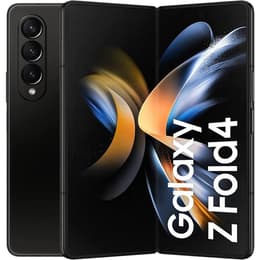
Galaxy Z Fold4
Galaxy Z Fold4
Starting at

Refurbished price:£352.00

Versus £1,889.00 new

See options
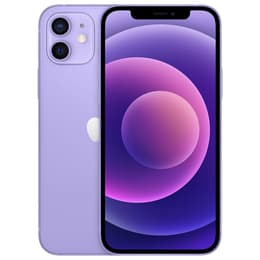
iPhone 12
iPhone 12
Starting at

Refurbished price:£141.00

Versus £649.00 new

See options

Ratings

The Samsung Galaxy Z Fold4 (2022) and the Apple iPhone 12 (2020) represent two distinct eras and philosophies in smartphone design. While the Galaxy Z Fold4 is a versatile foldable device that functions as both a phone and a small tablet, the iPhone 12 is a classic, flat-screen smartphone that focuses on a streamlined user experience. These devices run on Android and iOS respectively, offering different software ecosystems that cater to varying user preferences for customisation and simplicity. Understanding their differences is key for anyone choosing between a traditional form factor and a modern foldable design.

Scores

Durability

The age difference between these two models plays a significant role in their expected software longevity and physical durability over time.

  • Software Longevity: The Galaxy Z Fold4 was released two years after the iPhone 12, meaning it will likely receive official software updates and security patches for a longer period into the future. While Apple is known for providing long-term support for its devices, the iPhone 12 is closer to the end of its major update cycle compared to the newer Samsung model.
  • Physical Resilience: The iPhone 12 features a rigid design with Ceramic Shield glass, which is built to withstand daily drops and impacts effectively. In contrast, the Galaxy Z Fold4 includes a complex hinge and a flexible internal screen that requires more careful handling to prevent damage to the folding mechanism.
  • Sustainable Choice: Opting for a quality-assured refurbished option for either of these devices is an eco-friendly alternative that extends the life of existing hardware and reduces environmental impact.

Year of Release

2022

2020

Compatible with latest Update

Yes

Yes

OS

Android

iOS

Foldable

Yes

No

Performance

Both smartphones are capable of handling modern applications, though they offer different experiences when it comes to multitasking and heavy workloads.

  • Multitasking and Productivity: The Galaxy Z Fold4 is specifically designed for high-level productivity, allowing users to run multiple applications side-by-side on its expansive internal display without any loss in responsiveness. The iPhone 12 provides a smooth and fast experience for single-tasking and quick app switching, maintaining a consistent speed across the operating system.
  • Battery Behaviour: With its larger physical battery, the Galaxy Z Fold4 is built to power two screens throughout a full day of use, though heavy use of the internal display will increase power consumption. The iPhone 12 uses efficient power management to ensure the device lasts through a standard day of calls, messaging, and browsing.
  • System Responsiveness: Users will find that both devices handle demanding tasks like mobile gaming and photo editing with ease, though the Galaxy Z Fold4 offers more memory to keep a larger number of apps ready in the background.

Memory (GB)

12 GB

4 GB

Screen quality

The display technology is the most significant differentiator between these two devices, affecting everything from media consumption to daily navigation.

  • Display Versatility: The Galaxy Z Fold4 features a unique dual-screen setup, with a 6.2-inch outer display for quick interactions and a large 7.6-inch internal AMOLED screen for immersive viewing. The iPhone 12 uses a single 6.1-inch OLED panel that delivers high contrast and accurate colours in a more compact format.
  • Visual Fluidity: The Galaxy Z Fold4 supports a high refresh rate on both of its screens, resulting in much smoother scrolling and more fluid animations when navigating menus or playing games. The iPhone 12 operates at a standard refresh rate, which provides a stable and clear visual experience but lacks the extra smoothness found on the Samsung.
  • Viewing Experience: For users who watch a lot of video or read digital documents, the square-like aspect ratio of the Fold4's internal screen offers a significantly larger canvas than the traditional widescreen layout of the iPhone 12.

Resolution

1812 x 2176

1170 x 2532

Screen type

Foldable Dynamic AMOLED 2X

Super Retina XDR OLED

Audiovisual

The camera systems on these devices are tailored to different types of photography, from casual snapshots to more advanced compositions.

  • Optical Zoom and Versatility: The Galaxy Z Fold4 is equipped with a triple-camera array that includes a dedicated telephoto lens for clear zoomed-in photos, whereas the iPhone 12 features a dual-camera system focused on wide and ultra-wide perspectives. This makes the Samsung more versatile for capturing distant subjects.
  • Image Processing: Both phones excel in everyday photography, with the iPhone 12 known for its natural colour reproduction and consistent exposure. The Galaxy Z Fold4 produces vibrant, detailed images that are well-suited for social media and professional sharing.
  • Video and Audio Quality: The iPhone 12 is highly regarded for its stable video recording and clear audio capture, making it a reliable choice for content creators. The Galaxy Z Fold4 offers unique video features, such as the ability to use the cover screen as a viewfinder for the main cameras, and provides loud, clear stereo sound.

Main camera

50 megapixels

12 megapixels

Front camera

4 megapixels

12 megapixels

Miscellaneous

Practical features such as connectivity, biometrics, and physical dimensions define how these devices fit into a user's daily routine.

  • Connectivity and Ports: Both smartphones support 5G for fast mobile internet and include modern Wi-Fi standards. However, the Galaxy Z Fold4 uses a USB-C port, which is compatible with a wide range of modern accessories, while the iPhone 12 uses the Lightning connector.
  • Biometric Security: The Galaxy Z Fold4 features a fingerprint sensor integrated into the side power button, allowing for quick unlocking even when the device is closed. The iPhone 12 uses facial recognition technology, which provides a secure and hands-free way to access the phone.
  • Handling and Weight: The iPhone 12 is much lighter and thinner, making it comfortable for long periods of one-handed use. The Galaxy Z Fold4 is a heavier device that feels more substantial in the hand, reflecting its dual-screen hardware and complex internal engineering.

Weight

263 g

164 g

Screen size (in)

7.6

6.1

Mobile network

5G

5G

SIM card

Dual Physical SIM + eSIM

Physical SIM + eSIM

Carrier compatibility

Unlocked

Unlocked

Public consensus from user forums suggests that the Samsung Galaxy Z Fold4 is highly valued by those who need a portable workstation. Users often praise the expansive screen for reading and multitasking, though some express concerns about the long-term durability of the folding screen and the overall bulk of the device. On the other hand, the iPhone 12 is frequently commended for its straightforward reliability, excellent build quality, and the seamless way it works with other devices in the same ecosystem. Some users note that its battery life is less impressive than newer models and that the screen lacks the high refresh rate found on more recent competitors.

Users who prioritise a large, tablet-like workspace for productivity, media consumption, and advanced camera zoom will find the Galaxy Z Fold4 aligns well with their requirements. Those who prefer a lightweight, durable, and easy-to-use smartphone that fits comfortably in a pocket may lean toward the iPhone 12. Choosing an eco-friendly, quality-assured refurbished option is a sustainable way to acquire either of these high-performing devices. Ultimately, the decision rests on whether a user values the innovative versatility of a foldable screen or the proven simplicity of a traditional smartphone design.

See all articles

Our recent comparisons