
Galaxy S21 5G Vs Google Pixel 6

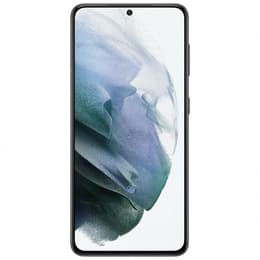
Galaxy S21 5G
Galaxy S21 5G
Starting at

Refurbished price:£128.00

Versus £829.00 new

See options
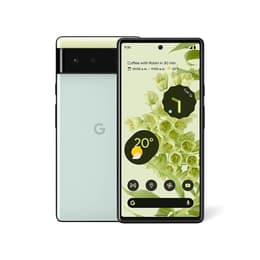
Google Pixel 6
Google Pixel 6
Starting at

Refurbished price:£101.00

Versus £649.99 new

See options

Ratings

The Samsung Galaxy S21 5G, released in early 2021, and the Google Pixel 6, launched in late 2021, represent two distinct approaches to the modern Android smartphone experience. While both devices were flagship contenders in their launch year, they cater to different user priorities through their design philosophies and software integrations. The Galaxy S21 5G focuses on a compact, ergonomic form factor with a high-frequency display, whereas the Google Pixel 6 introduces a bold aesthetic and a focus on Google's specific vision for mobile photography and software intelligence.

Both smartphones operate on the Android operating system, but the user experience differs significantly due to their respective software skins. Samsung utilises One UI, which is known for its extensive customisation options and productivity features. In contrast, the Pixel 6 offers a more streamlined version of Android, often referred to as the Pixel UI, which prioritises simplicity and immediate access to Google's latest software innovations. Understanding these core differences is essential for users deciding between these two capable devices in 2026.

Scores

Durability

When evaluating the longevity of these two devices, users must consider both the physical build quality and the manufacturer's commitment to ongoing software support and security updates.

  • Software Support Timeline: The Galaxy S21 5G was launched with a promise of four generations of Android OS updates and five years of security patches, meaning its primary update cycle is nearing its conclusion. The Pixel 6 launched with a commitment to three years of OS updates and five years of security support, placing both devices on a similar trajectory for software relevance in the coming years.
  • Build Durability and Materials: Samsung opted for a reinforced polycarbonate back on the S21, which is highly resistant to cracks from drops, while the Pixel 6 features a traditional glass back that offers a different tactile feel but may require more careful handling. Both devices feature high-grade aluminium frames and water resistance ratings that protect against accidental submersions.
  • Repairability and Maintenance: Both manufacturers have made strides in making parts more accessible for repairs, though the Galaxy S21's internal layout is often cited by technicians as being slightly more modular. As these devices age, the availability of replacement batteries and screens remains consistent, helping to extend their practical lifespan for several more years.

Year of Release

2021

2021

Compatible with latest Update

Yes

Yes

OS

Android

Android

Foldable

No

No

Performance

Performance in these devices is defined by how smoothly they handle daily tasks, from switching between multiple apps to managing power consumption throughout a busy day.

  • System Responsiveness: The Galaxy S21 5G is engineered for high-speed interactions, providing a fluid experience when navigating the interface or launching demanding applications. Choosing a quality-assured refurbished option ensures this level of responsiveness remains consistent, as these devices are tested to perform at their original standards.
  • Multitasking and Memory: Both smartphones are equipped with 8GB of RAM, which is sufficient for keeping several apps open in the background without frequent reloading. This allows for efficient transitions between work tools, social media, and media playback, ensuring that the system does not lag during intensive multitasking sessions.
  • Battery Management: The Pixel 6 houses a physically larger battery capacity compared to the S21, which often translates to longer standby times for users who are away from a charger for extended periods. However, the Galaxy S21 employs sophisticated power-saving software that helps its smaller battery last through a standard day of moderate use by adjusting background activity.

Memory (GB)

8 GB

8 GB

Screen quality

The display is the primary interface for any smartphone user, and these two models offer different visual experiences based on their size and underlying technology.

  • Refresh Rate and Smoothness: The Galaxy S21 5G features a display capable of a 120Hz refresh rate, which makes scrolling through lists and animations appear exceptionally smooth. The Pixel 6 offers a 90Hz refresh rate, which is a significant improvement over standard screens but does not quite match the fluid motion found on the Samsung device.
  • Brightness and Outdoor Visibility: Samsung's display technology is known for reaching high peak brightness levels, making the S21 easier to read under direct sunlight. While the Pixel 6 provides a clear and vibrant viewing experience indoors, users may find themselves needing to shield the screen or increase brightness to the maximum when using it outdoors on bright days.
  • Size and Handling: With a 6.2-inch screen, the S21 is noticeably more compact and easier to operate with one hand. The Pixel 6 features a larger 6.4-inch display, providing more screen real estate for watching videos or reading long articles, though this comes at the cost of a larger overall footprint that may feel substantial in smaller hands.

Resolution

1080 x 2400

1080 x 2400

Screen type

Dynamic AMOLED 2X

AMOLED

Audiovisual

Photography and video capabilities are often the deciding factor for many users, with both devices offering sophisticated sensor arrays and image processing.

  • Versatility and Zoom: The Galaxy S21 5G includes a dedicated telephoto lens, allowing users to capture clearer images from a distance using optical-style zoom. The Pixel 6 lacks a dedicated zoom lens, instead relying on advanced software algorithms to crop into images, which works well for moderate distances but lacks the hardware-level detail of the Samsung at higher zoom levels.
  • Image Processing Style: Google is renowned for its computational photography, which produces images with high contrast and realistic skin tones, particularly in challenging lighting. Samsung tends to produce more vibrant, saturated colours that many users find appealing for social media sharing without the need for additional editing.
  • Video and Audio Capture: Both devices support high-resolution video recording with effective electronic stabilisation to smooth out shaky hands. The Pixel 6 is often praised for its microphone clarity during video recording, while the Galaxy S21 offers more manual controls for users who want to fine-tune their video settings during capture.

Main camera

12 megapixels

50 megapixels

Front camera

10 megapixels

8 megapixels

Miscellaneous

Beyond the core specifications, several practical features influence the daily handling and convenience of these two smartphones.

  • Biometric Security: The Galaxy S21 5G uses an ultrasonic fingerprint sensor embedded under the glass, which is generally faster and more reliable even if fingers are slightly damp. The Pixel 6 uses an optical sensor that shines a light to read the fingerprint, which some users report can be slightly slower in comparison.
  • Weight and Dimensions: There is a significant difference in weight, with the Pixel 6 weighing approximately 207 grams compared to the much lighter 169 grams of the Galaxy S21. This makes the Samsung device more comfortable for long periods of one-handed use or for carrying in a pocket.
  • Connectivity and Ports: Both phones support 5G connectivity for fast mobile data and use USB-C for charging and data transfer. Neither device includes a traditional 3.5mm headphone jack, meaning users will need to rely on wireless Bluetooth connections or a USB-C adapter for wired audio.

Weight

169 g

207 g

Screen size (in)

6.2

6.4

Mobile network

5G

5G

SIM card

Dual Physical SIM + eSIM

Physical SIM + eSIM

Carrier compatibility

Unlocked

Unlocked

In summary, the choice between the Galaxy S21 5G and the Google Pixel 6 depends largely on a user's preference for size, screen fluidity, and photographic style. User consensus on community forums often highlights the Galaxy S21 for its comfortable, lightweight design and the impressive smoothness of its 120Hz display. Conversely, the Pixel 6 is frequently praised for its unique design and the high quality of its still photography, though some users have noted that its fingerprint sensor and larger weight can be minor points of contention.

Users who prioritise a compact device that is easy to handle and offers a top-tier screen experience for gaming or browsing will likely find the Galaxy S21 5G better suited to their needs. Those who prefer a larger screen for media consumption and want a camera system that excels at capturing natural-looking photos with minimal effort may lean toward the Google Pixel 6. Both devices remain highly capable in 2026, handling modern applications with ease and providing reliable connectivity.

For those looking to balance these features with environmental responsibility, selecting an eco-friendly alternative through refurbishment is a practical way to extend the life of these capable smartphones. This sustainable choice ensures that high-quality technology remains in use, reducing the demand for new resources while providing users with a thoroughly tested and reliable device. Ultimately, both the Samsung and Google models offer a robust Android experience that continues to serve users well years after their initial release.


See all articles

Our recent comparisons