Google Pixel 6 Vs iPhone 14 Pro Max

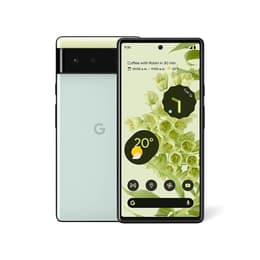
Google Pixel 6
Google Pixel 6
Starting at

Refurbished price:£101.00

Versus £649.99 new

See options
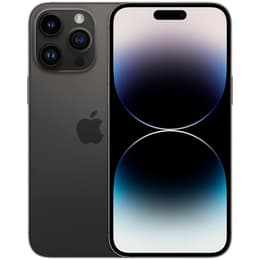
iPhone 14 Pro Max
iPhone 14 Pro Max
Starting at

Refurbished price:£325.00

Versus £1,199.00 new

See options

Ratings

The Google Pixel 6, released in October 2021, and the iPhone 14 Pro Max, launched in September 2022, represent distinct approaches to high-end smartphone design and functionality. While both devices offer premium experiences, they differ significantly in their operating systems, camera capabilities, and display technologies. The Pixel 6 operates on Android, emphasizing Google's software innovations, whereas the iPhone 14 Pro Max runs on iOS, known for its integrated ecosystem and advanced hardware features.

Scores

Durability

The longevity of a smartphone is influenced by its release date, software support, and physical durability. These two devices offer different timelines for ongoing support and varying build characteristics.

  • Release Timeline: The Google Pixel 6 was introduced in October 2021, making it an older model compared to the iPhone 14 Pro Max, which arrived in September 2022. This difference in release year impacts their respective software support cycles.
  • Software Longevity: The Pixel 6 typically received three years of major Android operating system updates and five years of security updates from its release, meaning its OS update cycle likely concluded in late 2024, with security updates continuing until late 2026. The iPhone 14 Pro Max, conversely, can expect a longer period of iOS updates, generally ranging from five to seven years from its launch, extending its software relevance potentially until 2027-2029.
  • Physical Durability: Both devices feature robust construction with IP68 ratings for water and dust resistance. The Pixel 6 uses Corning Gorilla Glass Victus on the front and Gorilla Glass 6 on the back, while the iPhone 14 Pro Max incorporates Apple's Ceramic Shield on the front and a textured matte glass back, framed by stainless steel.

Year of Release

2021

2022

Compatible with latest Update

Yes

Yes

OS

Android

iOS

Foldable

No

No

Performance

Performance is a key differentiator, with each device offering a powerful user experience tailored by its respective hardware and software optimization.

  • System Responsiveness: The Pixel 6, powered by its custom-designed processor, delivers a fluid experience for everyday tasks and handles demanding applications and games effectively. The iPhone 14 Pro Max, featuring a newer generation processor, provides ample power for intensive multitasking and offers smooth, lag-free performance even with the most graphically demanding applications.
  • Multitasking and Storage: The Pixel 6 typically comes with 8GB of RAM and storage options up to 256GB, facilitating efficient multitasking and app management. The iPhone 14 Pro Max is equipped with 6GB of RAM and offers a wider range of storage configurations, extending up to 1TB, catering to users with extensive storage needs.
  • Battery Behavior: The Pixel 6 houses a 4614 mAh battery, with Google claiming over 30 hours of use on a single charge. User experiences vary, but it generally provides a full day of moderate use. The iPhone 14 Pro Max, with a 4323 mAh battery, is noted for its extended endurance, often lasting through a full day of heavy usage, with independent tests showing an average of over 13 hours of active use.

Memory (GB)

8 GB

6 GB

Screen quality

The display is a primary interface for users, and both devices offer high-quality screens with distinct characteristics.

  • Display Technology and Clarity: The Google Pixel 6 features a 6.4-inch AMOLED display with a resolution of 1080x2400 pixels, providing vibrant colors and deep blacks. The iPhone 14 Pro Max boasts a larger 6.7-inch LTPO Super Retina XDR OLED display with a higher resolution of 2796x1290 pixels, offering exceptional clarity and detail.
  • Refresh Rate and Smoothness: The Pixel 6 has a 90Hz refresh rate, which contributes to a smoother scrolling experience compared to standard 60Hz displays. The iPhone 14 Pro Max features ProMotion technology with an adaptive refresh rate that can scale from 1Hz to 120Hz, providing highly fluid animations and responsiveness while optimizing power consumption.
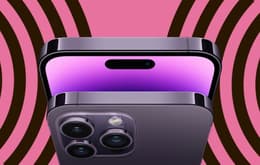
  • Brightness and Features: The iPhone 14 Pro Max offers significantly higher peak brightness, reaching up to 2000 nits outdoors, making it highly visible in bright sunlight. It also includes an Always-On display and the Dynamic Island, which integrates notifications and activities into a dynamic area around the front camera. The Pixel 6's display also supports HDR for enhanced contrast and color.

Resolution

1080 x 2400

1290 x 2796

Screen type

AMOLED

LTPO Super Retina XDR OLED

Audiovisual

Both smartphones are recognized for their advanced camera systems, though they excel in different aspects of photography and videography.

  • Rear Camera Systems: The Google Pixel 6 features a dual-camera setup with a 50MP main sensor and a 12MP ultrawide lens, known for its strong computational photography capabilities that enhance image quality. The iPhone 14 Pro Max offers a versatile triple-camera system, including a 48MP main sensor, a 12MP ultrawide, and a 12MP telephoto lens, providing 3x optical zoom.
  • Photography Performance: The Pixel 6 is praised for its accurate color reproduction, excellent dynamic range, and impressive Night Sight mode for low-light conditions. It also includes unique features like Magic Eraser for object removal. The iPhone 14 Pro Max excels in capturing detailed images across various lighting conditions, benefiting from its larger sensor and Photonic Engine, and offers advanced features like Apple ProRAW for professional-grade editing.
  • Video Recording and Audio: The Pixel 6 supports 4K video recording at 60 frames per second from its rear camera. The iPhone 14 Pro Max offers extensive video capabilities, including 4K HDR recording at 60fps, Cinematic Mode for shallow depth-of-field effects, and Action Mode for stabilized handheld footage. Both devices provide clear audio recording for calls and media.

Main camera

50 megapixels

48 megapixels

Front camera

8 megapixels

12 megapixels

Miscellaneous

Beyond core features, several practical elements contribute to the overall user experience and differentiate these two devices.

  • Connectivity and Ports: The Google Pixel 6 supports Wi-Fi 6E and Bluetooth 5.2, along with 5G connectivity, and features a USB-C 3.1 port for charging and data transfer. The iPhone 14 Pro Max includes Wi-Fi 6, Bluetooth 5.3, 5G, and Ultra Wideband (UWB) support, utilizing a Lightning port for connectivity.
  • Biometric Security: The Pixel 6 incorporates an in-display optical fingerprint sensor for secure unlocking and authentication. The iPhone 14 Pro Max relies on Face ID, an advanced facial recognition system, for biometric security.
  • Physical Design and Handling: The Pixel 6 measures 158.6 x 74.8 x 8.9 mm and weighs 207g, offering a comfortable grip for many users. The iPhone 14 Pro Max is a larger and heavier device at 160.7 x 77.6 x 7.85 mm and 240g, which might appeal to users preferring a more substantial feel and larger screen real estate.

Weight

207 g

120 g

Screen size (in)

6.4

6.7

Mobile network

5G

5G

SIM card

Physical SIM + eSIM

Physical SIM + eSIM

Carrier compatibility

Unlocked

Unlocked

User feedback for the Google Pixel 6 often highlights its exceptional camera performance, particularly its computational photography features, and the clean, intuitive Android experience. Some users have noted mixed reactions regarding its in-display fingerprint sensor and battery life. The iPhone 14 Pro Max generally receives praise for its robust build quality, vibrant display, powerful performance, and versatile camera system, with its extended battery life frequently cited as a significant advantage.

For users who prioritize an unadulterated Android experience, advanced computational photography, and a slightly more compact form factor, the Google Pixel 6 could be a suitable choice. Its USB-C port also offers broader compatibility with existing accessories. Conversely, individuals seeking a larger display with a higher refresh rate, a comprehensive camera system with telephoto capabilities, and a longer software support window may find the iPhone 14 Pro Max better suited to their needs. Its Face ID system and integrated iOS ecosystem are also key considerations.

Both devices offer compelling features for different user preferences. Exploring quality-assured refurbished options for either model can provide an eco-friendly alternative, extending the life of these devices and offering a sustainable choice for consumers.


See all articles

Our recent comparisons