iPhone 12 mini Vs Sony Xperia 5 IV

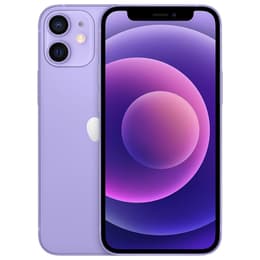
iPhone 12 mini
iPhone 12 mini
Starting at

Refurbished price:£126.00

Versus £579.00 new

See options
Sony Xperia 5 IV
Sony Xperia 5 IV
Starting at

Refurbished price:£299.00

Versus £1,199.00 new

See options

Ratings

The iPhone 12 Mini (2020) and the Sony Xperia 5 IV (2022) represent two distinct approaches to the compact smartphone market. While the iPhone 12 Mini was designed to offer a truly diminutive footprint for one-handed use within the iOS ecosystem, the Sony Xperia 5 IV arrived two years later as a taller, narrow alternative for those who prefer the flexibility of Android. These devices cater to users who find modern flagship phones cumbersome, yet they offer very different hardware priorities and software experiences.

The primary differentiator between these two models lies in their physical proportions and battery philosophy. The iPhone 12 Mini prioritises absolute lightness and portability, whereas the Sony Xperia 5 IV focuses on multimedia endurance and professional-grade camera controls. Both devices remain relevant for users seeking a smaller device that does not compromise on core processing power or build quality.

Scores

Durability

When evaluating how long these devices will remain functional and secure, the difference in release dates and manufacturer update policies plays a significant role in their expected lifespan.

  • Software Support Longevity: The iPhone 12 Mini, despite being older, benefits from Apple's historically long software support cycle, typically providing six to seven years of operating system updates from the launch date. The Sony Xperia 5 IV, released in 2022, follows a more standard Android update schedule, which generally offers fewer years of major version upgrades but remains current with security patches for a reasonable period.
  • Physical Build and Repairability: Both smartphones feature robust glass and metal constructions with high water and dust resistance ratings. The iPhone 12 Mini utilises a specialised front glass designed for drop protection, while the Sony Xperia 5 IV uses toughened glass on both sides to resist scratches. In terms of maintenance, the iPhone has a more established third-party repair network, whereas the Sony may require more specialised sourcing for replacement components like its unique display or camera modules.
  • Hardware Relevance: Because the Sony Xperia 5 IV is two years newer, its internal components are designed to handle the increasing demands of mobile applications for a longer period into the future. However, the efficient integration of software and hardware in the iPhone ensures it remains responsive even as it approaches the later stages of its supported life.

Year of Release

2020

2022

Compatible with latest Update

Yes

No

OS

iOS

Android

Foldable

No

No

Performance

Performance on these devices is characterised by smooth daily operations, though their thermal management and battery endurance differ noticeably due to their physical sizes.

  • System Responsiveness and Multitasking: Both devices handle demanding applications, high-definition video streaming, and multitasking with ease. The iPhone 12 Mini provides a very fluid user interface with rapid app switching, while the Sony Xperia 5 IV offers a similarly responsive experience with the added benefit of more memory for keeping background tasks active. Users will find that both phones can run modern games and productivity tools without significant lag.
  • Battery Endurance and Charging: The iPhone 12 Mini features a smaller battery capacity necessitated by its ultra-compact frame, which may require a mid-day charge for heavy users. In contrast, the Sony Xperia 5 IV houses a much larger battery that comfortably lasts through a full day of intensive use. The Sony also manages heat more effectively during long sessions of video recording or gaming, whereas the iPhone may dim its screen to cool down under heavy load.
  • Storage and Expansion: The iPhone 12 Mini is available in fixed storage capacities, requiring users to manage their files or use cloud services. The Sony Xperia 5 IV provides a more flexible approach, including a slot for memory expansion, allowing users to significantly increase their storage space for high-resolution photos and offline media.

Memory (GB)

4 GB

8 GB

Screen quality

The display technologies used in both phones provide vibrant colours and deep blacks, but the viewing experience is shaped by their different aspect ratios and refresh capabilities.

  • Display Technology and Smoothness: Both handsets utilise OLED technology, which ensures excellent contrast and vivid imagery. However, the Sony Xperia 5 IV features a higher refresh rate, making scrolling through text and navigating menus appear much smoother than on the iPhone 12 Mini. This higher refresh rate provides a more modern feel during daily interactions and supported gaming titles.
  • Aspect Ratio and Content Fit: The iPhone 12 Mini uses a traditional wide aspect ratio that is well-suited for social media and standard web browsing. The Sony Xperia 5 IV adopts a unique, tall 21:9 ratio, which is designed specifically for cinematic content. This makes the Sony excellent for watching movies without black bars, though it results in a much narrower screen that may feel cramped for certain types of text-heavy applications.
  • Outdoor Visibility and Clarity: Both screens are sharp enough that individual pixels are indistinguishable to the human eye at normal viewing distances. The Sony Xperia 5 IV offers a slightly brighter peak output, which can make the screen easier to read under direct sunlight compared to the iPhone 12 Mini, though both perform admirably in most lighting conditions.

Resolution

1080 x 2340

1080 x 2520

Screen type

Super Retina XDR OLED

OLED

Audiovisual

While both devices are capable of capturing high-quality imagery, the Sony Xperia 5 IV offers more hardware versatility compared to the streamlined approach of the iPhone 12 Mini.

  • Lens Versatility and Zoom: The iPhone 12 Mini features a dual-camera system consisting of a main wide lens and an ultra-wide lens, which is perfect for landscapes and group shots. The Sony Xperia 5 IV goes a step further by including a dedicated telephoto lens, allowing users to zoom in on distant subjects without losing significant detail. This makes the Sony more adaptable for diverse photography needs, such as portraits or wildlife.
  • Photography Philosophy: Apple focuses on computational photography, where the software automatically optimises every shot for the best possible look with minimal user input. Sony takes a professional approach, providing manual controls and interfaces similar to their dedicated cameras. This allows enthusiasts to fine-tune settings like shutter speed and ISO, though it may require more effort to get the perfect shot compared to the iPhone's point-and-shoot simplicity.
  • Video and Audio Capture: Both smartphones excel in video recording, offering stabilised 4K footage. The Sony Xperia 5 IV includes specialised apps for cinematic video recording and high-fidelity audio capture, supported by a high-quality microphone array. The iPhone 12 Mini remains a favourite for social media creators due to its consistent video quality and excellent dynamic range across all lenses.

Main camera

12 megapixels

12 megapixels

Front camera

12 megapixels

12 megapixels

Miscellaneous

Beyond the core specifications, several practical features and design choices influence how these phones feel and function in everyday life.

  • Connectivity and Ports: The Sony Xperia 5 IV includes several features that have become rare in modern smartphones, such as a 3.5mm headphone jack for wired audio and a tool-less tray for SIM and memory cards. The iPhone 12 Mini uses a proprietary port for charging and data transfer and lacks a headphone jack, though it supports a wide range of wireless accessories and magnetic attachments for easy charging and mounting.
  • Biometrics and Security: The iPhone 12 Mini relies on sophisticated facial recognition technology, which is fast and secure but requires the user to look at the device. The Sony Xperia 5 IV uses a fingerprint sensor built into the power button on the side of the frame. This allows users to unlock the phone as they pull it out of their pocket, which some find more convenient in certain situations, such as when wearing a mask or sunglasses.
  • Ergonomics and Handling: The iPhone 12 Mini is one of the lightest and smallest modern smartphones, making it exceptionally easy to use with one hand. The Sony Xperia 5 IV is also narrow and easy to grip, but its increased height makes reaching the top of the screen more challenging. The Sony's build is slightly heavier, giving it a substantial feel, while the iPhone prioritises a weightless experience.

Weight

135 g

172 g

Screen size (in)

5.4

6,1

Mobile network

5G

5G

SIM card

Physical SIM + eSIM

Physical SIM + eSIM

Carrier compatibility

Unlocked

Unlocked

Connector

Lightning

USB-C + Jack 3.5mm

In summary, the choice between the iPhone 12 Mini and the Sony Xperia 5 IV depends largely on a user's preference for size versus functionality. User discussions on community forums often highlight the iPhone 12 Mini for its unparalleled portability, though many note that the battery life requires careful management. Conversely, the Sony Xperia 5 IV is frequently praised for its impressive battery endurance and the inclusion of a headphone jack, though some users find the tall screen ratio takes time to get used to and express concerns about the shorter window of software updates compared to Apple.

Users who prioritise a truly small device that fits easily into any pocket and integrates seamlessly with other Apple services will find the iPhone 12 Mini to be an ideal match. Those who consume a lot of media, require a battery that lasts all day, or want professional-level control over their photography will likely prefer the Sony Xperia 5 IV. For those looking to make a sustainable choice, both devices are available as a quality-assured refurbished option, which helps reduce electronic waste while providing a reliable mobile experience. Ultimately, both smartphones serve the niche of smaller handsets effectively, offering high-end features in a world of increasingly large mobile devices.
See all articles

Our recent comparisons