
Google Pixel 6 Vs iPhone XR

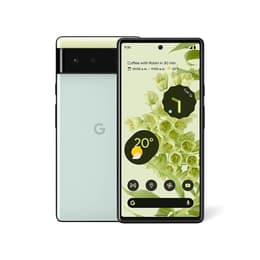
Google Pixel 6
Google Pixel 6
Starting at

Refurbished price:£101.00

Versus £649.99 new

See options
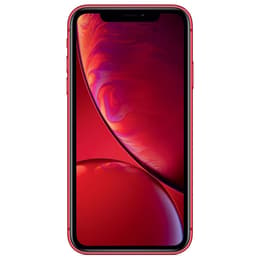
iPhone XR
iPhone XR
Starting at

Refurbished price:£98.00

Versus £399.00 new

See options

Ratings

The Google Pixel 6, released in 2021, and the iPhone XR, launched in 2018, represent two different generations of smartphone technology and distinct operating system philosophies. While the Pixel 6 provides a modern Android experience with a focus on advanced computational photography and 5G connectivity, the iPhone XR serves as a reliable entry point into the Apple ecosystem. These devices cater to different user needs, with the Pixel 6 offering more contemporary hardware and the iPhone XR providing a familiar, long-standing software environment that remains functional for everyday tasks.

Scores

Durability

The three-year age gap between these two models significantly influences their expected lifespan and the duration of official software support they will receive.

  • Software Support and Longevity: The Pixel 6 was released with a commitment to security updates likely extending its functional life until 2026. In contrast, the iPhone XR is an older model approaching the end of its official iOS update cycle, which may eventually impact its ability to run the latest applications.
  • Physical Resilience and Repair: Both smartphones feature glass and aluminium builds, though the Pixel 6 utilizes more modern glass technology. Choosing a quality-assured refurbished option is a practical way to acquire these devices, as it ensures the hardware has been inspected for longevity while serving as a sustainable choice.
  • Maintenance and Parts: With extensive support networks, finding replacement parts like batteries or screens is simple for professional technicians. This ease of repair helps both devices maintain their utility over several years, even as newer models enter the market.

Year of Release

2021

2018

Compatible with latest Update

Yes

Yes

OS

Android

iOS

Foldable

No

No

Performance

Daily performance is defined by how smoothly each device handles modern applications, multitasking, and the demands of power-intensive tasks like video streaming or gaming.

  • System Responsiveness: The Pixel 6 features a modern processor designed to handle complex tasks without significant slowdowns. The iPhone XR remains capable for standard browsing, though it may experience longer loading times when running the most recent high-performance applications.
  • Memory and Multitasking: With more internal memory, the Pixel 6 is better equipped to keep multiple apps open in the background. The iPhone XR has more limited memory, meaning the system may refresh background apps more frequently during intensive use.
  • Battery Management: The Pixel 6 houses a large battery that typically supports a full day of varied use. The iPhone XR is known for efficient power management, but its smaller capacity may require more frequent charging for users away from a power source for long periods.

Memory (GB)

8 GB

3 GB

Screen quality

The visual experience is one of the most noticeable differences between these two devices, affecting everything from reading text to watching high-definition video.

  • Display Technology and Contrast: The Pixel 6 uses an AMOLED display, providing deep blacks and vibrant colours for an immersive media experience. The iPhone XR utilizes a Liquid Retina LCD, which offers natural colours but cannot achieve the same level of contrast as the AMOLED panel.
  • Smoothness and Refresh Rates: A higher refresh rate on the Pixel 6 ensures that animations and scrolling appear much smoother. The iPhone XR uses a standard refresh rate that is functional for daily use but lacks the enhanced visual fluidity found on the more modern Google device.
  • Outdoor Visibility: The Pixel 6 is capable of reaching higher brightness levels, making the screen easier to read in direct sunlight. While the iPhone XR remains legible in most conditions, users may find themselves seeking shade to clearly see the display on bright days.

Resolution

1080 x 2400

828 x 1792

Screen type

AMOLED

Liquid Retina IPS LCD

Audiovisual

Camera capabilities and media playback are central to the modern smartphone experience, with these two models offering very different hardware configurations.

  • Versatility and Detail: The Pixel 6 is equipped with a dual-camera system including a high-resolution main sensor and an ultra-wide lens. The iPhone XR features a single-lens camera that is reliable for standard photos but lacks the flexibility to capture wide-angle perspectives.
  • Low-Light Performance: Advanced software processing on the Pixel 6 allows it to capture clear images in dark environments where the iPhone XR might struggle with visual noise. This makes the Pixel 6 a more versatile tool for users who frequently take photos indoors or during the evening.
  • Audio and Video Recording: Both devices offer stereo speakers for clear audio. In terms of video, the iPhone XR is praised for its smooth stabilisation, while the Pixel 6 offers modern features like enhanced speech enhancement for clearer audio recording in noisy environments.

Main camera

50 megapixels

12 megapixels

Front camera

8 megapixels

7 megapixels

Miscellaneous

Practical features such as mobile data speeds, charging ports, and security methods play a significant role in how these devices fit into a user's daily routine.

  • Connectivity Standards: The Pixel 6 supports 5G networks for faster mobile data in supported areas. The iPhone XR is limited to 4G connectivity, which remains functional but does not offer the same future-proofing for high-speed data needs.
  • Ports and Charging: Charging the Pixel 6 is done via a universal USB-C port, compatible with most modern electronics. The iPhone XR uses the proprietary Lightning connector, which requires specific cables not commonly used by other devices.
  • Biometrics and Handling: The Pixel 6 uses an under-display fingerprint sensor, while the iPhone XR relies on facial recognition. The iPhone XR is slightly more compact and lighter, making it easier to manage for users with smaller hands, whereas the Pixel 6 has a more substantial presence.

Weight

207 g

194 g

Screen size (in)

6.4

6.1

Mobile network

5G

4G

SIM card

Physical SIM + eSIM

Physical SIM + eSIM

Carrier compatibility

Unlocked

Unlocked

Based on user discussions and community feedback, the Google Pixel 6 is frequently highlighted for its exceptional camera quality and the clean feel of its software interface. Some users have noted that the under-display fingerprint sensor can occasionally be less responsive than traditional sensors, but the overall modern feature set is highly regarded. The iPhone XR is often cited as a workhorse device, praised for its long-term reliability and the ease of use provided by the iOS ecosystem, though its screen resolution and single camera are increasingly seen as limitations by those accustomed to newer hardware.

Users who prioritise high-quality photography, a smooth display, and the latest connectivity standards will likely find the Pixel 6 to be the more suitable choice. Conversely, users who prefer a straightforward, dependable device that integrates with other Apple products may find the iPhone XR meets their requirements. Both of these smartphones can be found as an eco-friendly alternative through refurbishment, providing a way to access reliable technology while reducing electronic waste. Ultimately, the decision rests on whether a user values the modern features of a newer Android device or the established stability of the iPhone platform.


See all articles

Our recent comparisons