
Galaxy A56 Vs iPhone 13 mini

Galaxy A56
Galaxy A56
Starting at

Refurbished price:£274.00

Versus £422.50 new

See options
iPhone 13 mini
iPhone 13 mini
Starting at

Refurbished price:£186.00

Versus £649.00 new

See options

Ratings

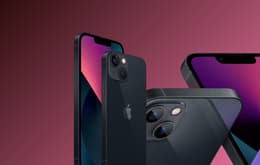
The Samsung Galaxy A56 (2025) and the Apple iPhone 13 Mini (2021) represent two distinct philosophies in the smartphone market. While the Galaxy A56 is a modern mid-range device designed for the current era of large-screen media consumption, the iPhone 13 Mini remains one of the few options for those who prefer a truly compact, pocketable handset. These devices differ significantly in their physical footprint, release timing, and the ecosystems they inhabit.

The Galaxy A56 operates on the Android platform, offering a highly customisable user experience, whereas the iPhone 13 Mini runs iOS, known for its straightforward interface and deep integration with other Apple services. The primary choice between these two often comes down to whether a user prioritises a expansive, modern display or a small, lightweight design that is easy to use with one hand. Both devices aim to provide a reliable daily experience, but they cater to very different ergonomic preferences and functional needs.

Scores

Durability

When considering how long these devices will remain functional and secure, the four-year gap between their release dates plays a significant role in their expected software longevity.

  • Software Support: The Galaxy A56, being a much newer release from 2025, is scheduled to receive operating system updates and security patches well into the early 2030s. In contrast, the iPhone 13 Mini was released in 2021 and is naturally closer to the end of its official software support cycle, though it typically receives updates for six to seven years from its launch.
  • Repairability and Maintenance: The Galaxy A56 features a modular internal design that simplifies common repairs like battery replacements. The iPhone 13 Mini, while built with high-quality materials, has a very compact internal layout that can make repairs more intricate. Choosing a quality-assured refurbished option can be a practical way to extend the useful life of these well-engineered devices while supporting a more circular economy.

Year of Release

2025

2021

Compatible with latest Update

Yes

Yes

OS

Android

iOS

Foldable

No

No

Performance

Performance in these devices is defined by how they handle daily tasks like social media, web browsing, and multitasking between various productivity applications.

  • System Responsiveness: The Galaxy A56 utilises modern, efficient internal hardware that ensures smooth operation across the latest Android applications and demanding multitasking scenarios. The iPhone 13 Mini, despite its age, uses flagship-grade internals that remain remarkably quick and responsive for everyday use, though it may show more effort when running the most intensive modern games compared to newer hardware.
  • Battery Endurance: Due to its larger physical size, the Galaxy A56 houses a high-capacity battery that comfortably lasts through a full day of heavy usage. The iPhone 13 Mini has a much smaller battery necessitated by its compact frame, meaning users who frequently use GPS or stream video may find themselves needing to charge the device before the day is over.

Memory (GB)

8 GB

4 GB

Screen quality

The viewing experience is perhaps the most immediate difference between these two smartphones, affecting everything from reading text to watching videos.

  • Display Technology and Smoothness: The Galaxy A56 features a large 6.6-inch AMOLED display with a high refresh rate, which makes scrolling through lists and navigating the interface feel exceptionally fluid. The iPhone 13 Mini uses a 5.4-inch OLED screen that provides excellent colour accuracy and deep blacks, but it lacks the high refresh rate found on the Samsung, resulting in slightly less fluid motion during fast transitions.
  • Outdoor Visibility: The modern display on the Galaxy A56 is designed to reach high brightness levels, making it easier to read under direct sunlight. While the iPhone 13 Mini is clear and vibrant indoors, its peak brightness is lower than that of the newer Samsung model, which may require users to seek shade or shield the screen when using it outdoors on very bright days.

Resolution

1080 x 2340

1080 x 2340

Screen type

Super AMOLED

Super Retina XDR OLED

Audiovisual

Both devices offer capable camera systems, but they approach photography and videography with different strengths in terms of versatility and processing.

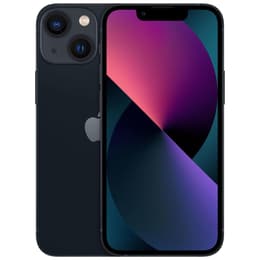
  • Versatility and Zoom: The Galaxy A56 is equipped with a triple-camera array, including a dedicated macro lens for close-up photography and an ultra-wide sensor for landscapes. This provides more options for users who like to experiment with different perspectives. The iPhone 13 Mini features a dual-camera system that focuses on simplicity and high-quality results from its main and ultra-wide lenses without the extra macro hardware.
  • Video and Image Consistency: The iPhone 13 Mini is frequently praised for its natural colour reproduction and stable video recording, making it a reliable choice for capturing quick memories. The Galaxy A56 uses modern software processing to enhance low-light photos and provide vibrant, punchy images that are ready for sharing immediately, though its video stabilisation is slightly less refined than the Apple alternative.

Main camera

4K@30fps

12 megapixels

Front camera

13 megapixels

12 megapixels

Miscellaneous

Beyond the core specifications, the physical handling and connectivity features of these devices influence how they fit into a user's daily routine.

  • Physical Dimensions and Weight: The iPhone 13 Mini is exceptionally light and small, making it ideal for users who want a phone that disappears into a pocket or can be operated entirely with one thumb. The Galaxy A56 is significantly larger and heavier, requiring two hands for many tasks but offering a much larger canvas for typing and viewing content.
  • Connectivity and Biometrics: The Galaxy A56 uses a modern USB-C port for charging and data transfer, which is compatible with most current electronics, and features an under-display fingerprint sensor for security. The iPhone 13 Mini uses the Lightning port and relies on facial recognition technology for unlocking, which many users find convenient for hands-free access but less effective when wearing certain face coverings.

Weight

197 g

140 g

Screen size (in)

6.5

5.4

Mobile network

5G

5G

SIM card

Dual Physical SIM + eSIM

Physical SIM + eSIM

Carrier compatibility

Unlocked

Unlocked

Connector

USB-C

Lightning

In summary, the choice between the Samsung Galaxy A56 and the iPhone 13 Mini is a choice between modern scale and classic portability. Based on user discussions and community feedback, the Galaxy A56 is highly regarded for its expansive screen and long-lasting battery, making it a favourite for those who consume a lot of media or spend long days away from a charger. However, some users find its larger size cumbersome for one-handed use. On the other hand, the iPhone 13 Mini is celebrated for its unique form factor, with many users appreciating how easily it fits into small pockets, though the shorter battery life remains a common point of discussion among heavy users.

Users who prioritise a large, smooth display for gaming and video, along with the latest software updates, will find the Galaxy A56 aligns well with their needs. Conversely, users who value a lightweight, compact device that provides a premium experience in a small package may lean toward the iPhone 13 Mini. Opting for a sustainable choice through a quality-assured refurbished option allows consumers to access either of these distinct experiences while reducing their environmental footprint. Ultimately, both devices serve their respective audiences well, providing reliable performance within two very different physical designs.
See all articles

Our recent comparisons