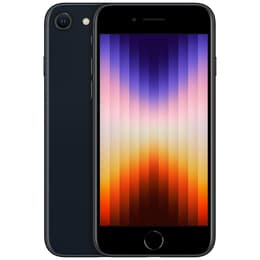

Galaxy S22 5G Vs iPhone SE (2022)

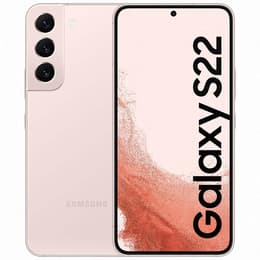
Galaxy S22 5G
Galaxy S22 5G
Starting at

Refurbished price:£139.00

Versus £859.00 new

See options
iPhone SE (2022)
iPhone SE (2022)
Starting at

Refurbished price:£102.00

Versus £429.00 new

See options

Ratings

The Samsung Galaxy S22 5G and the Apple iPhone SE (2022) are two smartphones released in the same year that cater to very different user preferences. While the Galaxy S22 represents a modern, full-screen flagship experience running the Android operating system, the iPhone SE maintains a classic design with a physical home button and runs Apple's iOS. These devices differ significantly in their physical size, display technology, and camera versatility, offering distinct paths for users looking for either a feature-rich modern device or a compact, familiar interface.

Scores

Durability

The Galaxy S22 and iPhone SE (2022) both entered the market in early 2022, but their long-term support paths reflect the different philosophies of their manufacturers regarding software and hardware maintenance.

  • Software Support Longevity: The iPhone SE typically benefits from a long-term update cycle, often receiving operating system refreshes for six to seven years after its initial release. The Galaxy S22 is supported by a commitment to four generations of Android updates and five years of security patches, ensuring it remains functional and secure for a significant period.
  • Repairability and Maintenance: The iPhone SE uses a design that is well-understood by technicians, with widely available parts for screen or battery replacements. The Galaxy S22 features a more complex internal structure but benefits from a growing ecosystem of professional repair programs. Choosing a quality-assured refurbished option can further support the longevity of these devices by ensuring they have been professionally inspected for hardware health.

Year of Release

2022

2022

Compatible with latest Update

Yes

Yes

OS

Android

iOS

Foldable

No

No

Performance

While both devices handle daily tasks with ease, they manage power and multitasking in ways that suit different types of users based on their typical mobile habits.

  • System Responsiveness: The Galaxy S22 utilizes a high-performance processor and a larger amount of temporary memory, which allows it to keep multiple demanding applications open simultaneously without slowing down. The iPhone SE uses a very efficient internal architecture that prioritises speed in single tasks, making app launches and navigation feel instantaneous despite having less memory.
  • Battery and Power Management: The Galaxy S22 houses a larger battery capacity to power its advanced screen, generally lasting through a full day of moderate use. The iPhone SE has a smaller battery, but because its screen is smaller and requires less power, it remains efficient for users who primarily use their phone for messaging and calls rather than heavy media consumption.
  • Storage Flexibility: Both models offer various internal storage capacities to house apps and media, though neither allows for expansion via memory cards, meaning users should select the capacity that fits their needs from the start.

Memory (GB)

8 GB

4 GB

Screen quality

The viewing experience is perhaps the most immediate difference between these two smartphones, impacting everything from reading text to watching high-definition videos.

  • Display Technology and Fluidity: The Galaxy S22 features an AMOLED display where each pixel produces its own light, resulting in deep blacks and vibrant contrast. It also includes a high refresh rate, meaning the screen updates 120 times per second for very smooth scrolling. In contrast, the iPhone SE uses a traditional LCD screen with a standard refresh rate, providing a clear and natural-looking image that is familiar to long-time smartphone users.
  • Size and Visibility: With a 6.1-inch screen that stretches to the edges of the device, the Galaxy S22 offers significantly more viewing area for videos and multitasking. The iPhone SE has a much smaller 4.7-inch display with noticeable borders at the top and bottom, which makes it easier to use with one hand but provides less space for immersive content.
  • Outdoor Brightness: The Galaxy S22 is designed to reach high brightness levels, making the screen easier to read under direct sunlight compared to the more modest peak brightness of the iPhone SE.

Resolution

1080 x 2340

750 x 1334

Screen type

Dynamic AMOLED 2X

Retina IPS LCD

Audiovisual

Photography and media playback capabilities highlight the different intended uses for these two devices, with one focusing on versatility and the other on simplicity.

  • Camera Versatility: The Galaxy S22 is equipped with three distinct rear lenses, including a dedicated telephoto lens for zooming into distant subjects and an ultra-wide lens for capturing expansive landscapes. The iPhone SE features a single rear lens that focuses on providing consistent, high-quality photos with natural skin tones and reliable automatic settings, though it lacks the ability to zoom optically.
  • Video and Audio Recording: Both devices are capable of recording high-definition video with great stability. The Galaxy S22 offers more advanced manual controls and multiple microphones for directional audio, while the iPhone SE is praised for its simplicity and excellent video stabilization for casual recording.
  • Speaker Performance: The Galaxy S22 provides a stereo speaker setup that creates a wider soundstage for watching movies, whereas the iPhone SE also offers stereo sound but in a more compact form factor that may lack the depth found in the larger device.

Main camera

50 megapixels

12 megapixels

Front camera

10 megapixels

7 megapixels

Miscellaneous

Beyond the core specifications, the physical handling and connectivity of these phones play a major role in daily satisfaction and how the device fits into your lifestyle.

  • Physical Design and Handling: The iPhone SE is one of the most compact smartphones available, making it a preferred choice for users who want a device that fits easily into any pocket. The Galaxy S22 is larger but uses modern design techniques to keep the body slim and lightweight, offering a balance between screen size and portability.
  • Biometrics and Ports: The Galaxy S22 uses a fingerprint sensor hidden under the glass of the display for secure unlocking. The iPhone SE retains the classic Home button with a physical fingerprint sensor, which many users find more tactile. For charging, the Galaxy S22 uses the universal USB-C standard, while the iPhone SE uses the Lightning port.
  • Connectivity: Both devices support 5G networks, ensuring fast mobile data speeds where coverage is available, and both include modern Wi-Fi and Bluetooth standards for stable connections to accessories.

Weight

168 g

144 g

Screen size (in)

6.1

4.7

Mobile network

5G

5G

SIM card

Physical SIM + eSIM

Physical SIM + eSIM

Carrier compatibility

Unlocked

Unlocked

Public sentiment from user forums and tech communities reveals a clear divide in who these phones are for. The Galaxy S22 is frequently praised for its vibrant, modern display and the flexibility of its triple-camera system, though some users note that the battery requires careful management during heavy days. The iPhone SE (2022) receives consistent acclaim for its compact size and the longevity of its software support, while criticisms often center on its dated design and the small screen size which can feel cramped for modern app layouts.

Users who prioritize media consumption, mobile photography, and a modern aesthetic will likely find the Galaxy S22 better suited to their needs. Conversely, users who value a compact form factor, a physical home button, and a straightforward user interface may lean toward the iPhone SE. Both devices represent reliable choices for different priorities. Opting for a sustainable choice like a refurbished model allows users to access these technologies while contributing to a more circular economy. Ultimately, the decision rests on whether one prefers the expansive, feature-rich experience of the Galaxy or the portable, classic efficiency of the iPhone.

See all articles

Our recent comparisons