Galaxy S20 5G Vs Sony Xperia 5 IV

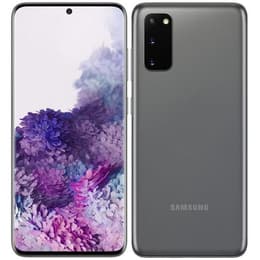
Galaxy S20 5G
Galaxy S20 5G
Starting at

Refurbished price:£132.00

Versus £899.00 new

See options
Sony Xperia 5 IV
Sony Xperia 5 IV
Starting at

Refurbished price:£298.00

Versus £1,199.00 new

See options

Ratings

The Samsung Galaxy S20 5G and the Sony Xperia 5 IV are both smartphones designed to offer a comprehensive mobile experience. The Galaxy S20 5G, released in early 2020, features a high-resolution display and a versatile camera system. The Xperia 5 IV, launched in late 2022, emphasizes a compact form factor, advanced camera capabilities, and a focus on media consumption. While both run on the Android operating system, they present different approaches to design, user interface, and feature prioritization.

Scores

Durability

When considering the longevity of these devices, several factors come into play, including their release timelines, software support, and physical durability.

  • Release Timeline: The Samsung Galaxy S20 5G was introduced in February 2020, making it an older device compared to the Sony Xperia 5 IV, which arrived in September 2022. This difference in release year directly impacts their expected software support.
  • Software Longevity: The Xperia 5 IV, being newer, is expected to receive Android operating system updates and security patches for a longer duration than the Galaxy S20 5G. Users of the Galaxy S20 5G may find that major OS updates have concluded, with only security updates continuing for a limited time.
  • Physical Durability: Both devices offer robust protection against dust and water, with an IP68 rating for the Galaxy S20 5G and an IP65/IP68 rating for the Xperia 5 IV. The Galaxy S20 5G features Corning Gorilla Glass 6 on its front and back, while the Xperia 5 IV utilizes the more recent Corning Gorilla Glass Victus for enhanced scratch and drop resistance.

Year of Release

2020

2022

Compatible with latest Update

No

No

OS

Android

Android

Foldable

No

No

Performance

The performance of a smartphone is crucial for daily tasks, from navigating applications to demanding multimedia creation.

  • Processing Power: The Xperia 5 IV incorporates a more recent-generation processor, which generally translates to more efficient handling of demanding applications and smoother multitasking compared to the Galaxy S20 5G's processor. This can be particularly noticeable in tasks requiring significant computational power.
  • System Responsiveness: Users engaging in heavy gaming or extensive video editing might experience more consistent performance and less thermal throttling on the Xperia 5 IV due to its newer internal components. The Galaxy S20 5G, while capable, may show signs of reduced performance during prolonged intensive use, with some users reporting overheating concerns, particularly with the Exynos variant.
  • Storage and Multitasking: Both devices offer 128GB of internal storage, with the Xperia 5 IV also having a 256GB option. Both support expandable storage via a microSD card, providing flexibility for users with large media libraries. The Galaxy S20 5G typically comes with 12GB of RAM, while the Xperia 5 IV features 8GB. While the Galaxy S20 5G has a higher RAM capacity, the overall system optimization and newer processor in the Xperia 5 IV contribute significantly to its multitasking efficiency.

Memory (GB)

12 GB

8 GB

Screen quality

The visual experience is a key differentiator, with both devices offering high-quality displays tailored to different preferences.

  • Display Technology and Resolution: The Galaxy S20 5G features a 6.2-inch Dynamic AMOLED 2X display with a Quad HD+ resolution (3200 x 1440 pixels), offering a very high pixel density for sharp visuals. The Xperia 5 IV has a slightly smaller 6.1-inch OLED display with a Full HD+ resolution (2520 x 1080 pixels). While both are OLED panels known for deep blacks and vibrant colors, the Galaxy S20 5G provides a higher pixel count.
  • Refresh Rate and Brightness: Both phones offer a 120Hz refresh rate for smoother scrolling and animations. However, the Galaxy S20 5G's 120Hz mode is limited to Full HD+ resolution, requiring users to choose between a higher refresh rate or maximum resolution. The Xperia 5 IV maintains its 120Hz refresh rate at its native Full HD+ resolution. The Xperia 5 IV's display is also noted to be significantly brighter than its predecessor, improving outdoor visibility.
  • Aspect Ratio and Viewing Experience: The Xperia 5 IV features a 21:9 aspect ratio, which is narrower and taller, providing an immersive experience for widescreen content and potentially easier one-handed grip for some users. The Galaxy S20 5G has a more conventional 20:9 aspect ratio.

Resolution

1440 x 3200

1080 x 2520

Screen type

Dynamic AMOLED 2X

OLED

Audiovisual

Both smartphones offer advanced camera systems, but they cater to slightly different photographic and videographic needs.

  • Rear Camera Systems: The Galaxy S20 5G features a triple camera setup with a 12MP wide lens, a 64MP telephoto lens offering 3x hybrid optical zoom, and a 12MP ultrawide lens. The Xperia 5 IV also has a triple 12MP camera system, including wide, ultrawide, and a telephoto lens with 2.5x optical zoom. The Xperia 5 IV benefits from ZEISS optics and advanced features like Eye AF and Object Tracking across all rear lenses.
  • Video Recording Capabilities: The Galaxy S20 5G is capable of recording 8K video at 24fps and 4K at 30/60fps. The Xperia 5 IV stands out with its ability to record 4K HDR video at 120fps with all its rear lenses, along with advanced video features like Cinematography Pro and Videography Pro, making it appealing for content creators. However, some users have reported overheating during extended 4K video recording on the Xperia 5 IV.
  • Audio and Media Consumption: The Xperia 5 IV includes a 3.5mm headphone jack, a feature absent on the Galaxy S20 5G. Both devices offer stereo speakers, with the Xperia 5 IV supporting advanced audio technologies like Dolby Atmos and 360 Reality Audio for an enhanced listening experience.

Main camera

12 megapixels

12 megapixels

Front camera

10 megapixels

12 megapixels

Miscellaneous

Beyond core features, several practical elements contribute to the overall user experience and device utility.

  • Connectivity Standards: Both phones support 5G connectivity. The Xperia 5 IV features Wi-Fi 6E and Bluetooth 5.2, offering slightly newer and potentially faster wireless standards compared to the Galaxy S20 5G's Wi-Fi 6 and Bluetooth 5.0.
  • Physical Design and Handling: The Galaxy S20 5G measures 151.7 x 69.1 x 7.9 mm and weighs 163g, making it a relatively compact and light device. The Xperia 5 IV is slightly taller and thicker at 156 x 67 x 8.2 mm and weighs 172g. Its narrower 21:9 aspect ratio contributes to a distinct in-hand feel.
  • Biometric Security and Ports: The Galaxy S20 5G uses an in-display ultrasonic fingerprint sensor, which some users have found inconsistent. The Xperia 5 IV features a side-mounted fingerprint sensor. The Xperia 5 IV also retains a 3.5mm headphone jack, which is absent on the Galaxy S20 5G, offering more flexibility for wired audio accessories.

Weight

163 g

172 g

Screen size (in)

6.2

6,1

Mobile network

5G

5G

SIM card

Dual Physical SIM

Physical SIM + eSIM

Carrier compatibility

Unlocked

Unlocked

Connector

USB-C

USB-C + Jack 3.5mm

The Samsung Galaxy S20 5G and the Sony Xperia 5 IV each offer a distinct set of strengths, catering to different user priorities. The Galaxy S20 5G, an earlier release, is often praised for its high-resolution display, which provides exceptional clarity and detail, and its generally reliable camera system for everyday photography. However, some users have noted concerns regarding its in-display fingerprint sensor's consistency and potential overheating issues, particularly with certain processor variants.

The Sony Xperia 5 IV, a more recent device, is frequently lauded for its compact design, advanced video recording capabilities, and the inclusion of a 3.5mm headphone jack, which is a valued feature for audio enthusiasts. Its focus on a cinematic aspect ratio and professional camera controls also receives positive feedback. Common criticisms for the Xperia 5 IV include reports of overheating during intensive tasks like 4K video recording, and some users have experienced software-related issues such as aggressive background app management and occasional UI lag.

Users prioritizing a very high-resolution display for crisp visuals and a widely adopted user interface may find the Galaxy S20 5G well-suited to their needs. Conversely, individuals who value a compact form factor, advanced manual camera and video controls, and the flexibility of a headphone jack will likely lean towards the Xperia 5 IV. Both devices represent capable Android smartphones, and choosing between them depends on which features align best with individual usage patterns. For those considering an eco-friendly alternative, quality-assured refurbished options for both models are available, extending their useful life.

See all articles

Our recent comparisons