Samsung
Compare models
Differences at a glance
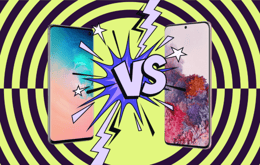
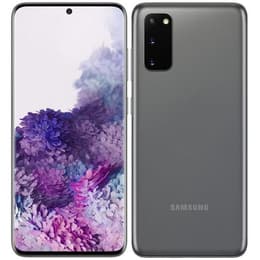
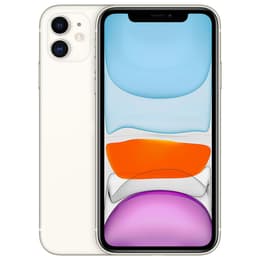
The Samsung Galaxy S20 5G, released in early 2020, and the iPhone 11, launched in late 2019, represent two distinct approaches to the flagship smartphone experience from their respective eras. While the Galaxy S20 5G focuses on high-refresh-rate display technology and modern cellular connectivity, the iPhone 11 prioritises a streamlined user experience and long-term software integration. These devices operate on different platforms—Android and iOS—which significantly influences how users interact with their apps and services daily. Choosing between them involves weighing the benefits of a more modern screen and 5G capabilities against a highly stable and widely supported ecosystem.
As these models have been on the market for several years, they now serve as excellent entry points for users seeking reliable technology without needing the latest annual release. The Galaxy S20 5G was one of the first mainstream devices to embrace the next generation of mobile networking, whereas the iPhone 11 remains a staple for those who prefer the simplicity and longevity associated with its manufacturer's hardware and software synergy.
Colour
Storage
When evaluating the longevity of these two smartphones, the primary considerations are software support cycles and the physical robustness of the hardware over time.
Year of Release
Compatible with latest Update
OS
Foldable
Performance in these devices is defined by how smoothly they handle daily tasks such as web browsing, social media, and multitasking between demanding applications.
The viewing experience differs significantly between these two models due to the underlying display technologies and the way they render motion and colour.
Resolution
Screen type
Both smartphones offer versatile camera systems that excel in different areas of photography and videography, catering to various creative needs.
Main camera
Front camera
Beyond the core specifications, several practical design choices and hardware features influence the daily handling and utility of these smartphones.
Weight
Screen size (in)
Mobile network
SIM card
Carrier compatibility
Connector
In summary, the choice between the Galaxy S20 5G and the iPhone 11 depends largely on which specific features a user prioritises for their daily routine. Based on common user feedback from tech forums and community discussions, the Galaxy S20 5G is frequently praised for its stunning, smooth display and the future-proofing provided by 5G connectivity. However, some users have noted that the battery can drain more quickly when the high-refresh-rate mode is active. On the other hand, the iPhone 11 is lauded for its exceptional reliability, consistent video quality, and the longevity of its software updates, though some users find the screen technology less impressive compared to more modern alternatives.
Users who prioritise media consumption, high-speed networking, and a customisable interface will likely find the Galaxy S20 5G better suited to their needs. Conversely, users who value a straightforward user experience, long-term software support, and a highly stable ecosystem may lean toward the iPhone 11. Both devices remain highly capable in 2026, offering a balance of performance and features that satisfy the requirements of most modern smartphone users. Choosing a sustainable choice through a refurbished model allows consumers to access these high-quality features while contributing to a more circular economy. Ultimately, both smartphones represent a practical and informed choice for those looking for a dependable mobile experience.