Galaxy A13 Vs iPhone 17

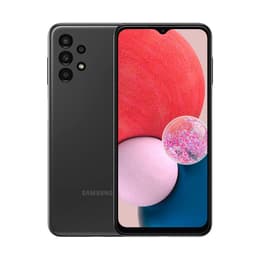
Galaxy A13
Galaxy A13
Starting at

Refurbished price:£73.00

Versus £249.00 new

See options
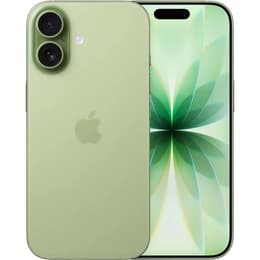
iPhone 17
iPhone 17
Starting at

Refurbished price:£676.00

Versus £799.00 new

See options

Ratings

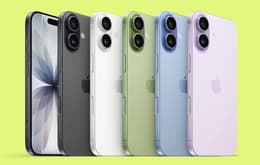
The Samsung Galaxy A13, released in March 2022, is an Android smartphone designed for everyday use, focusing on essential features and battery longevity. In contrast, the iPhone 17, introduced in September 2025, represents Apple's latest flagship offering, integrating advanced technology and a premium user experience. These devices cater to distinct user needs, with the Galaxy A13 providing a functional and accessible Android experience, while the iPhone 17 delivers cutting-edge performance and sophisticated features within the iOS ecosystem.

Scores

Durability

The expected lifespan and software support differ significantly between these two devices due to their release timelines and operating systems.

  • Software Longevity: The Galaxy A13 launched with Android 12 and has received updates up to Android 14, with future major OS updates likely to be limited. The iPhone 17, running on iOS 26, is expected to receive several more years of major software updates, typically extending for five to six years from its release. [9, 11]
  • Physical Durability: The Galaxy A13 features a plastic body and Corning Gorilla Glass 5 for screen protection. [9, 23, 38] The iPhone 17 incorporates an aluminum frame and Ceramic Shield 2 on its display, which offers enhanced scratch resistance. [1, 11]
  • Practical Lifespan: Users prioritizing long-term software support and advanced material durability will find the iPhone 17 offers a longer practical lifespan. The Galaxy A13 remains a capable device for its intended use, but its update cycle is naturally shorter.

Year of Release

2022

2025

Compatible with latest Update

No

Yes

OS

Android

iOS

Foldable

No

No

Performance

Performance capabilities vary considerably, reflecting the different market segments and release years of these smartphones.

  • Everyday Responsiveness: The Galaxy A13 is powered by an octa-core processor, suitable for general tasks like browsing, social media, and light applications. [2, 22] The iPhone 17 features a powerful current-generation chip, designed to handle demanding applications, complex multitasking, and advanced computational tasks with fluidity. [1, 11, 29]
  • Multitasking and Storage: The Galaxy A13 offers various RAM configurations, typically ranging from 3GB to 6GB, alongside expandable storage options up to 1TB via microSD. [4, 20, 22] The iPhone 17 starts with a higher base internal storage of 256GB, providing ample space for apps and media without external expansion. [13]
  • Battery Behavior: The Galaxy A13 is equipped with a 5000 mAh battery, known for providing extended usage, often lasting more than a full day for many users. [3, 8, 19, 32] The iPhone 17's battery is optimized for efficiency, offering up to 30 hours of video playback, and includes an Adaptive Power mode in iOS 26 to further extend usage. [1, 5, 11, 14]

Memory (GB)

4 GB

8 GB

Screen quality

The visual experience on these devices presents notable differences in display technology and features.

  • Display Technology and Clarity: The Galaxy A13 features a 6.6-inch PLS TFT LCD display with Full HD+ resolution, providing clear visuals for daily content consumption. [4, 23, 34] The iPhone 17 boasts a 6.3-inch Super Retina XDR OLED display, offering deeper blacks, higher contrast, and more vibrant colors. [1, 11]
  • Smoothness and Brightness: The Galaxy A13 operates at a standard 60Hz refresh rate. [12, 23] The iPhone 17 includes ProMotion technology, enabling an adaptive refresh rate up to 120Hz for smoother scrolling and more responsive interactions. [1, 11, 30] The iPhone 17 also achieves significantly higher peak outdoor brightness, reaching up to 3000 nits, compared to the Galaxy A13's typical peak of around 587 nits. [1, 11, 23]
  • Additional Display Features: The iPhone 17 integrates an Always-On display feature, allowing users to view essential information at a glance without fully activating the screen. [1, 11]

Resolution

1080 x 2408

2622x1206

Screen type

PLS LCD

Super Retina XDR

Audiovisual

The camera systems on these smartphones are designed for different levels of photographic capability and user expectations.

  • Rear Camera Capabilities: The Galaxy A13 features a quad-camera setup with a 50-megapixel main sensor, accompanied by an ultrawide, macro, and depth sensor, suitable for capturing a variety of everyday photos. [7, 19, 20] The iPhone 17 includes a dual-lens rear camera system, both with 48-megapixel sensors for the Wide and Ultra Wide lenses, offering advanced image processing, improved low-light performance, and a 2x optical quality telephoto option. [1, 11, 13, 26]
  • Video Recording and Front Camera: The Galaxy A13 provides standard video recording capabilities. Its front-facing camera is 8-megapixels for selfies and video calls. [7, 19] The iPhone 17 supports 4K Dolby Vision video recording and features an 18-megapixel Center Stage front camera with autofocus, enhancing video calls and selfies. [1, 11, 13]
  • Advanced Imaging Features: The iPhone 17's camera system benefits from advanced computational photography features, including Photonic Engine and Smart HDR, contributing to higher-quality images across various conditions. [13]

Main camera

50 megapixels

48 megapixels

Front camera

8 megapixels

18 megapixels

Miscellaneous

Beyond core features, several practical elements contribute to the overall user experience and connectivity of these devices.

  • Connectivity Standards: The Galaxy A13 supports 4G LTE, Wi-Fi, and Bluetooth 5.0. [4, 7, 38] The iPhone 17 offers more advanced connectivity, including 5G, Wi-Fi 7, and Bluetooth 6.0, along with Thread support for smart home integration and a second-generation Ultra Wideband chip for precise location services. [1, 10, 11, 16]
  • Ports and Biometrics: The Galaxy A13 includes a USB-C port for charging and data transfer, along with a 3.5mm headphone jack and a side-mounted fingerprint sensor for security. [4, 20, 40] The iPhone 17 also features a USB-C port, supports eSIM technology, and relies on Face ID for secure biometric authentication. [1, 11]
  • Design and Handling: The Galaxy A13 has a plastic construction, contributing to its lighter feel, and measures 165.1 x 76.4 x 8.8 mm, weighing 195 grams. [7, 24] The iPhone 17 features an aluminum design with a frosted glass back and a slightly larger 6.3-inch display, maintaining a premium feel. [1]

Weight

195 g

177 g

Screen size (in)

6.6

6.3

Mobile network

4G

5G

SIM card

Dual Physical SIM

Physical SIM + eSIM

Carrier compatibility

Unlocked

Unlocked

The Samsung Galaxy A13 and iPhone 17 cater to distinct user preferences and budgets, reflecting their different market positions and release timelines. Users often praise the Galaxy A13 for its robust battery life, providing extended usage throughout the day, and its inclusion of a headphone jack and expandable storage, which are practical benefits for many. [3, 8, 19, 40] Some common criticisms for the Galaxy A13 include its standard 60Hz display and performance that is adequate for basic tasks but can feel less responsive with more demanding applications. [23, 40]

The iPhone 17, on the other hand, receives acclaim for its powerful performance, advanced camera system with high-resolution sensors, and its vibrant, high-refresh-rate OLED display. [1, 11, 13] Users appreciate the long-term software support and the seamless integration within the Apple ecosystem. Potential concerns for the iPhone 17 might revolve around its higher entry point and the absence of expandable storage or a traditional headphone jack, which are features some users still value.

For individuals prioritizing an eco-friendly alternative and seeking a quality-assured refurbished option for everyday communication, social media, and media consumption without needing the absolute latest in processing power or camera technology, the Galaxy A13 could be a suitable choice. Conversely, users who demand top-tier performance for gaming, advanced photography and videography, a premium display experience, and extended software longevity will find the iPhone 17 better suited to their needs. Both devices offer reliable smartphone experiences, but their strengths lie in serving different user profiles.

See all articles

Our recent comparisons