
Compare models

Galaxy A17 Vs iPhone 16 Plus

  • 1-year minimum warranty
  • Free delivery on all items
  • Free 30-day returns
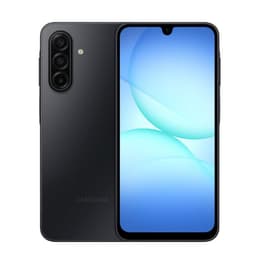
Galaxy A17
Starting at

Refurbished price:£160.00

Versus £304.32 new

See options
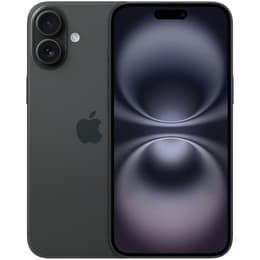
iPhone 16 Plus
Starting at

Refurbished price:£536.25

Versus £799.00 new

See options

Differences at a glance

The Samsung Galaxy A17 (2025) and the Apple iPhone 16 Plus (2024) are large-screen smartphones designed for users who want expansive viewing areas and reliable day-to-day functionality. While both devices offer generous display sizes, they operate on different software ecosystems and target distinct tiers of mobile technology. The Samsung Galaxy A17 runs on Android, whereas the iPhone 16 Plus runs on iOS, creating a foundational split in user experience and interface design.

Available Models

Colour

Storage (GB)

Scores

Durability

Both smartphones are built to handle years of regular use, though they approach long-term support through different manufacturer update policies and hardware build methodologies.

  • Software Support: The Galaxy A17 features an extended update commitment for its category, providing multiple years of security patches and major operating system updates. The iPhone 16 Plus benefits from Apple's long-standing track record of delivering iOS updates to its devices for a substantial lifespan.
  • Build and Repairability: The iPhone 16 Plus uses durable glass and aluminum materials with high water and dust resistance ratings. The Galaxy A17 incorporates robust plastics and reinforced glass options designed to withstand daily wear while maintaining standard ease of repair.
  • Expected Lifespan: Both models provide sufficient internal efficiency and memory capacity to remain functional and responsive for years of typical daily activities.

Year of Release

2025

2024

Foldable

No

No

Performance

Daily operation and speed vary between the two models based on their internal hardware configurations and software optimization approaches.

  • App Loading and Multitasking: The iPhone 16 Plus handles demanding apps, graphic-heavy gaming, and split-screen tasks with high processing headroom. The Galaxy A17 manages everyday tasks, social media apps, and casual browsing smoothly with reliable day-to-day responsiveness.
  • Storage Configurations: The iPhone 16 Plus starts with baseline storage tiers suitable for large media libraries, while the Galaxy A17 offers flexible storage options paired with expandable memory support via microSD cards in select regions.
  • Battery Behavior: Both devices feature large physical footprints that house high-capacity batteries, easily lasting through a full day of mixed usage including streaming, messaging, and web browsing.

Screen quality

Visual output is a primary focus for both smartphones, as each features a spacious display tailored for media consumption and reading.

  • Display Technology: The Galaxy A17 utilizes a vibrant Super AMOLED screen delivering deep contrast and saturated colors. The iPhone 16 Plus features a bright Super Retina XDR OLED panel with sharp resolution and balanced color accuracy.
  • Brightness and Outdoor Visibility: Both panels offer high peak brightness levels, ensuring that text and images remain legible under direct sunlight or bright outdoor lighting conditions.
  • Refresh Rate and Smoothness: The Galaxy A17 supports a fluid 90Hz refresh rate for smoother scrolling through menus, while the iPhone 16 Plus maintains standard touch responsiveness optimized through tightly integrated software animations.

Resolution

1080x2340

1290 x 2796

Screen type

Super AMOLED

Super Retina XDR OLED

Audiovisual

Photography and media recording capabilities differ noticeably in hardware arrangement and processing software between the two devices.

  • Camera Systems: The iPhone 16 Plus employs a dual-lens rear setup featuring a high-resolution main sensor and an ultra-wide lens with macro capabilities. The Galaxy A17 relies on a versatile triple-lens array geared toward capturing clear everyday snapshots and close-up details.
  • Low-Light and Video: The iPhone 16 Plus excels in video stabilization and low-light exposure balance using advanced computational photography. The Galaxy A17 produces reliable images in standard lighting conditions with integrated stabilization features on its main lens.
  • Audio and Media Output: The iPhone 16 Plus offers rich stereo speaker output and clear microphone arrays suited for recording crisp voice notes and video calls. The Galaxy A17 provides adequate single or stereo speaker performance for casual media viewing and hands-free calls.

Main camera

50 megapixels

48 megapixels

Miscellaneous

Physical dimensions and connectivity standards define how each device integrates into a user's daily accessories and travel routines.

  • Connectivity Standards: Both models support 5G network connectivity, modern Wi-Fi standards, and Bluetooth protocols for seamless accessory pairing and fast data transfers.
  • Port Types: The iPhone 16 Plus utilizes a reversible USB-C connector for charging and data syncing. The Galaxy A17 similarly adopts a standard USB-C port alongside a physical SIM tray configuration.
  • Dimensions and Handling: Both phones feature large 6.7-inch screens, resulting in substantial physical footprints. The iPhone 16 Plus balances its weight with premium edge finishes, while the Galaxy A17 maintains a lightweight profile despite its large battery capacity.

Weight

192 g

199 g

Screen size (in)

6.7

6.7

Mobile network

5G

5G

SIM card

Physical SIM

eSIM

Carrier compatibility

Unlocked

Unlocked

Connector

USB-C

USB-C (USB 2)

What the community thinks

Users evaluating these two smartphones often point out the dependable battery life and bright displays of both models as major daily advantages. Common discussions on community forums highlight appreciation for the expansive screen real estate on both devices, making them well-suited for watching videos and reading documents. Some users note that the physical size can feel cumbersome for one-handed use, while others value the large surface area for typing accuracy and viewing comfort.

Users prioritizing a flexible Android interface with expandable storage and a high-refresh-rate display may prefer the Samsung Galaxy A17. Conversely, users who value long-term ecosystem integration, robust video recording tools, and high processing headroom for intensive applications will lean toward the iPhone 16 Plus. For buyers looking at sustainable purchasing avenues, a quality-assured refurbished option provides an eco-friendly alternative that reduces electronic waste while delivering fully tested hardware performance.