iPhone 13 Vs iPhone 16 Plus

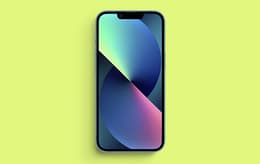
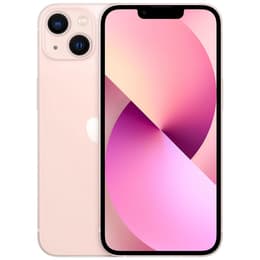
iPhone 13
iPhone 13
Starting at

Refurbished price:£205.00

Versus £599.00 new

See options
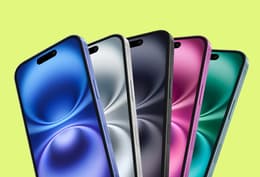
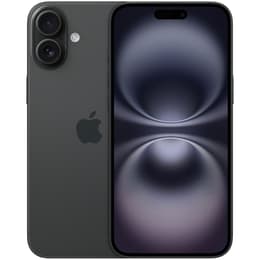
iPhone 16 Plus
iPhone 16 Plus
Starting at

Refurbished price:£503.46

Versus £799.00 new

See options

Ratings

The iPhone 13, released in September 2021, and the iPhone 16 Plus, launched in September 2024, represent different generations within Apple's smartphone lineup. While both devices operate on Apple's iOS ecosystem, the iPhone 16 Plus introduces a larger display, a more advanced camera system, and enhanced features driven by a newer processor, reflecting three years of technological advancements.

Scores

Durability

When considering the practical lifespan of these devices, several factors come into play, primarily their release timelines and Apple's software support.

  • Release Timeline: The iPhone 13 was introduced in September 2021, making it a device from an earlier generation. The iPhone 16 Plus, released in September 2024, benefits from being a much newer model.
  • Software Longevity: Both devices receive regular iOS updates, ensuring access to new features and security patches. The iPhone 13 shipped with iOS 15 and is compatible with the current public release of iOS 26, indicating a strong commitment to long-term software support. The iPhone 16 Plus, having launched with iOS 18 and supporting iOS 26.3.1, is expected to receive software updates for a longer duration due to its more recent release.
  • Practical Lifespan: Users can expect the iPhone 16 Plus to offer a longer period of optimal performance and software compatibility compared to the iPhone 13, simply due to its newer hardware and extended update window. Both models are built with durable materials and feature IP68 water resistance, contributing to their physical longevity.

Year of Release

2021

2024

Compatible with latest Update

Yes

Yes

Foldable

No

No

Performance

Performance is a key area where the generational gap between these two iPhones becomes apparent, influencing how smoothly applications run and how efficiently tasks are handled.

  • Processing Power: The iPhone 13 is powered by the A15 Bionic chip, which delivers capable performance for everyday applications, multitasking, and gaming. The iPhone 16 Plus features the A18 chip, built on a more advanced 3nm process, offering a significant boost in processing speeds and energy efficiency. This translates to faster app loading times, smoother transitions, and more robust handling of demanding applications and advanced AI features.
  • Multitasking and Responsiveness: The iPhone 16 Plus benefits from increased RAM, which enhances its ability to manage multiple applications simultaneously without slowdowns, providing a more fluid user experience. While the iPhone 13 handles multitasking well for its generation, the newer architecture and increased memory in the iPhone 16 Plus provide more headroom for future software and complex workflows.
  • Storage Options: Both models offer various storage configurations to suit different user needs. The iPhone 13 is available with 128GB, 256GB, and 512GB options. The iPhone 16 Plus is typically offered in 128GB and 256GB capacities, with some markets potentially offering 512GB.

Memory (GB)

4 GB

8 GB

Screen quality

The visual experience is a significant aspect of smartphone use, and both devices offer high-quality displays, though with notable differences in size and features.

  • Display Technology and Size: Both the iPhone 13 and iPhone 16 Plus feature Super Retina XDR OLED displays, known for deep blacks, vibrant colors, and excellent contrast. The iPhone 13 has a 6.1-inch display, offering a compact viewing experience. The iPhone 16 Plus provides a larger 6.7-inch display, which is more immersive for media consumption and productivity tasks.
  • Resolution and Brightness: Both displays offer sharp resolutions, with the iPhone 13 at 2532x1170 pixels and the iPhone 16 Plus at 2796x1290 pixels, both maintaining a pixel density of approximately 460 ppi for clear visuals. The iPhone 16 Plus offers higher peak brightness levels, reaching 1000 nits typical, 1600 nits peak HDR, and up to 2000 nits peak outdoors, making it more visible in bright environments compared to the iPhone 13's 800 nits typical and 1200 nits peak HDR.
  • Refresh Rate and Features: Both models feature a standard 60Hz refresh rate, which provides a smooth experience for most daily interactions. The iPhone 16 Plus integrates the Dynamic Island, a feature that dynamically adapts to show alerts, notifications, and ongoing background activities, enhancing user interaction.

Resolution

1170 x 2532

1290 x 2796

Screen type

Super Retina XDR OLED

Super Retina XDR OLED

Audiovisual

Camera capabilities have seen substantial evolution across iPhone generations, with the iPhone 16 Plus introducing several advancements over the iPhone 13.

  • Main Camera System: The iPhone 13 features a dual 12MP camera system with a wide (f/1.6) and ultra-wide (f/2.4) lens, known for good image quality and improved low-light performance over its predecessor. The iPhone 16 Plus upgrades to an advanced dual-camera system with a 48MP Fusion Main camera (f/1.6) that also enables 2x telephoto shots through sensor cropping, and an improved 12MP Ultra Wide camera (f/2.2). The vertical alignment of the cameras on the iPhone 16 Plus supports spatial video recording.
  • Photography Features: The iPhone 16 Plus introduces macro photography capabilities, allowing for detailed close-up shots, a feature not present on the iPhone 13. Both models offer Cinematic mode for video with a shallow depth of field, but the iPhone 16 Plus extends this to 4K Dolby Vision at 30fps and adds spatial video recording at 1080p at 30fps. The iPhone 16 Plus also includes a dedicated Camera Control button for easier photo and video capture.
  • Front Camera and Video: Both devices feature a 12MP front camera. The iPhone 13 has an f/2.2 aperture, while the iPhone 16 Plus has an f/1.9 aperture, which can contribute to better low-light selfies. Both support 4K video recording, with the iPhone 16 Plus offering more advanced video features like Action mode.

Main camera

12 megapixels

48 megapixels

Front camera

12 megapixels

12 megapixels

Miscellaneous

Beyond core performance and camera, several practical elements differentiate these two smartphones, impacting daily usability and connectivity.

  • Connectivity Standards: The iPhone 13 supports 5G and Wi-Fi 6 (802.11ax) for wireless connectivity. The iPhone 16 Plus features more advanced connectivity with Wi-Fi 7 and Bluetooth 5.3, offering potentially faster and more stable wireless connections. Both include Ultra Wideband (UWB) for spatial awareness and NFC.
  • Physical Connections and Controls: The iPhone 13 uses Apple's proprietary Lightning port for charging and data transfer. The iPhone 16 Plus transitions to a USB-C port, aligning with broader industry standards, though data transfer speeds remain at USB 2.0 levels. The iPhone 16 Plus also replaces the traditional mute switch with a customizable Action Button and introduces a new Camera Control button, enhancing user interaction and accessibility.
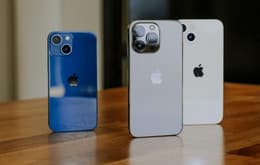
  • Design and Build: The iPhone 13 has dimensions of 146.7 x 71.5 x 7.65 mm and weighs 174g. The larger iPhone 16 Plus measures 160.9 x 77.8 x 7.8 mm and weighs 199g, reflecting its bigger screen and battery. Both devices feature a Ceramic Shield front cover for enhanced durability and an aluminum frame.

Weight

173 g

199 g

Screen size (in)

6.1

6.7

Mobile network

5G

5G

SIM card

Physical SIM + eSIM

Physical SIM + eSIM

Carrier compatibility

Unlocked

Unlocked

Connector

Lightning

USB-C (USB 2)

The iPhone 13 and iPhone 16 Plus cater to different user needs and expectations, largely due to the generational advancements between their respective releases. The iPhone 13, a device from 2021, is often praised by users for its robust battery life for its class and its capable camera system, which significantly improved low-light performance compared to its predecessors. Common criticisms for the iPhone 13 often point to its 60Hz display and the absence of a telephoto lens.

Conversely, the iPhone 16 Plus, a 2024 model, has been well-received for its extended battery life, the introduction of the versatile Action Button, and the dedicated Camera Control button. Users appreciate its more powerful A18 chip and the integration of Apple Intelligence features, which enhance overall performance and smart capabilities. Its upgraded camera system, including macro photography and spatial video recording, also garners positive attention.

Users prioritizing a more compact device with solid performance for everyday tasks and a long software support window may find the iPhone 13 well-suited to their needs. It remains a reliable option for those seeking a quality-assured refurbished alternative. However, users who value a larger, more immersive display, cutting-edge performance for demanding applications, advanced camera features like macro photography and spatial video, and the latest connectivity standards will likely lean towards the iPhone 16 Plus. The iPhone 16 Plus also offers a longer expected lifespan for software updates and significantly improved battery endurance, making it a strong choice for those seeking the most current technology and a sustainable choice for long-term use.

See all articles

Our recent comparisons