Compare models
Galaxy S26 Ultra Vs iPhone 15 Pro Max
- 1-year minimum warranty
- Free delivery on all items
- Free 30-day returns
Differences at a glance
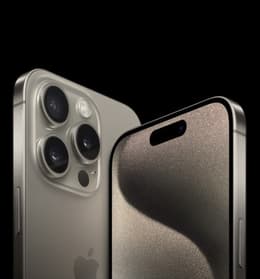
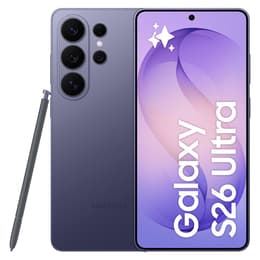
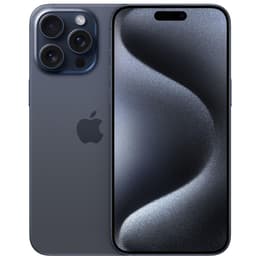
The Samsung Galaxy S26 Ultra (2026) and the Apple iPhone 15 Pro Max (2023) represent high-end mobile technology from different generations and operating systems. While the Galaxy S26 Ultra runs on Android with the latest hardware advancements, the iPhone 15 Pro Max operates on iOS with a titanium chassis that established a modern design standard for Apple. These two smartphones cater to users looking for large-screen productivity and advanced imaging, differing primarily in their software ecosystem, form factor geometry, and evolutionary age.
Available Models
Colour
Storage (GB)
Scores
Durability
When examining software support and physical longevity, both devices offer robust frameworks designed to last for years of daily use, though they approach support lifelines from different release windows.
- Software support timelines: The Galaxy S26 Ultra benefits from an extended multi-year update commitment typical of current flagship releases, whereas the iPhone 15 Pro Max follows Apple's established pattern of long-term iOS updates spanning multiple years from its debut.
- Repairability and build resilience: Both handsets utilize durable exterior frames and reinforced glass panels, though repair accessibility varies by region and authorized service availability for each respective manufacturer.
- Expected practical lifespan: Users can anticipate smooth operation and reliable daily functionality from either model over a multi-year span, aided by substantial internal performance headroom.
Year of Release
2026
2023
Compatible with latest Update
Yes
Yes
OS
Android
iOS
Foldable
No
No
Performance
Underneath the exterior, both devices manage demanding workloads, multitasking routines, and everyday applications efficiently while offering distinct internal configurations.
- Multitasking and app switching: Both models handle heavy applications, rapid switching, and resource-intensive mobile gaming smoothly, ensuring stutter-free navigation across complex workflows.
- Battery behavior: Each device provides sufficient energy to comfortably clear a full day of mixed usage, though charging speeds and daily battery retention vary depending on screen-on time and background activity.
- Storage configurations: Both lineups offer generous base storage tiers alongside larger capacity options, accommodating extensive photo libraries and downloaded media without immediate storage constraints.
Screen quality
Visual output and display engineering represent major focal points for both flagships, delivering sharp text reproduction and vivid content consumption experiences.
- Display technology: Both smartphones feature expansive OLED panels that produce deep black levels, high contrast ratios, and vivid color reproduction for video streaming and web browsing.
- Outdoor visibility: High peak brightness capabilities on both screens ensure that menus, maps, and camera viewfinders remain legible under direct sunlight.
- Refresh rate smoothness: Adaptive high refresh rate support on both displays enables fluid scrolling through feeds and responsive touch feedback during gaming sessions.
Resolution
1440 x 3120
1290 x 2796
Audiovisual
Imaging capabilities are central to both devices, utilizing multi-lens arrays to capture detailed stills and stable video footage across diverse lighting conditions.
- Lens versatility: Both systems combine primary wide sensors with ultra-wide options and dedicated telephoto zoom capabilities, allowing users to frame subjects from wide landscapes to distant details.
- Low-light performance: Advanced image processing on both handsets reduces noise in dim environments, preserving clarity and color accuracy during evening photography.
- Video recording: Both smartphones record high-resolution video with stabilization features, making them reliable tools for capturing smooth handheld footage and media creation.
Front camera
12.0
12 megapixels
Miscellaneous
Practical daily usability elements, physical dimensions, and connectivity standards shape how each device feels and interacts with external accessories.
- Connectivity standards: Both models support 5G network speeds, advanced Wi-Fi protocols, and Bluetooth for reliable peripheral pairing and fast data transfers.
- Physical dimensions and handling: The Galaxy S26 Ultra features a slightly more squared profile designed to accommodate an integrated stylus, while the iPhone 15 Pro Max utilizes contoured titanium edges with a more rounded hand-feel.
- Authentication methods: The Galaxy S26 Ultra offers both facial recognition and an in-display fingerprint sensor, whereas the iPhone 15 Pro Max relies exclusively on facial mapping technology.
Weight
214 g
221 g
Screen size (in)
6.9
6.7
Mobile network
5G
5G
SIM card
Dual Physical SIM + eSIM
Physical SIM + eSIM
Carrier compatibility
Unlocked
Unlocked
Connector
USB-C
USB-C
What the community thinks
Users evaluating these two smartphones will find that choice largely comes down to software preference and ecosystem familiarity. Community discussions frequently highlight the Galaxy S26 Ultra for its integration of productivity tools and display real estate, while the iPhone 15 Pro Max receives praise for its video recording reliability, titanium build ergonomics, and straightforward iOS interface. Users prioritizing deep customization, multitasking versatility, and stylus integration may prefer the Samsung ecosystem, while those invested in Apple services will find the iPhone 15 Pro Max a seamless fit for their daily routine. For consumers seeking a sustainable choice, a quality-assured refurbished option provides a reliable pathway to high-end mobile technology without requiring a brand-new purchase.