Compare models
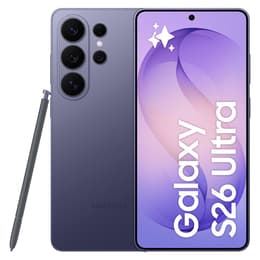
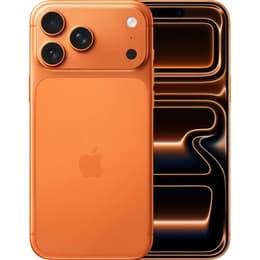
Galaxy S26 Ultra Vs iPhone 17 Pro Max
- 1-year minimum warranty
- Free delivery on all items
- Free 30-day returns
Differences at a glance
The Samsung Galaxy S26 Ultra (2026) and the Apple iPhone 17 Pro Max (2025) represent the pinnacle of large-screen flagship smartphones from their respective ecosystems. While both devices deliver top-tier mobile technology, expansive displays, and versatile camera capabilities, they operate on different software platforms and utilize distinct hardware philosophies.
The Galaxy S26 Ultra runs on Android with Samsung's customized interface, whereas the iPhone 17 Pro Max operates on iOS, creating a primary division based on software preference and ecosystem integration.
Available Models
Colour
Storage (GB)
Scores
Durability
Both smartphones are built for long-term daily use, featuring extended software support windows and robust physical materials designed to withstand years of active handling.
- Software Support: Both manufacturers provide multi-year operating system upgrades and security patches, ensuring both devices remain secure and current for many years.
- Build Durability: Each model incorporates high-grade glass protection and sturdy frame constructions that resist everyday wear, drops, and scratches effectively.
- Repairability: Both devices feature structured internal layouts that allow authorized service centers to replace aging components like batteries, extending the total practical lifespan.
Year of Release
2026
2025
Compatible with latest Update
Yes
Yes
OS
Android
iOS
Foldable
No
No
Performance
Equipped with advanced current-generation processors and ample memory configurations, both devices handle intensive tasks, extensive multitasking, and demanding mobile games with consistent smoothness.
- Multitasking and Memory: Generous random access memory capacities allow numerous heavy applications to remain open in the background without forcing sudden reloads.
- System Responsiveness: App switching, web browsing, and graphics-heavy operations execute fluidly, supported by advanced internal cooling designs that maintain steady processing speeds during prolonged use.
- Battery Behavior: Both models integrate large-capacity power cells optimized for efficiency, typically lasting through a full day of mixed usage before requiring a recharge.
Screen quality
The Galaxy S26 Ultra and iPhone 17 Pro Max feature large, high-resolution OLED displays that deliver sharp text, deep black levels, and wide viewing angles suitable for all forms of media consumption.
- Display Technology: Advanced organic light-emitting diode panels provide high contrast and vivid color reproduction, enhancing movies, photos, and general interface navigation.
- Outdoor Visibility: Exceptional peak brightness levels ensure the screens remain easily legible even under direct sunlight or bright outdoor environments.
- Refresh Rate: Adaptive high refresh rate technology allows fast scrolling and fluid motion graphics while automatically scaling down during static viewing to conserve battery power.
Resolution
1440 x 3120
2868x1320
Audiovisual
Photography and videography capabilities on both flagships are exceptionally robust, featuring multi-lens configurations designed to handle diverse lighting conditions and creative scenarios.
- Lens Versatility: Both phone series combine high-resolution main sensors with ultra-wide options and dedicated telephoto lenses to support flexible framing from close-up macro shots to distant subjects.
- Video Recording: Advanced video stabilization, high-resolution capture modes, and professional logging profiles allow users to record smooth, high-fidelity footage in various environments.
- Audio and Media Output: Stereo speaker systems produce clear, balanced sound output for hands-free calls, media playback, and casual gaming without requiring external speakers.
Front camera
12.0
18 megapixels
Miscellaneous
Practical daily usability elements, including connectivity standards, biometric sensors, and physical dimensions, define how each device integrates into a traveler's or professional's routine.
- Connectivity Standards: Both devices support fast cellular networks, modern Wi-Fi frequencies, and precise satellite positioning systems for reliable navigation and data transfer.
- Biometric Security: Each phone incorporates secure facial recognition technology, while the Samsung model additionally features an embedded ultrasonic fingerprint sensor beneath the display.
- Physical Handling: Large screen sizes contribute to substantial physical dimensions and weights, meaning both devices require two-handed use for comfortable, extended typing and navigation.
Weight
214 g
233 g
Screen size (in)
6.9
6.9
Mobile network
5G
5G
SIM card
Dual Physical SIM + eSIM
Physical SIM + eSIM
Carrier compatibility
Unlocked
Unlocked
Connector
USB-C
USB-C
What the community thinks
Users evaluating these two flagships often point out that the choice ultimately rests on personal software preference and desired ecosystem integration. Common praise for the Galaxy S26 Ultra centers on its expansive screen estate, integrated stylus functionality, and flexible file management, though some users note its large footprint can feel cumbersome in smaller pockets. Conversely, the iPhone 17 Pro Max receives frequent commendation for its seamless ecosystem connectivity, video recording quality, and optimized battery efficiency, while critics occasionally mention restrictions tied to file sharing outside of its native operating system.
Users prioritizing deep customization, multitasking flexibility, and stylus input will find the Galaxy S26 Ultra well-suited to their workflow, while users prioritizing straightforward media creation, long-term software continuity, and tight integration with tablet and desktop companions may lean toward the iPhone 17 Pro Max. For consumers interested in a sustainable choice, exploring a quality-assured refurbished option provides a practical way to acquire these advanced technologies while reducing electronic waste.