
Compare models
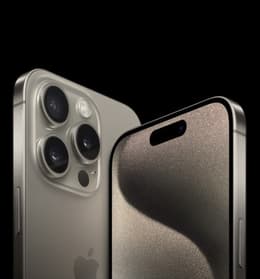
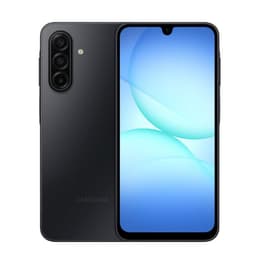
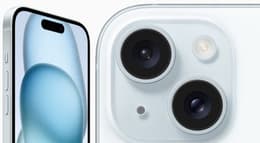
Galaxy A17 Vs iPhone 15 Plus
- 1-year minimum warranty
- Free delivery on all items
- Free 30-day returns
Differences at a glance
The Samsung Galaxy A17 (2025) and the Apple iPhone 15 Plus (2023) are large-screen smartphones designed to deliver reliable daily functionality. While both devices feature generous displays, they operate on different software ecosystems, with the Galaxy A17 running Android and the iPhone 15 Plus utilizing iOS. Their primary differentiators lie in platform ecosystem preferences, long-term software support frameworks, and hardware engineering approaches.
Available Models
Colour
Storage (GB)
Scores
Durability
Both smartphones provide extended usability windows, though they approach longevity through different software policies and build configurations.
- Software longevity: The Galaxy A17 features an extended update commitment spanning multiple years of security and platform upgrades, while the iPhone 15 Plus benefits from Apple's traditionally long iOS support cycle.
- Build and durability: The iPhone 15 Plus utilizes a color-infused glass back and aluminum frame with advanced water resistance ratings, whereas the Galaxy A17 focuses on practical everyday resilience.
- Repairability: Both manufacturers provide structured service channels, helping extend the active operational lifespan of each device through component replacements.
Year of Release
2025
2023
OS
Android
iOS
Foldable
No
No
Performance
System responsiveness varies across these models based on hardware optimization, multitasking capabilities, and battery management profiles.
- Multitasking and daily speed: The iPhone 15 Plus handles demanding applications and intensive graphics smoothly, while the Galaxy A17 manages routine multitasking, social media apps, and web browsing reliably with its octa-core processor.
- Storage capacity: Both devices offer tiered internal storage configurations to accommodate photos, applications, and local media files.
- Battery behavior: The Galaxy A17 incorporates a high-capacity battery designed to easily sustain typical daily usage, and the iPhone 15 Plus similarly provides dependable day-to-long-day power endurance for mixed tasks.
Screen quality
Visual experiences on both handsets center on large-form-factor panels tailored for media consumption and text readability.
- Display technology: Both models feature bright OLED-based panels that deliver deep contrast levels, vibrant colors, and sharp text rendering.
- Refresh rate and fluidity: The Galaxy A17 includes a high refresh rate display for smoother scrolling through menus, whereas the iPhone 15 Plus relies on optimized touch responsiveness and system animations.
- Outdoor visibility: High peak brightness capabilities on both screens allow content to remain legible under direct sunlight or bright ambient lighting conditions.
Resolution
1080x2340
1290 x 2796
Screen type
Super AMOLED
Super Retina XDR OLED
Audiovisual
Optics and media capture hardware are tuned to handle casual photography, low-light scenes, and video recording.
- Main photography: The iPhone 15 Plus employs a high-resolution primary sensor alongside computational photography tools for detailed everyday shots, while the Galaxy A17 features a versatile multi-lens rear camera array.
- Video and audio: Both smartphones record stable, high-definition video clips and feature clear microphone systems suitable for voice calls and virtual meetings.
- Media playback: Stereo speaker setups on both devices deliver balanced audio output for podcasts, videos, and speakerphone use.
Main camera
50 megapixels
48 megapixels
Miscellaneous
Physical design factors, connectivity standards, and daily handling characteristics differ slightly between the two form factors.
- Connectivity: Both models support modern 5G networks, fast Wi-Fi standards, and Bluetooth pairing for wireless accessories.
- Ports and charging: The iPhone 15 Plus uses a universal USB-C connector, and the Galaxy A17 supports standard USB-C fast charging protocols.
- Handling and dimensions: Both phones feature large footprints suited for two-handed use, balanced by slim profiles and ergonomic edge designs.
Weight
192 g
201 g
Screen size (in)
6.7
6.7
Mobile network
5G
5G
SIM card
Physical SIM
Physical SIM + eSIM
Carrier compatibility
Unlocked
Unlocked
Connector
USB-C
USB-C
What the community thinks
User feedback from online communities highlights distinct user preferences for each device. Owners of the Galaxy A17 frequently praise its dependable battery endurance, smooth display refresh rate, and extensive software support window relative to its class. Meanwhile, users of the iPhone 15 Plus often emphasize satisfaction with its premium build quality, robust processing power for games, and seamless integration into the broader iOS ecosystem. Common discussions note that prospective buyers should weigh software ecosystem preference heavily before choosing.
Users prioritizing an Android interface, expandable feature value, and long-term security updates may prefer the Galaxy A17, while users prioritizing iOS workflows, robust graphics performance, and ecosystem continuity will lean toward the iPhone 15 Plus. Choosing a quality-assured refurbished option provides an eco-friendly alternative that reduces electronic waste while delivering fully tested hardware performance. Ultimately, the right choice depends entirely on individual software familiarity and daily task requirements.