Galaxy S10 Vs Sony Xperia 5 IV

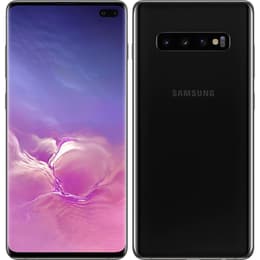
Galaxy S10
Galaxy S10
Starting at

Refurbished price:£108.00

Versus £639.00 new

See options
Sony Xperia 5 IV
Sony Xperia 5 IV
Starting at

Refurbished price:£298.00

Versus £1,199.00 new

See options

Ratings

The Samsung Galaxy S10, released in March 2019, and the Sony Xperia 5 IV, launched in September 2022, represent different generations of Android smartphones. While both offer a compact form factor, the Xperia 5 IV benefits from more recent advancements in processing power, camera technology, and battery capacity. Both devices operate on the Android platform, though with varying levels of software support due to their respective release dates.

Scores

Durability

The practical lifespan of a smartphone is often influenced by its release timeline and the duration of software support it receives.

  • Release Timeline: The Galaxy S10 was introduced in March 2019, making it an older device compared to the Xperia 5 IV, which arrived in September 2022. This difference in release dates significantly impacts their expected software longevity.
  • Software Longevity: The Galaxy S10 received its last major Android operating system upgrade with Android 12, and security updates have since concluded. In contrast, the Sony Xperia 5 IV launched with Android 12 and is upgradable to Android 14, with ongoing security updates expected for a longer period. Users prioritizing extended software support will find the Xperia 5 IV offers a longer practical lifespan.
  • Physical Durability: Both devices feature robust builds. The Galaxy S10 is protected by Gorilla Glass 6 and carries an IP68 rating for water and dust resistance. The Xperia 5 IV utilizes the newer Gorilla Glass Victus for enhanced screen and back panel protection and boasts IP65/IP68 ratings for water and dust resistance.

Year of Release

2019

2022

Compatible with latest Update

No

No

OS

Android

Android

Foldable

No

No

Performance

Performance differences between these two devices are largely a result of the technological advancements made in the years separating their releases.

  • Processing Capabilities: The Galaxy S10, with its older generation processor, handles everyday applications and multitasking smoothly, but may show limitations with the most demanding modern games or intensive applications. The Xperia 5 IV, featuring a more recent processor, delivers a responsive experience, adept at managing demanding apps, graphic-intensive games, and extensive multitasking without significant slowdowns.
  • Battery Performance: The Galaxy S10 is equipped with a 3400 mAh battery, which typically provides a full day of moderate use. The Xperia 5 IV houses a larger 5000 mAh battery, offering extended usage times, with users often reporting it can last through a full day of heavy use or even two days with lighter usage.
  • Storage and Multitasking: The Galaxy S10 was available with 8GB or 12GB of RAM and storage options up to 1TB (for some variants), with microSD expansion. The Xperia 5 IV comes with 8GB of RAM and 128GB or 256GB of internal storage, expandable via microSD card up to 1TB. Both offer ample storage for most users, and 8GB of RAM on both devices supports efficient multitasking.

Memory (GB)

8 GB

8 GB

Screen quality

Both smartphones offer vibrant displays, but there are notable distinctions in their technology and viewing experience.

  • Display Technology and Resolution: The Galaxy S10 features a 6.1-inch Dynamic AMOLED display with a QHD+ resolution (3040 x 1440 pixels), providing a very sharp and detailed image. The Xperia 5 IV also has a 6.1-inch OLED display, but with an FHD+ resolution (2520 x 1080 pixels). While the S10 has a higher pixel density, both offer excellent clarity for typical viewing.
  • Refresh Rate and Brightness: The Galaxy S10 has a standard 60Hz refresh rate, which is suitable for everyday interactions. The Xperia 5 IV, however, features a 120Hz refresh rate, resulting in smoother scrolling and a more fluid visual experience. The Xperia 5 IV's display is also noted for being significantly brighter, improving visibility in outdoor conditions.
  • Aspect Ratio: The Xperia 5 IV features a 21:9 aspect ratio, which provides a wider viewing area, particularly beneficial for cinematic content.

Resolution

1440 x 3040

1080 x 2520

Screen type

Dynamic AMOLED

OLED

Audiovisual

Both devices are equipped with versatile camera systems designed to capture a range of photographic and video content.

  • Rear Camera Systems: The Galaxy S10 features a triple-lens rear camera setup, including a 12MP wide-angle lens, a 16MP ultra-wide-angle lens, and a 12MP telephoto lens with 2x optical zoom. The Xperia 5 IV also comes with a triple 12MP camera system, comprising a 24mm wide-angle, a 16mm ultra-wide-angle, and a 60mm telephoto lens with 2.5x optical zoom.
  • Photography Performance: The Galaxy S10 delivers consistent image quality in good lighting, with its dual-aperture main lens adapting to different light conditions. The Xperia 5 IV emphasizes a more natural image processing style and includes advanced features like real-time Eye AF and object tracking across all lenses, benefiting from Sony's camera expertise.
  • Video Recording and Front Camera: The Galaxy S10 supports 4K video recording. The Xperia 5 IV offers more advanced video capabilities, including 4K HDR video recording at up to 120 frames per second across all three rear cameras. For selfies, the Galaxy S10 has a 10MP front camera, while the Xperia 5 IV features a 12MP front camera, which is an upgrade over its predecessor.
  • Audio Experience: Both smartphones include stereo speakers for an immersive audio experience and retain a 3.5mm headphone jack, which is a notable feature for audio enthusiasts.

Main camera

12 megapixels

12 megapixels

Front camera

10 megapixels

12 megapixels

Miscellaneous

Beyond core features, several practical elements differentiate the user experience of these two devices.

  • Connectivity: The Galaxy S10 supports Wi-Fi 6 and Bluetooth 5.0, offering reliable wireless connections. The Xperia 5 IV features more advanced connectivity with Wi-Fi 6E and Bluetooth 5.2, alongside 5G network support, providing faster and more efficient wireless communication.
  • Ports and Sensors: Both devices utilize a USB-C port for charging and data transfer. The Galaxy S10 features an ultrasonic in-display fingerprint sensor, while the Xperia 5 IV has a side-mounted fingerprint sensor integrated into the power button. Both also notably retain the 3.5mm headphone jack.
  • Design and Handling: The Galaxy S10 measures 149.9 x 70.4 x 7.8mm and weighs 157g. The Xperia 5 IV is slightly taller and thicker but narrower at 156 x 67 x 8.2mm and weighs 172g, maintaining a compact feel that is comfortable for one-handed use. Both devices feature a premium construction with glass front and back panels and metal frames.

Weight

175 g

172 g

Screen size (in)

6.1

6,1

Mobile network

4G

5G

SIM card

Physical SIM

Physical SIM + eSIM

Carrier compatibility

Unlocked

Unlocked

Connector

USB-C + Jack 3.5mm

USB-C + Jack 3.5mm

User feedback for the Samsung Galaxy S10 often praises its vibrant QHD+ display and the inclusion of a headphone jack and expandable storage. Some common criticisms, however, point to its battery life compared to newer devices and the conclusion of major software updates. The Sony Xperia 5 IV is frequently lauded for its exceptional battery life, compact design, and advanced camera features, particularly its video capabilities and the continued presence of a 3.5mm headphone jack. Some users have noted that its display resolution is not as high as some competitors, and its processor can experience thermal throttling under sustained heavy loads.

Users who prioritize a very sharp display and a slightly lighter device for everyday tasks might find the Galaxy S10 still meets their needs. However, for those who require extended software support, superior battery endurance, a smoother high refresh rate display, and more advanced camera features, especially for video recording, the Sony Xperia 5 IV presents a more contemporary option. Both devices offer a compact form factor, appealing to users who prefer smaller phones. Considering a quality-assured refurbished option for either model can be an eco-friendly alternative, providing access to these features while extending the product's lifecycle.

See all articles

Our recent comparisons