Galaxy S10 Vs iPhone 13

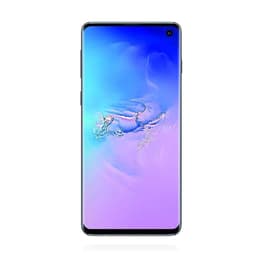
Galaxy S10
Galaxy S10
Starting at

Refurbished price:£108.00

Versus £639.00 new

See options
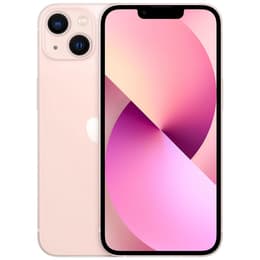
iPhone 13
iPhone 13
Starting at

Refurbished price:£204.00

Versus £599.00 new

See options

Ratings

The Samsung Galaxy S10, released in early 2019, and the Apple iPhone 13, launched in late 2021, represent two distinct generations of smartphone technology. While the Galaxy S10 was a pioneer of the hole-punch display and versatile triple-camera systems on the Android platform, the iPhone 13 arrived two years later with a focus on refined design, significant battery improvements, and advanced video capabilities. These devices operate on fundamentally different ecosystems—Android and iOS respectively—meaning the choice between them often involves weighing legacy hardware features against modern software longevity and processing efficiency.

The primary differences between these two models lie in their release timing and the resulting gap in hardware capabilities. The Galaxy S10 offers a more traditional hardware experience with features like a headphone jack and expandable storage, whereas the iPhone 13 prioritises a streamlined, high-performance user experience with a focus on long-term software support and modern connectivity standards. This comparison explores how these differences impact daily usage for different types of users.

Scores

Durability

The age difference between these two devices significantly impacts their expected lifespan and the duration of software support they will receive from their respective manufacturers.

  • Software Support and Updates: The iPhone 13 has a clear advantage in terms of longevity, as it was released much later than the Galaxy S10. While the Galaxy S10 has largely reached the end of its major operating system update cycle, the iPhone 13 is expected to receive the latest software versions and security patches for several more years. This ensures that the iPhone 13 remains compatible with the latest apps and protected against emerging security threats for a longer period. Choosing a quality-assured refurbished option for the iPhone 13 can be a practical way to secure a device with a long remaining functional life.
  • Build Durability and Repairability: Both phones feature glass and aluminium constructions, but the iPhone 13 introduces a more durable front cover material designed to resist drops and scratches more effectively than the glass used on the Galaxy S10. In terms of repairability, the Galaxy S10 features a curved screen which can be more complex and delicate to replace compared to the flat display of the iPhone 13. However, both manufacturers have established repair networks, though the older age of the S10 may eventually make certain original replacement parts less common.

Year of Release

2019

2021

Compatible with latest Update

No

Yes

OS

Android

iOS

Foldable

No

No

Performance

Performance differences are most noticeable when running demanding applications or multitasking between several resource-heavy tasks.

  • System Responsiveness: The iPhone 13 features a more modern internal architecture that provides a very smooth and responsive experience during everyday use. Users will notice that apps open almost instantly and navigating through the interface feels fluid. The Galaxy S10, while still capable of handling standard tasks like web browsing and social media, may show signs of slowing down when faced with the latest high-end mobile games or intensive video editing software due to its older processing hardware.
  • Battery Efficiency and Multitasking: The iPhone 13 is designed with a focus on power efficiency, allowing it to last through a full day of typical use more reliably than the Galaxy S10. While the Galaxy S10 includes more physical memory (RAM), which helps with keeping many apps open in the background, the iPhone 13 manages its resources in a way that maintains consistent speed even during heavy workloads. For users who rely on their phones for long periods away from a charger, the newer internal components of the iPhone 13 offer a more dependable experience.

Memory (GB)

8 GB

4 GB

Screen quality

Both devices utilise high-quality display technology, but they offer different visual experiences based on their design philosophies and technical specifications.

  • Display Technology and Clarity: The Galaxy S10 features a curved display with a very high resolution, providing exceptional sharpness and detail that is particularly noticeable when viewing high-definition photos or text. The iPhone 13 uses a flat OLED panel that prioritises colour accuracy and high brightness levels. While the Galaxy S10 has a higher pixel density, the iPhone 13 is capable of reaching higher peak brightness, making it easier to read and use in direct sunlight or bright outdoor environments.
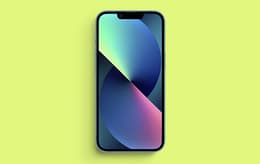
  • Viewing Experience and Smoothness: The Galaxy S10 offers an immersive viewing experience thanks to its slim bezels and small camera cutout. In contrast, the iPhone 13 retains a notch at the top of the screen for its facial recognition sensors, which some users may find more noticeable during video playback. Both screens offer standard refresh rates that provide a smooth experience for scrolling and animations, though the vibrant nature of the OLED panels on both devices ensures deep blacks and high contrast for all types of media consumption.

Resolution

1440 x 3040

1170 x 2532

Screen type

Dynamic AMOLED

Super Retina XDR OLED

Audiovisual

The camera systems on these devices reflect the different priorities of their release years, with one focusing on lens variety and the other on processing refinement.

  • Photography Versatility: The Galaxy S10 is equipped with a triple-camera system that includes a dedicated telephoto lens for optical zooming. This allows users to capture distant subjects with more detail than the iPhone 13, which lacks a zoom lens. However, the iPhone 13 excels in everyday photography with its dual-camera setup, offering better dynamic range and more natural skin tones. In low-light conditions, the iPhone 13 generally produces clearer images with less noise thanks to more advanced image processing software.
  • Video and Audio Recording: For users who record a lot of video, the iPhone 13 provides a more advanced set of features, including improved stabilisation and a cinematic mode that adds a professional-looking focus effect to recordings. The Galaxy S10 remains a solid performer for casual video, but it lacks the sophisticated software enhancements found in the newer model. Both devices feature high-quality microphones that capture clear audio for calls and videos, though the iPhone 13 tends to offer slightly better wind noise reduction during outdoor recording.

Main camera

12 megapixels

12 megapixels

Front camera

10 megapixels

12 megapixels

Miscellaneous

Practical features such as connectivity and physical ports can significantly influence how a device fits into a user's existing ecosystem of accessories.

  • Connectivity and Ports: A major differentiator is the inclusion of a 3.5mm headphone jack and a microSD card slot on the Galaxy S10, features that are absent on the iPhone 13. This makes the S10 well-suited for users who prefer wired headphones or need to expand their storage capacity easily. On the other hand, the iPhone 13 supports 5G connectivity, providing much faster mobile data speeds in areas with 5G coverage, whereas the standard Galaxy S10 is limited to 4G networks.
  • Biometrics and Handling: The Galaxy S10 uses an ultrasonic fingerprint sensor embedded under the screen, which allows for quick unlocking even if fingers are slightly damp. The iPhone 13 relies on Face ID, a facial recognition system that is highly secure and integrated deeply into the software for authenticating payments and app logins. In terms of handling, the Galaxy S10 is slightly lighter and narrower due to its curved edges, while the iPhone 13 has a flat-edged design that many users find provides a more secure grip during one-handed use.

Weight

175 g

173 g

Screen size (in)

6.1

6.1

Mobile network

4G

5G

SIM card

Physical SIM

Physical SIM + eSIM

Carrier compatibility

Unlocked

Unlocked

Connector

USB-C + Jack 3.5mm

Lightning

In summary, the choice between the Galaxy S10 and the iPhone 13 depends largely on whether a user prioritises legacy hardware flexibility or modern software longevity. According to user discussions on various tech forums, the Galaxy S10 is still praised for its high-resolution display and the convenience of the headphone jack, though many users note that its battery life and software performance have begun to decline with age. Conversely, the iPhone 13 receives consistent praise for its exceptional battery endurance, smooth performance, and high-quality video recording, with the main criticisms being the lack of a dedicated zoom lens and the presence of the screen notch.

Users who require expandable storage, a headphone jack, or a high-resolution curved display may find the Galaxy S10 aligns better with their specific needs. However, those who prioritise 5G connectivity, long-term software updates, and a more powerful camera for video will likely find the iPhone 13 to be the more suitable choice. Opting for a sustainable choice like a quality-assured refurbished model allows users to access these features while reducing electronic waste and supporting a more circular economy. Ultimately, both devices remain functional and capable, serving as reliable tools for communication and media consumption depending on individual user preferences.

See all articles

Our recent comparisons