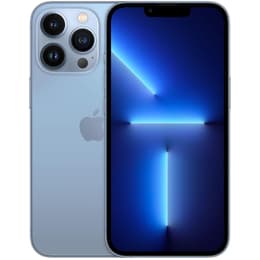

Google Pixel 8 Vs iPhone 13 Pro

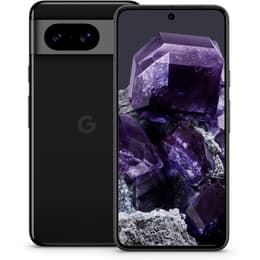
Google Pixel 8
Google Pixel 8
Starting at

Refurbished price:£187.00

Versus £699.99 new

See options
iPhone 13 Pro
iPhone 13 Pro
Starting at

Refurbished price:£232.00

Versus £949.00 new

See options

Ratings

The Google Pixel 8, released in 2023, and the iPhone 13 Pro, launched in 2021, represent two distinct approaches to the modern smartphone experience. While the Pixel 8 introduces the latest software innovations from Google, the iPhone 13 Pro remains a powerful and versatile contender within the Apple ecosystem. These devices differ significantly in their release timing, operating systems, and hardware priorities. The Pixel 8 runs on Android, offering deep integration with Google services and AI-driven features, whereas the iPhone 13 Pro utilizes iOS, known for its consistent interface and long-term stability across devices.

Scores

Durability

The two years separating these devices significantly impact their expected software longevity and long-term support cycles for users.

  • Software Support: The Pixel 8 is notable for Google's commitment to seven years of operating system and security updates, potentially keeping the device current until 2030. In contrast, the iPhone 13 Pro typically receives around six to seven years of support from its 2021 launch, meaning its update cycle may conclude several years earlier than the Google model.
  • Repairability and Parts: Google has established partnerships to ensure genuine parts are available for the Pixel 8, facilitating easier maintenance for those who wish to keep their device for many years. The iPhone 13 Pro also has a wide network of repair options, though some internal components are more tightly integrated into the hardware, requiring professional assistance for most fixes.
  • Build Longevity: Both phones feature robust glass and metal constructions designed to withstand daily wear, though the Pixel 8's newer release date means its internal components are two generations more recent, which may influence how well it handles future software demands.

Year of Release

2023

2021

Compatible with latest Update

Yes

Yes

OS

Android

iOS

Foldable

No

No

Performance

Performance on these devices is tailored toward smooth daily interactions, though they handle demanding tasks with different levels of efficiency and hardware management.

  • System Responsiveness: The Pixel 8 excels in handling AI-assisted tasks, such as real-time translation and voice recognition, with high responsiveness. The iPhone 13 Pro remains remarkably fluid in 2026, managing high-end mobile games and intensive video editing applications without noticeable lag or stuttering.
  • Multitasking and Memory: With its generous memory allocation, the Pixel 8 keeps multiple applications open in the background effectively, allowing for quick switching between tasks. The iPhone 13 Pro uses efficient software management to ensure that switching between social media, work documents, and navigation remains seamless despite having different internal memory specifications.
  • Battery Endurance: In typical daily use, the Pixel 8's battery is designed to last through a full day of mixed activity, supported by software that learns user habits to save power. The iPhone 13 Pro is frequently cited by users for its consistent power management, often maintaining enough charge for a full day of use even when running demanding applications.

Memory (GB)

8 GB

6 GB

Screen quality

Both smartphones feature high-quality OLED displays that offer deep contrast and fluid motion, though they differ in peak brightness and specific viewing technologies.

  • Display Fluidity: Both devices support a 120Hz refresh rate, which makes scrolling through lists and system animations appear much smoother than on standard screens. This technology adjusts dynamically to save power when high speeds are not required, such as when viewing a static photo.
  • Outdoor Visibility: The Pixel 8 features a display capable of reaching very high brightness levels, making it easier to read text or view photos under direct sunlight. The iPhone 13 Pro also offers excellent clarity outdoors, though its maximum brightness is slightly lower than the newer Google model, which may be noticeable in extremely bright environments.
  • Color and Clarity: The iPhone 13 Pro is praised for its natural color calibration and sharp resolution, which is ideal for viewing high-definition media and professional photo editing. The Pixel 8 provides vibrant colors and deep blacks, ensuring a high-quality visual experience for streaming video and gaming.

Resolution

1080 x 2400

1170 x 2532

Screen type

OLED

Super Retina XDR OLED

Audiovisual

The camera systems on these devices cater to different photographic needs, with one focusing on software-enhanced imagery and the other on optical versatility.

  • Photography Features: The Pixel 8 relies heavily on advanced software processing to produce clear, well-exposed photos in various lighting conditions, including a dedicated mode for night photography. The iPhone 13 Pro includes a dedicated telephoto lens, allowing for better quality when zooming in on distant subjects, a feature the standard Pixel 8 lacks.
  • Video Capabilities: Video recording on the iPhone 13 Pro is widely regarded for its stability and natural skin tones, making it a preferred choice for mobile videographers. The Pixel 8 offers strong video performance with features that help reduce background noise and improve clarity in recordings through digital processing.
  • Audio and Speakers: Both phones provide stereo sound through dual speakers, delivering clear audio for calls and media consumption. The microphone arrays on both devices are designed to isolate the user's voice, ensuring high-quality audio during video calls or voice memos even in moderately noisy environments.

Main camera

50 megapixels

12 megapixels

Front camera

10.5 megapixels

12 megapixels

Miscellaneous

Practical considerations such as connectivity standards and physical ports play a significant role in the daily user experience of these two smartphones.

  • Connectivity and Ports: The Pixel 8 utilizes the widely compatible USB-C port for charging and data transfer, and it supports the latest Wi-Fi standards for faster home internet. The iPhone 13 Pro uses the Lightning port and supports 5G and Wi-Fi 6, which remain very fast for current mobile needs but may require different cables than most modern electronics.
  • Security and Biometrics: For unlocking the device, the Pixel 8 offers both a fingerprint sensor under the screen and facial recognition for convenience. The iPhone 13 Pro relies on a sophisticated facial recognition system that works effectively even in low-light environments, though it does not include a fingerprint scanning option.
  • Physical Handling: The iPhone 13 Pro has a slightly more substantial feel due to its stainless steel frame, which provides a sense of durability. The Pixel 8 is slightly lighter and features more rounded edges, which some users find more comfortable for one-handed use over long periods.

Weight

187 g

203 g

Screen size (in)

6.2

6.1

Mobile network

5G

5G

SIM card

Physical SIM + eSIM

Physical SIM + eSIM

Carrier compatibility

Unlocked

Unlocked

Choosing between the Google Pixel 8 and the iPhone 13 Pro involves weighing the benefits of a newer, AI-focused device against a proven, versatile former flagship. User feedback on community forums often highlights the Pixel 8's impressive software features and the long-term security of its seven-year update promise. Conversely, iPhone 13 Pro users frequently praise the device's consistent performance and the utility of its telephoto lens, which remains a significant advantage for those who take many portraits or distance shots. Some criticisms of the Pixel 8 mention that it can become warm during intensive tasks, while some iPhone 13 Pro users note that the transition to USB-C in newer models makes the Lightning port feel slightly less convenient in a modern setup.

Users who prioritize having the latest software innovations and the longest possible support window will likely find the Pixel 8 to be the more suitable choice for their needs. Those who require a dedicated zoom lens for photography or who are already deeply integrated into the Apple ecosystem may prefer the iPhone 13 Pro. For those looking to make a sustainable choice, a quality-assured refurbished option for either device provides an eco-friendly alternative to buying new. Ultimately, both smartphones offer high-quality experiences that remain relevant in 2026, with the decision resting on whether one prefers Google's software-first approach or Apple's hardware versatility and ecosystem consistency.


See all articles

Our recent comparisons