Google Pixel 6 Vs iPhone 15

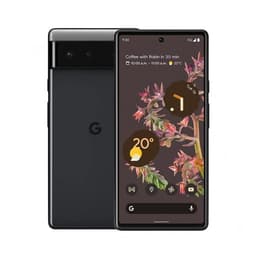
Google Pixel 6
Google Pixel 6
Starting at

Refurbished price:£101.00

Versus £649.99 new

See options
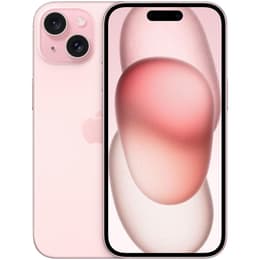
iPhone 15
iPhone 15
Starting at

Refurbished price:£325.00

Versus £699.00 new

See options

Ratings

The Google Pixel 6, released in 2021, and the iPhone 15, launched in 2023, represent different eras of smartphone technology and distinct operating system philosophies. While the Pixel 6 introduced a bold new design language for Android users, the iPhone 15 brought significant modernisations to the iOS ecosystem, including the transition to universal charging ports. Choosing between these two involves weighing the benefits of a mature, customisable Android experience against a newer, tightly integrated iOS device designed for long-term reliability. Both smartphones cater to users who value high-quality photography and smooth software performance, but they do so through very different hardware and software approaches.

Scores

Durability

The age gap between these two devices significantly impacts their expected lifespan and software support cycles in the coming years.

  • Software Longevity: The iPhone 15, being a much newer release, is expected to receive operating system updates and security patches for several more years compared to the Pixel 6, which is approaching the end of its guaranteed update window for major version changes.
  • Build and Repair: Both manufacturers have made strides in repairability, but the iPhone 15 features an internal design that allows for easier back glass replacement, while the Pixel 6 is built with a sturdy frame that has proven resilient over several years of real-world use.
  • Practical Lifespan: Users looking for a device to last well into the late 2020s will find the iPhone 15 more suitable, whereas the Pixel 6 serves as a functional choice for those with shorter-term needs or those who do not mind missing out on the latest software versions.

Year of Release

2021

2023

Compatible with latest Update

Yes

Yes

OS

Android

iOS

Foldable

No

No

Performance

Daily performance remains reliable on both devices, though the newer internals of the iPhone 15 provide a more responsive experience during demanding tasks.

  • System Responsiveness: The iPhone 15 handles intensive multitasking and high-end mobile gaming with consistent smoothness, while the Pixel 6 remains capable for standard apps, social media, and web browsing despite its older hardware architecture.
  • Battery Behaviour: In typical daily use, the iPhone 15 is designed for efficient power management that comfortably lasts a full day, whereas the Pixel 6 features a larger physical battery capacity that supports heavy usage but may show signs of age in older units.
  • Storage and Multitasking: Both devices offer various storage capacities to house photos and apps, with the iPhone 15 providing slightly more headroom for background processes, ensuring apps stay open and ready for use without frequent reloading.

Memory (GB)

8 GB

6 GB

Screen quality

The viewing experience differs primarily in terms of fluid motion and outdoor visibility, with each screen offering unique advantages for different types of content.

  • Display Technology: The Pixel 6 uses an OLED panel with a 90Hz refresh rate, which makes scrolling through menus and lists appear smoother than the standard 60Hz display found on the iPhone 15.
  • Brightness and Clarity: The iPhone 15 features a significantly brighter display that remains easy to read even under direct sunlight, alongside the Dynamic Island feature which integrates notifications and background activities into the top of the screen.
  • Size and Handling: With a 6.4-inch screen, the Pixel 6 offers a larger canvas for watching videos and reading, while the 6.1-inch iPhone 15 is more compact and easier to navigate with one hand for most users.

Resolution

1080 x 2400

1179 x 2556

Screen type

AMOLED

Super Retina XDR OLED

Audiovisual

Both smartphones are highly regarded for their photographic capabilities, though they approach image processing and video recording with different priorities.

  • Photography Style: The Pixel 6 is known for its high-contrast, detailed still images and excellent skin tone representation, while the iPhone 15 produces natural-looking photos with a high-resolution main sensor that allows for detailed cropping without losing clarity.
  • Video Capabilities: For users who record a lot of video, the iPhone 15 offers advanced stabilisation and cinematic features that result in professional-looking footage, generally outperforming the Pixel 6 in terms of consistency and low-light video clarity.
  • Audio Experience: Both devices feature stereo speakers that provide clear audio for media consumption, though the iPhone 15 tends to offer a slightly fuller sound profile with more pronounced bass during music playback and video calls.

Main camera

50 megapixels

48 megapixels

Front camera

8 megapixels

12 megapixels

Miscellaneous

Practical hardware features and connectivity standards define the daily interaction and physical handling of these two smartphones.

  • Connectivity and Ports: Both devices utilise USB-C for charging and data transfer, making them compatible with a wide range of modern accessories and cables, and both support 5G networks for fast mobile data speeds.
  • Biometric Security: The Pixel 6 relies on an under-display fingerprint sensor for unlocking, whereas the iPhone 15 uses facial recognition technology, which many users find more seamless for hands-free authentication in various lighting conditions.
  • Physical Build: The Pixel 6 is notably heavier and larger, which may feel more substantial in the hand, while the iPhone 15 uses a lightweight aluminium frame and contoured edges that improve comfort during extended periods of use.

Weight

207 g

171 g

Screen size (in)

6.4

6.1

Mobile network

5G

5G

SIM card

Physical SIM + eSIM

Physical SIM + eSIM

Carrier compatibility

Unlocked

Unlocked

User feedback on community forums highlights the distinct strengths of both devices. The Pixel 6 is often praised for its unique aesthetic and the intelligent features of its software, such as accurate voice typing and automated call screening. However, some users have noted that its fingerprint sensor can be slower than traditional physical scanners. Conversely, the iPhone 15 receives high marks for its exceptional build quality, reliable battery life, and the convenience of the Dynamic Island, though some enthusiasts express a desire for a faster screen refresh rate similar to those found on other modern devices.

Users who prioritise a smooth, high-refresh-rate screen and a highly customisable Android interface may find the Pixel 6 fits their lifestyle well. On the other hand, those who value long-term software support, superior video recording, and a more compact design will likely lean toward the iPhone 15. For those looking to make a sustainable choice, a quality-assured refurbished option provides a way to access these technologies while reducing environmental impact. Ultimately, the decision rests on whether you prefer the innovative software features of the Google ecosystem or the polished, long-lasting reliability of the Apple ecosystem. Choosing a sustainable choice like a refurbished device ensures you get a high-performing smartphone while contributing to a more circular economy.

See all articles

Our recent comparisons