
Compare models
Galaxy S24+ Vs Galaxy S26 Ultra
- 1-year minimum warranty
- Free delivery on all items
- Free 30-day returns
Differences at a glance
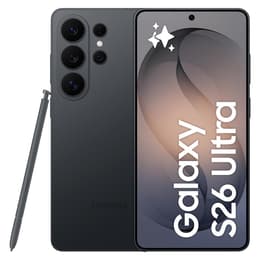
The Samsung Galaxy S24+ (2024) and the Samsung Galaxy S26 Ultra (2026) represent different generations and tiers within Samsung's flagship Android smartphone lineup. While the Galaxy S24+ serves as a large-screen mid-tier flagship, the Galaxy S26 Ultra functions as a top-tier powerhouse featuring an integrated stylus, advanced optics, and a larger physical footprint. Both devices operate on the Android operating system paired with Samsung's custom interface, though they arrive from different release years. These models cater to distinct user requirements regarding screen space, physical handling, and specialized mobile tools.
Available Models
Colour
Storage
Scores
Durability
When evaluating hardware longevity and software support, both devices benefit from long-term manufacturer commitments while differing in their current age and release schedules.
- Software Support Window: Both models feature extensive multi-year software update commitments from Samsung, helping keep the operating system secure and current over time, though the newer model provides an extended timeline starting from a later baseline.
- Release Timeline and Wear: The Galaxy S24+ has a head start in age, meaning units circulating in the secondary market have accumulated more operational cycles, whereas the Galaxy S26 Ultra represents recent manufacturing standards.
- Repairability and Build Integrity: Both handsets utilize robust aluminum or reinforced frames alongside durable glass construction, maintaining standard repair pathways supported by professional technician networks.
Year of Release
2024
2026
Compatible with latest Update
Yes
Yes
OS
Android
Android
Foldable
No
No
Performance
Under everyday workloads, both devices deliver responsive multitasking, swift app launching, and reliable battery behavior tailored to modern mobile applications.
- Multitasking and App Handling: Both models feature substantial random access memory allocations that allow seamless switching between demanding productivity applications, navigation tools, and media streaming services without noticeable stutter.
- Processor Efficiency: Equipped with capable current-generation processing architecture, both smartphones handle complex tasks smoothly, though the newer model benefits from refined thermal management and generational speed gains for intensive mobile gaming.
- Battery Endurance: Both devices house large-capacity batteries designed to navigate a full day of standard use, supported by energy-efficient display panels and adaptive power management software.
Screen quality
Display characteristics differ primarily in physical dimensions and peak viewing specifications, though both utilize advanced panel technology.
- Display Technology and Clarity: Both devices incorporate vibrant Dynamic AMOLED panels featuring high refresh rates that ensure smooth scrolling, sharp text rendering, and deep contrast levels for media consumption.
- Screen Real Estate: The Galaxy S24+ provides a spacious 6.7-inch viewing area, while the Galaxy S26 Ultra expands further to a 6.9-inch canvas, offering additional room for split-screen multitasking and document editing.
- Outdoor Legibility: High peak brightness capabilities on both screens allow content to remain clear and legible even under direct sunlight or bright ambient lighting conditions.
Resolution
1440 x 3120
1440 x 3120
Audiovisual
Imaging capabilities vary significantly based on the lens configurations and specialized sensor hardware built into each chassis.
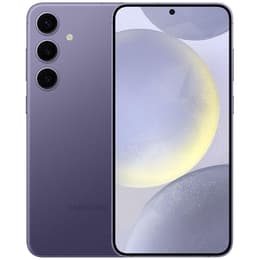
- Camera System Versatility: The Galaxy S24+ relies on a dependable triple-lens array suitable for everyday wide, ultra-wide, and telephoto captures, whereas the Galaxy S26 Ultra integrates a more complex quad-lens system featuring a high-resolution primary sensor for enhanced detail extraction.
- Low-Light and Zoom Photography: Users prioritizing distant subject magnification or challenging lighting conditions will find the advanced telephoto hardware on the Ultra model yields sharper results, while the S24+ handles standard casual photography reliably.
- Audio and Video Output: Both smartphones record high-definition video with effective stabilization and feature stereo speakers that deliver balanced sound output for hands-free calls and casual media viewing.
Front camera
12 megapixels
12.0
Miscellaneous
Physical handling, connectivity standards, and integrated accessory support separate these two devices in daily practical use.
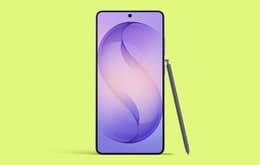
- Design and Dimensions: The Galaxy S24+ features rounded corners and a lighter chassis weight, making it comfortable for one-handed pocket carry, while the larger, boxier frame of the Galaxy S26 Ultra accommodates an integrated stylus for note-taking.
- Connectivity Standards: Both models support rapid 5G cellular networks, modern Wi-Fi standards, and Bluetooth pairing for seamless accessory connection.
- Security and Biometrics: Fast in-display fingerprint sensors and facial recognition options provide secure, immediate device unlocking on both handsets.
Weight
196 g
214 g
Screen size (in)
6.7
6.9
Mobile network
5G
5G
SIM card
Dual Physical SIM + eSIM
Physical SIM + eSIM
Carrier compatibility
Unlocked
Unlocked
What the community thinks
Users evaluating these two smartphones will find that their choice depends heavily on physical preferences and specialized feature requirements. Users prioritizing a lighter daily carry, a slightly more compact footprint, and a traditional smartphone layout will find the Galaxy S24+ well-suited to their routine. Conversely, users prioritizing maximum screen workspace, an integrated writing stylus, and advanced camera hardware will lean toward the Galaxy S26 Ultra. Reviewers and everyday owners frequently praise the dependable day-to-day responsiveness and vivid display quality of both devices, though some note that the larger Ultra model can feel cumbersome in smaller pockets. For buyers exploring sustainable technology, choosing a quality-assured refurbished option provides an eco-friendly alternative that extends the lifecycle of these high-end electronics. Ultimately, both options deliver robust performance matching different consumer workflows without unnecessary complication.