Compare models

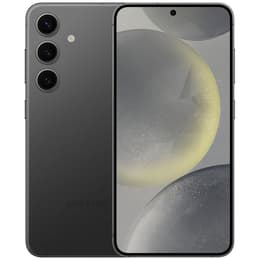
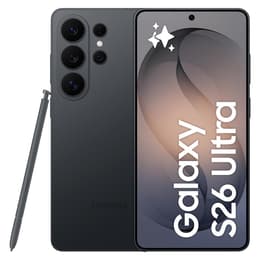
Galaxy S24 Vs Galaxy S26 Ultra

  • 1-year minimum warranty
  • Free delivery on all items
  • Free 30-day returns
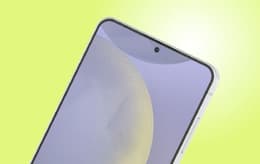
Galaxy S24
Starting at

Refurbished price:£275.00

Versus £817.67 new

See options
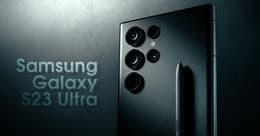
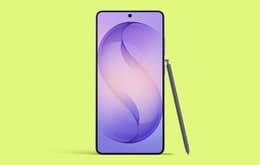
Galaxy S26 Ultra
Starting at

Refurbished price:£855.00

Versus £1,279.00 new

See options

Differences at a glance

The Samsung Galaxy S24 (2024) and the Samsung Galaxy S26 Ultra (2026) represent different generations and tiers within Samsung's smartphone lineup, contrasting a compact flagship format with a larger, feature-rich powerhouse. While both devices run on the Android operating system with custom software interfaces, they cater to distinct handling preferences and hardware capabilities. Choosing between them involves weighing physical size and everyday utility against advanced imaging tools and processing headroom.

Available Models

Colour

Storage

Scores

Durability

When examining longevity and hardware support, both devices benefit from extended software update commitments, though their release timelines place them at different stages of their lifecycle.

  • Software support timelines: Both models receive multi-year operating system and security updates from the manufacturer, though the newer model benefits from an extended support window due to its more recent release year.
  • Repairability and build resilience: Each device utilizes sturdy frame construction and protected glass panels designed to withstand everyday wear, with standard repair options widely available through certified service networks.
  • Expected practical lifespan: Users can expect many years of reliable daily operation from either device, with the Galaxy S26 Ultra retaining an advantage in long-term software relevance due to its later launch date.

Year of Release

2024

2026

Compatible with latest Update

Yes

Yes

OS

Android

Android

Foldable

No

No

Performance

Processing power and daily operational speed differ noticeably based on hardware generations, affecting how each device manages heavy workloads and background tasks.

  • Multitasking and app switching: The Galaxy S26 Ultra features higher random access memory allocations, allowing for smoother handling of split-screen applications and rapid switching between demanding software.
  • Gaming and heavy applications: Both smartphones handle standard mobile games and media streaming effortlessly, but the Galaxy S26 Ultra provides sustained high performance during extended gaming sessions through advanced thermal management.
  • Storage and battery behavior: The larger frame of the Galaxy S26 Ultra accommodates a higher-capacity battery designed to sustain heavy use throughout a full day, whereas the Galaxy S24 offers a more compact footprint that requires mindful power management during intensive tasks.

Screen quality

Display characteristics vary significantly in physical dimensions, brightness output, and viewing area, directly influencing media consumption and outdoor visibility.

  • Panel technology and clarity: Both devices utilize advanced organic light-emitting diode displays that deliver deep black levels, sharp text rendering, and vivid color reproduction for everyday viewing.
  • Size and physical footprint: The Galaxy S24 features a smaller, pocket-friendly screen size suited for single-handed use, while the Galaxy S26 Ultra offers an expansive viewing canvas designed for productivity and immersive media watching.
  • Outdoor visibility and refresh rates: Both screens support high refresh rates for smooth scrolling and incorporate high peak brightness levels to maintain clarity under direct sunlight.

Resolution

1080 x 2340

1440 x 3120

Audiovisual

Imaging hardware and audio output capabilities diverge to support different creative workflows and media consumption habits.

  • Camera versatility: The Galaxy S24 provides a reliable multi-lens setup for standard wide and ultra-wide photography, whereas the Galaxy S26 Ultra introduces a more complex configuration including high-resolution telephoto lenses for detailed long-range zoom.
  • Low-light and video performance: Both smartphones capture clear details in dim environments, though the larger image sensors on the Ultra variant gather more light and reduce digital noise in challenging lighting conditions.
  • Audio and media output: Stereo speaker setups on both devices deliver clear sound for hands-free calls and casual video viewing, supported by responsive multi-microphone arrays for voice recording.

Front camera

12 megapixels

12.0

Miscellaneous

Physical dimensions, connectivity standards, and daily handling features create distinct user experiences outside of core processing and display metrics.

  • Handling and ergonomics: The Galaxy S24 prioritizes a lightweight, compact form factor that fits easily into small pockets and bags, while the Galaxy S26 Ultra is a larger, heavier device that includes an integrated stylus for note-taking and precision tasks.
  • Connectivity and ports: Both models support current-generation wireless networks, rapid Bluetooth pairing, and high-speed Wi-Fi standards, utilizing a universal USB-C port for charging and data transfer.
  • Authentication sensors: Each smartphone integrates secure biometric unlocking methods, featuring responsive fingerprint recognition embedded beneath the display alongside facial recognition options.

Weight

167 g

214 g

Screen size (in)

6.2

6.9

Mobile network

5G

5G

SIM card

Dual Physical SIM + eSIM

Physical SIM + eSIM

Carrier compatibility

Unlocked

Unlocked

Connector

USB-C

USB-C

What the community thinks

User discussions across community forums highlight distinct preferences for each device based on physical size and feature sets. Owners of the Galaxy S24 frequently praise its lightweight design, ease of pocketability, and comfortable single-handed operation for everyday communication. Conversely, users drawn to the Galaxy S26 Ultra often emphasize appreciation for its expansive display workspace, integrated stylus functionality, and versatile camera system capable of handling complex photography tasks. Common criticisms for the smaller model focus on more frequent battery replenishment during heavy use, while the larger model receives occasional notes regarding its substantial physical footprint and weight.

Users prioritizing portability, comfortable single-handed use, and a streamlined device footprint will find the Galaxy S24 well-suited to their daily routines. Meanwhile, users who value expansive screen space, advanced photography options, and productivity tools will lean toward the Galaxy S26 Ultra. For those seeking an eco-friendly, quality-assured alternative, opting for a certified refurbished version of either model provides a sustainable path to acquiring these capabilities. Ultimately, the choice depends entirely on whether physical compactness or maximum hardware versatility aligns better with individual daily requirements.