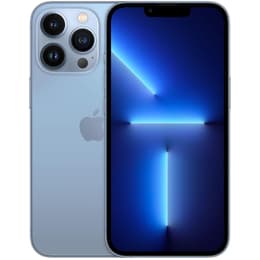
Galaxy S24 Vs iPhone 13 Pro

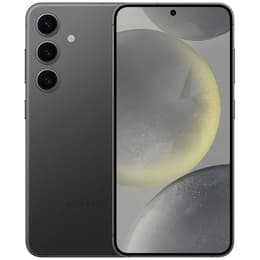
Galaxy S24
Galaxy S24
Starting at

Refurbished price:£271.00

Versus £817.67 new

See options
iPhone 13 Pro
iPhone 13 Pro
Starting at

Refurbished price:£232.00

Versus £949.00 new

See options

Ratings

The Samsung Galaxy S24 (2024) and the Apple iPhone 13 Pro (2021) represent two different eras of flagship smartphone technology. While the Galaxy S24 is a more recent standard flagship, the iPhone 13 Pro was the high-end professional model of its time. The primary differences lie in their release dates, operating systems—Android for the Samsung and iOS for the Apple—and the integration of modern artificial intelligence features in the newer Samsung model. Both devices offer premium experiences but cater to different user preferences regarding software ecosystems and hardware age.

Scores

Durability

The Galaxy S24 and iPhone 13 Pro offer different outlooks on longevity based on their release cycles and manufacturer support policies.

  • Software Support: The Galaxy S24 benefits from a commitment to seven years of security and operating system updates, potentially lasting until 2031. In contrast, the iPhone 13 Pro, released in 2021, typically receives around six to seven years of support, meaning it may reach its final major update around 2027 or 2028.
  • Build and Durability: The iPhone 13 Pro features a stainless steel frame and Ceramic Shield, providing significant structural rigidity, while the Galaxy S24 uses a reinforced aluminium frame. Both devices have high water and dust resistance ratings, but the Galaxy S24 is designed with more modern internal modularity, which can simplify certain common repairs like battery replacements.
  • Practical Lifespan: Because the Galaxy S24 is three years newer, its internal components are less likely to face hardware limitations in the near future. However, the iPhone 13 Pro was engineered as a professional-grade device, meaning its initial build quality was intended to withstand heavy use over several years.

Year of Release

2024

2021

Compatible with latest Update

Yes

Yes

OS

Android

iOS

Foldable

No

No

Performance

Despite the age gap, both smartphones handle modern applications with ease, though they prioritise different aspects of the user experience.

  • System Responsiveness: The Galaxy S24 utilises a more recent processor that excels at handling new artificial intelligence tasks and complex multitasking without generating excessive heat. The iPhone 13 Pro remains fluid for everyday tasks, social media, and high-end gaming, thanks to the historical efficiency of its internal architecture and software optimisation.
  • Multitasking and Memory: Users who frequently switch between many demanding apps will find the Galaxy S24's modern memory management capable. The iPhone 13 Pro, while having less raw memory on paper, uses a highly efficient system that keeps background apps ready for instant access, ensuring a seamless experience for professional workflows.
  • Battery Behaviour: In typical daily use, the Galaxy S24 benefits from newer power-saving technologies in its display and processor. The iPhone 13 Pro was widely recognised at launch for its endurance, and it still provides a full day of use for most moderate users, though it may require more frequent charging during intensive video recording or gaming sessions compared to the newer Samsung.

Memory (GB)

8 GB

6 GB

Screen quality

The viewing experience on these two devices highlights the evolution of mobile display technology over a three-year period.

  • Brightness and Outdoor Visibility: The Galaxy S24 features a display capable of reaching much higher peak brightness levels, making it easier to read under direct sunlight or in bright outdoor environments. The iPhone 13 Pro offers a clear and bright screen, but it does not reach the same extreme levels as the newer Samsung model.
  • Smoothness and Motion: Both phones utilise adaptive refresh rate technology, which allows the screen to move at up to 120Hz for smooth scrolling and gaming. This makes animations look fluid on both devices, though the Galaxy S24 can scale its refresh rate lower to save power when the screen is static.
  • Colour and Clarity: The iPhone 13 Pro is known for its natural colour calibration, which is often preferred by photographers and video editors for its accuracy. The Galaxy S24 provides a vibrant visual style with deep blacks and high contrast, which many users find engaging for watching movies or browsing photos.

Resolution

1080 x 2340

1170 x 2532

Screen type

Dynamic LTPO AMOLED 2X

Super Retina XDR OLED

Audiovisual

The camera systems on these devices reflect a choice between the latest software-driven enhancements and established professional-grade hardware.

  • Photography Versatility: The Galaxy S24 uses a high-resolution main sensor and advanced software processing to produce sharp, detailed images in various lighting conditions. The iPhone 13 Pro features a triple-lens system that includes a dedicated macro mode for close-up photography and a LiDAR scanner, which helps with focusing quickly in dark environments.
  • Video Capabilities: For users who record a lot of video, the iPhone 13 Pro offers professional formats that allow for greater flexibility during editing. The Galaxy S24 counters with impressive stabilisation and the ability to record in high resolutions, alongside AI-assisted tools that can remove unwanted objects from frames or adjust lighting after the shot is taken.
  • Audio Experience: Both devices provide clear stereo sound through their speakers, suitable for media consumption. The Galaxy S24's microphones are tuned for clear voice isolation during calls, while the iPhone 13 Pro is often praised for the rich, balanced audio pickup in its video recordings.

Main camera

50 megapixels

12 megapixels

Front camera

12 megapixels

12 megapixels

Miscellaneous

Practical daily handling and connectivity are influenced by the different design philosophies and ports used by each manufacturer.

  • Physical Handling: The Galaxy S24 is notably lighter and slightly more compact, making it comfortable to use with one hand for extended periods. The iPhone 13 Pro is heavier due to its stainless steel construction, giving it a more substantial feel in the hand which some users associate with durability.
  • Connectivity and Ports: The Galaxy S24 uses the universal USB-C standard for charging and data transfer, and it supports the latest Wi-Fi and 5G standards for faster internet speeds. The iPhone 13 Pro uses the Lightning port and supports 5G, though its Wi-Fi capabilities are one generation behind the Samsung.
  • Biometrics and Sensors: Samsung utilises an ultrasonic fingerprint sensor hidden under the glass, which works well even if fingers are slightly damp. Apple uses facial recognition technology, which provides a secure and hands-free way to unlock the device and authorise payments, though it requires a clear view of the user's face.

Weight

167 g

203 g

Width

7,06 cm

7,15 cm

Height

14,7 cm

14,67 cm

Depth

0,76 cm

0,76 cm

Screen size (in)

6.2

6.1

Mobile network

5G

5G

SIM card

Dual Physical SIM + eSIM

Physical SIM + eSIM

Carrier compatibility

Unlocked

Unlocked

Connector

USB-C

Lightning

Based on community discussions and user forums, the Galaxy S24 is frequently praised for its lightweight design and the helpfulness of its new AI-driven features, such as real-time translation and advanced photo editing. However, some users note that the battery life, while improved, still requires daily charging for heavy users. The iPhone 13 Pro continues to receive acclaim for its exceptional video quality and the premium feel of its stainless steel frame. Some long-term users have mentioned that the device feels noticeably heavier than modern standard models and that the Lightning port is becoming less convenient as more accessories move to USB-C.

Users who prioritise having the latest software features, a lighter device, and a longer window of guaranteed updates may find the Galaxy S24 aligns best with their needs. Conversely, those who value professional-grade video recording, a more substantial physical build, and the specific interface of the iOS ecosystem might lean toward the iPhone 13 Pro. Choosing a quality-assured refurbished option for either of these models allows users to access high-end technology while making a sustainable choice for the environment. Both smartphones remain highly capable tools that serve different priorities in the modern mobile landscape.

See all articles

Our recent comparisons