
Galaxy S21 5G Vs iPhone 13 Pro

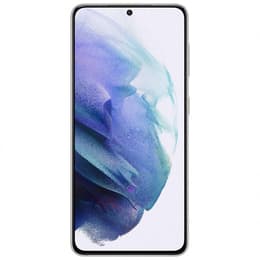
Galaxy S21 5G
Galaxy S21 5G
Starting at

Refurbished price:£128.00

Versus £829.00 new

See options
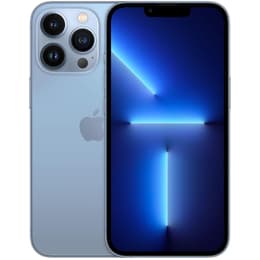
iPhone 13 Pro
iPhone 13 Pro
Starting at

Refurbished price:£232.00

Versus £949.00 new

See options

Ratings

The Samsung Galaxy S21 5G (released January 2021) and the iPhone 13 Pro (released September 2021) are both high-end smartphones that offer distinct user experiences. While the Galaxy S21 5G operates on the Android platform, the iPhone 13 Pro runs on iOS, presenting fundamental differences in their ecosystems. Key differentiators include their respective operating systems, camera philosophies, and display technologies.

Scores

Durability

The longevity of a smartphone is influenced by its release timeline, software support, and physical resilience. Both devices offer robust build quality, but their software support lifecycles differ due to their respective operating systems.

  • Release Timeline: The Galaxy S21 5G was released in January 2021, while the iPhone 13 Pro followed in September 2021.
  • Software Support: Samsung typically provides four years of Android operating system updates and five years of security updates for its flagship devices from 2019 onwards. The Galaxy S21 5G received Android 14 (One UI 6) in January 2024 and Android 15 (One UI 7) in May 2025, with an expected update to One UI 8.5 (Android 16) by June 2026. Conversely, Apple generally offers 5-6 years of major iOS updates. The iPhone 13 Pro, launched with iOS 15, has received updates up to iOS 18 (released late 2024) and is compatible with iOS 26.
  • Physical Durability: Both devices feature an IP68 rating for water and dust resistance. The iPhone 13 Pro incorporates a Ceramic Shield front cover, designed for enhanced durability. The Galaxy S21 5G, however, utilizes a plastic back.

Year of Release

2021

2021

Compatible with latest Update

Yes

Yes

OS

Android

iOS

Foldable

No

No

Performance

Performance is a critical aspect for daily use, encompassing everything from app responsiveness to battery endurance. Both devices are equipped with capable internal components designed for smooth operation.

  • Processing Power: The Galaxy S21 5G features an octa-core processor, which can be either the Exynos 2100 or Snapdragon 888 depending on the region, paired with 8GB of RAM. This configuration allows it to handle demanding applications and multitasking effectively, with users reporting it remains smooth and responsive even years after its release. The iPhone 13 Pro is powered by Apple's A15 Bionic chip and includes 6GB of RAM. This combination delivers strong performance, ensuring quick app loading and fluid navigation.
  • Battery Life: The Galaxy S21 5G houses a 4000mAh battery. While some users find its battery life to be very good, others have noted that it can drain faster than expected with heavy usage. The iPhone 13 Pro is equipped with a 3095mAh battery. It offers a significant improvement in battery endurance compared to its predecessors, with many users experiencing extended usage times, sometimes lasting through a full day of intensive use.
  • Storage Options: The Galaxy S21 5G is available with 128GB or 256GB of internal storage. The iPhone 13 Pro offers more varied storage capacities, including 128GB, 256GB, 512GB, and a 1TB option.

Memory (GB)

8 GB

6 GB

Screen quality

The display is the primary interface for smartphone interaction, and both models offer high-quality viewing experiences with distinct characteristics.

  • Display Technology and Size: The Galaxy S21 5G features a 6.2-inch Dynamic AMOLED 2X display. The iPhone 13 Pro comes with a slightly smaller 6.1-inch Super Retina XDR OLED display. Both technologies deliver deep blacks and vibrant colors.
  • Resolution and Clarity: The Galaxy S21 5G has a resolution of 1080 x 2400 pixels, resulting in clear visuals. The iPhone 13 Pro offers a higher resolution of 2532 x 1170 pixels, providing sharp and detailed imagery.
  • Brightness and Refresh Rate: The Galaxy S21 5G's display can reach a peak brightness of 1300 nits, and features an adaptive 120Hz refresh rate for smooth scrolling and responsiveness. The iPhone 13 Pro's display offers a typical brightness of 1000 nits and a peak HDR brightness of 1200 nits. It also includes ProMotion technology, providing an adaptive refresh rate up to 120Hz, which contributes to a fluid user experience.

Resolution

1080 x 2400

1170 x 2532

Screen type

Dynamic AMOLED 2X

Super Retina XDR OLED

Audiovisual

Both smartphones are equipped with advanced camera systems, though they approach photography and videography with different strengths and features.

  • Rear Camera System: The Galaxy S21 5G features a triple-lens rear camera setup, including a 12MP main sensor, a 64MP telephoto lens with 3x hybrid zoom, and a 12MP ultrawide lens. It is capable of recording video in 8K resolution. The iPhone 13 Pro also has a triple 12MP camera system, consisting of wide, ultrawide, and telephoto lenses, with the telephoto offering 3x optical zoom. It also includes a LiDAR scanner for improved depth sensing.
  • Photography Performance: The Galaxy S21 5G is noted for its versatile camera system, good dynamic range, and fast focus, though some users have observed occasional excessive noise reduction. The iPhone 13 Pro offers significant improvements in low-light photography, particularly with its wide and ultrawide cameras, and features an impressive macro mode for close-up shots.
  • Video Capabilities: The Galaxy S21 5G supports 8K video recording and includes a 'Director's View' mode, allowing users to switch between different camera perspectives while filming. The iPhone 13 Pro offers 4K video recording at up to 60 frames per second and introduces 'Cinematic mode' for video with shallow depth of field, along with ProRes video recording capabilities.
  • Front Camera: The Galaxy S21 5G has a 10MP front camera. The iPhone 13 Pro features a 12MP front camera.

Main camera

12 megapixels

12 megapixels

Front camera

10 megapixels

12 megapixels

Miscellaneous

Beyond core features, several practical elements contribute to the overall user experience, including connectivity, physical design, and additional sensors.

  • Connectivity and Ports: Both devices support 5G connectivity and Wi-Fi 6 for fast wireless internet. The Galaxy S21 5G uses a USB-C port for charging and data transfer. The iPhone 13 Pro utilizes Apple's proprietary Lightning port. Both support Bluetooth 5.0 or 5.1.
  • Biometric Security: The Galaxy S21 5G incorporates an in-screen fingerprint sensor for secure unlocking. The iPhone 13 Pro relies on Face ID, Apple's facial recognition system.
  • Physical Design and Handling: The Galaxy S21 5G measures 151.7 x 71.2 x 7.9 mm and weighs 171 grams. The iPhone 13 Pro is slightly more compact at 146.7 x 71.5 x 7.65 mm but heavier at 204 grams, partly due to its stainless steel frame. The Galaxy S21 5G features a plastic back, while the iPhone 13 Pro has a matte glass finish on the back.

Weight

169 g

203 g

Width

7.12 cm

7,15 cm

Height

15.17 cm

14,67 cm

Depth

0.79 cm

0,76 cm

Screen size (in)

6.2

6.1

Mobile network

5G

5G

SIM card

Dual Physical SIM + eSIM

Physical SIM + eSIM

Carrier compatibility

Unlocked

Unlocked

The Samsung Galaxy S21 5G and iPhone 13 Pro, while both premium smartphones, cater to different preferences and priorities. User feedback for the Galaxy S21 5G often praises its vibrant 120Hz AMOLED display and the versatility of its camera system, particularly its ability to record 8K video and the 'Director's View' feature. Some users, however, have expressed concerns regarding its battery life and the processing style of its camera, which can sometimes lead to less natural-looking images.

The iPhone 13 Pro is frequently lauded for its powerful and flexible camera system, which includes significant improvements in low-light performance and a notable macro mode. Its extended battery life, especially compared to previous iPhone models, and the smooth, responsive ProMotion display are also common points of praise.

Users who are deeply integrated into the Android ecosystem, prefer a slightly larger screen, or appreciate Samsung's specific camera features and processing might find the Galaxy S21 5G to be a suitable choice. Conversely, those who prioritize Apple's iOS ecosystem, a highly capable camera system with advanced video features like Cinematic mode and ProRes, or a device known for its robust battery endurance, may lean towards the iPhone 13 Pro. Both devices represent solid options in the smartphone market, and considering a quality-assured refurbished option for either model can be a sustainable choice for consumers.

See all articles

Our recent comparisons