Galaxy S24 Vs iPhone 14

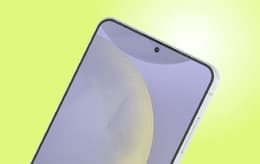
Galaxy S24
Galaxy S24
Starting at

Refurbished price:£273.00

Versus £817.67 new

See options
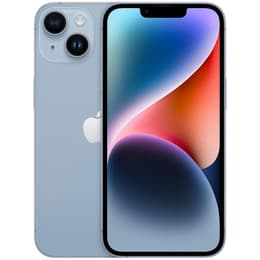
iPhone 14
iPhone 14
Starting at

Refurbished price:£232.00

Versus £599.00 new

See options

Ratings

The Samsung Galaxy S24 (2024) and the Apple iPhone 14 (2022) represent two different eras of smartphone development, despite being available concurrently on the market. While the Galaxy S24 introduces the latest advancements in display technology and integrated software intelligence, the iPhone 14 remains a reliable staple within the iOS ecosystem. Choosing between these two devices involves weighing the benefits of a newer, more versatile hardware package against a proven, user-friendly interface that integrates seamlessly with other Apple services. Both smartphones cater to users seeking a compact flagship experience, but they differ significantly in their approach to screen fluidity and camera versatility.

Scores

Durability

The two-year age gap between these devices significantly impacts their long-term software support and physical resilience, which are key factors for users planning to keep their phone for several years.

  • Software Longevity: The Galaxy S24 is designed for an extended lifecycle, with the manufacturer committing to seven years of operating system and security updates, potentially keeping the device current until 2031. In contrast, the iPhone 14 typically follows a five-to-six-year support cycle from its 2022 launch, meaning its software relevance may conclude several years earlier than its competitor.
  • Physical Build and Repair: Both smartphones utilise high-grade aluminium frames and toughened glass, though the Galaxy S24 features a newer generation of scratch-resistant material on the front. Regarding maintenance, both brands have established repair programmes, but the Galaxy S24's internal layout is slightly more modular, which can simplify certain component replacements over time for professional technicians.

Year of Release

2024

2022

Compatible with latest Update

Yes

Yes

OS

Android

iOS

Foldable

No

No

Performance

Daily responsiveness and multitasking capabilities differ based on the age of the internal components and how the software manages system resources for demanding applications.

  • System Responsiveness: The Galaxy S24 utilises a more recent processor that handles demanding tasks, such as high-definition video editing or complex multitasking, with high efficiency and minimal heat. The iPhone 14, while using hardware from 2022, remains remarkably fluid for everyday applications like social media, web browsing, and messaging, thanks to the tight integration between its hardware and software.
  • Battery and Charging: Users will find that both devices comfortably last through a standard day of moderate use. The Galaxy S24 features a slightly larger battery capacity and supports faster wired charging speeds, allowing for quicker top-ups during busy schedules. The iPhone 14 prioritises consistent power delivery, ensuring that the battery health remains stable over hundreds of charge cycles for long-term reliability.

Memory (GB)

8 GB

6 GB

Screen quality

The viewing experience is one of the most noticeable differences between these two handsets, particularly regarding how smooth the motion appears and how well the screen performs in bright environments.

  • Display Fluidity: The Galaxy S24 features an advanced refresh rate that adjusts up to 120Hz, resulting in incredibly smooth scrolling and animations that reduce perceived lag and eye strain. The iPhone 14 uses a standard 60Hz refresh rate, which is clear and functional but lacks the fluid motion found on the newer Samsung model, which is especially noticeable when gaming or scrolling through long documents.
  • Brightness and Clarity: For users who frequently use their phones outdoors, the Galaxy S24 offers a significantly higher peak brightness, making the screen easier to read under direct sunlight. Both devices use OLED technology, providing deep blacks and vibrant colours, but the Galaxy S24's thinner borders allow for a slightly more immersive viewing area within a similar physical footprint.

Resolution

1080 x 2340

1170 x 2532

Screen type

Dynamic LTPO AMOLED 2X

Super Retina XDR OLED

Audiovisual

Photography enthusiasts will notice a difference in versatility, specifically regarding how each phone handles distance and how the software processes the final image.

  • Lens Versatility: The Galaxy S24 is equipped with a triple-lens system that includes a dedicated telephoto sensor for 3x optical zoom, allowing users to capture clear photos of distant subjects without losing detail. The iPhone 14 relies on a dual-lens system (main and ultra-wide), which excels at wide-angle landscapes but requires digital cropping for zoomed-in shots, which can reduce image clarity.
  • Video and Natural Processing: Apple's iPhone 14 is often preferred by users who record a lot of video, as its stabilisation and natural colour processing are highly consistent across different lighting conditions. The Galaxy S24 counters this with advanced software tools that help clean up low-light images and provide more manual control for those who like to fine-tune their photographic results.

Main camera

50 megapixels

12 megapixels

Front camera

12 megapixels

12 megapixels

Miscellaneous

Practical daily interactions, from how you unlock the phone to how you connect it to other devices, vary between these two models due to different hardware standards.

  • Connectivity and Ports: The Galaxy S24 uses the universal USB-C standard for charging and data transfer, making it compatible with a wide range of modern accessories and laptops. The iPhone 14 features the proprietary Lightning port, which may require specific cables if you are transitioning from non-Apple devices. Both support 5G for fast mobile data speeds and reliable connectivity.
  • Biometrics and Handling: Security is handled differently on each; the Galaxy S24 uses an ultrasonic fingerprint sensor hidden beneath the glass for quick access, while the iPhone 14 uses facial recognition technology. In terms of physical feel, both are compact and easy to use with one hand, though the Galaxy S24 is slightly lighter, which may be preferable for long periods of reading or browsing.

Weight

167 g

172 g

Screen size (in)

6.2

6.1

Mobile network

5G

5G

SIM card

Dual Physical SIM + eSIM

Physical SIM + eSIM

Carrier compatibility

Unlocked

Unlocked

Connector

USB-C

Lightning

The choice between the Galaxy S24 and the iPhone 14 often comes down to whether a user prioritises the latest hardware innovations or a familiar, stable software environment. Based on common user feedback, the Galaxy S24 is frequently praised for its stunningly bright display and the flexibility of its zoom lens, which makes it a favourite for travellers and tech enthusiasts. However, some users find the sheer number of customisation options in the software to be more than they require. The iPhone 14 is lauded for its reliability and the high quality of its video recording, though some long-term users express a desire for the smoother screens found on more recent competitors.

Users who prioritise long-term software support, a versatile camera with optical zoom, and the smoothest possible screen experience will likely find the Galaxy S24 better suited to their needs. Conversely, users who are already invested in the Apple ecosystem or who prefer a straightforward, consistent user interface for video and daily tasks may lean toward the iPhone 14. For those looking to make a sustainable choice, opting for a quality-assured refurbished option is an excellent way to access these technologies while reducing environmental impact. Ultimately, both devices offer a high-quality experience, and choosing a refurbished model from a trusted source ensures you receive a reliable device that has been thoroughly tested for performance while supporting an eco-friendly alternative to buying new.

See all articles

Our recent comparisons