Compare models
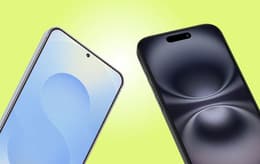
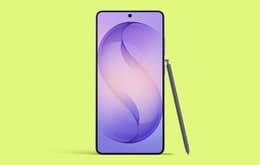
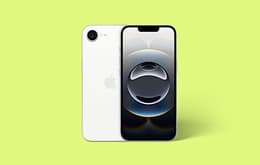
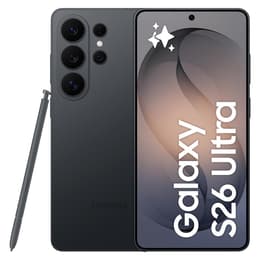
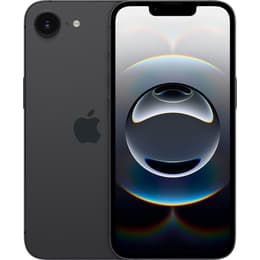
Galaxy S26 Ultra Vs iPhone 16e
- 1-year minimum warranty
- Free delivery on all items
- Free 30-day returns
Differences at a glance
The Samsung Galaxy S26 Ultra (2026) and the Apple iPhone 16e (2025) represent two distinct approaches to modern smartphone design, catering to very different user preferences. While the Galaxy S26 Ultra stands as a large-format flagship loaded with versatile features and an integrated stylus, the iPhone 16e serves as a streamlined, entry-level device focused on core smartphone essentials within the iOS ecosystem. These devices operate on different software platforms, with Samsung utilizing Android and Apple relying on iOS, directly influencing user interface preferences and app integration.
Available Models
Colour
Storage
Scores
Durability
When evaluating long-term usability and hardware longevity, both devices offer robust support structures, though their physical and software lifespans are tailored to different usage cycles.
- Software Support Duration: Both manufacturers provide multi-year operating system and security updates, ensuring both devices remain secure and current for an extended period after release.
- Repairability and Build: Each model incorporates durable materials designed to withstand daily wear, with professional repair networks available globally to address common hardware issues.
- Expected Practical Lifespan: Users can anticipate several years of reliable daily performance from either device, making a quality-assured refurbished option an eco-friendly choice for extending hardware life further.
Year of Release
2026
2025
OS
Android
iOS
Foldable
No
No
Performance
Performance capabilities vary significantly based on hardware architecture and multitasking design, impacting how each device handles intensive daily workloads.
- Multitasking and Responsiveness: The Galaxy S26 Ultra handles heavy app switching and demanding tasks smoothly with abundant memory, whereas the iPhone 16e efficiently manages everyday applications and standard workflows.
- Storage Configurations: Both devices offer multiple storage tiers to accommodate different media and application library sizes without relying on external expansion cards.
- Battery Behavior: The larger chassis of the Galaxy S26 Ultra houses a high-capacity battery suited for prolonged heavy use, while the iPhone 16e relies on efficient power management to sustain standard daily operations.
Screen quality
Display characteristics define the primary visual interaction, differing heavily in physical dimensions, technology implementation, and peak viewing metrics.
- Display Technology: Both models utilize advanced OLED panels that deliver deep contrast levels and sharp text rendering for comfortable reading and media consumption.
- Refresh Rates and Smoothness: The Galaxy S26 Ultra features a high refresh rate panel for fluid scrolling and animations, while the iPhone 16e utilizes a standard refresh rate suited for everyday navigation.
- Brightness and Outdoor Visibility: High peak brightness capabilities on both screens ensure legibility under direct sunlight, though screen sizes differ to accommodate pocketability versus immersive viewing.
Resolution
1440 x 3120
2532x1170
Audiovisual
Imaging and audio hardware shape how users capture memories and consume multimedia content on the go.
- Camera System Versatility: The Galaxy S26 Ultra incorporates a multi-lens array including specialized telephoto options for distant subjects, while the iPhone 16e employs a streamlined single or dual lens setup focused on everyday point-and-shoot photography.
- Low-Light and Video: Both devices provide reliable low-light image processing and stable video recording capabilities suitable for casual documentation and social sharing.
- Audio Output: Built-in stereo speakers on both models deliver clear sound for hands-free calls and media playback without requiring external speakers.
Front camera
12.0
TrueDepth 12MP
Miscellaneous
Physical dimensions, connectivity standards, and daily handling characteristics determine how each phone fits into routine physical use.
- Connectivity and Ports: Both devices support modern 5G networks and fast wireless standards, utilizing standard USB Type-C connections for charging and data synchronization.
- Biometric Security: The Galaxy S26 Ultra offers secure facial recognition alongside an in-display fingerprint sensor, while the iPhone 16e relies exclusively on facial mapping technology.
- Handling and Dimensions: The Galaxy S26 Ultra features a larger, squared physical footprint designed for productivity, whereas the iPhone 16e offers a compact, lightweight profile suited for single-handed operation.
Weight
214 g
167 g
Screen size (in)
6.9
6.1
Mobile network
5G
5G
SIM card
Physical SIM + eSIM
Physical SIM + eSIM
Carrier compatibility
Unlocked
Unlocked
Connector
USB-C
USB-C
What the community thinks
User feedback from online communities highlights distinct advantages for both models, with Galaxy S26 Ultra owners frequently praising its expansive display, versatile camera system, and productivity capabilities. Conversely, iPhone 16e users often emphasize appreciation for its straightforward interface, comfortable one-handed handling, and reliable daily performance within a lightweight frame.
Users prioritizing maximum screen estate, advanced photography zoom options, and multitasking versatility will find the Galaxy S26 Ultra well-suited to their needs. Meanwhile, users who prefer a compact form factor, a streamlined operating system, and essential smartphone functionality often lean toward the iPhone 16e. For those looking to make a sustainable choice, exploring quality-assured refurbished versions of either model offers a practical way to acquire these devices while reducing environmental impact.