Compare models
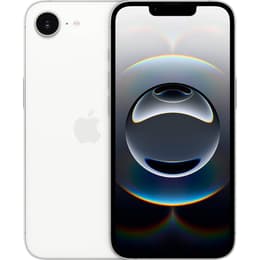
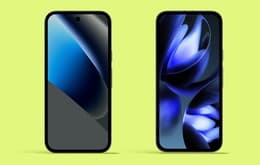
Google Pixel 10a Vs iPhone 16e
- 1-year minimum warranty
- Free delivery on all items
- Free 30-day returns
Differences at a glance
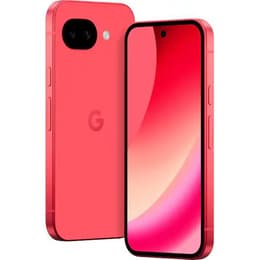
The Google Pixel 10a (2026) and the Apple iPhone 16e (2025) represent streamlined entry points into their respective device ecosystems. While both smartphones focus on delivering core flagship capabilities without unnecessary complexity, they differ significantly in their operating systems, design approaches, and user interfaces. Deciding between them largely depends on whether you prefer the open customization of Android or the integrated ecosystem of iOS.
Available Models
Colour
Storage (GB)
Scores
Durability
Both devices are built to remain functional and secure for many years, though their update cycles and repair ecosystems cater to different expectations for long-term ownership.
- Software support timelines: The Google Pixel 10a benefits from extended software commitments with seven years of major operating system updates, while the iPhone 16e relies on Apple's traditional long-term support model for iOS updates.
- Repairability and durability: Both models feature robust dust and water resistance ratings alongside sturdy aluminum frames, and opting for a quality-assured refurbished option extends device lifespans sustainably.
Year of Release
2026
2025
OS
Android
iOS
Foldable
No
No
Performance
Performance across everyday tasks is fluid and reliable on both platforms, though they manage multitasking and hardware resource allocation differently.
- App responsiveness and multitasking: Both devices handle daily productivity apps, web browsing, and demanding mobile games smoothly, backed by ample memory configurations that keep background apps active without stuttering.
- Battery behavior: The Pixel 10a relies on a generous battery capacity to comfortably power a full day of mixed use, whereas the iPhone 16e optimizes its power efficiency to deliver dependable longevity throughout daily routines.
Screen quality
Display technology on both smartphones delivers crisp visuals and vibrant contrast suitable for media consumption, reading, and outdoor navigation.
- Display panel characteristics: The Pixel 10a utilizes a 6.3-inch OLED panel with a smooth refresh rate, while the iPhone 16e features a 6.1-inch OLED screen with balanced color accuracy and deep black levels.
- Outdoor visibility: Both screens offer sufficient peak brightness levels to remain legible under direct sunlight, ensuring comfortable viewing conditions outdoors.
Resolution
1080x2424
2532x1170
Audiovisual
Optics and multimedia performance are central to both models, offering straightforward tools for capturing everyday moments and high-definition video.
- Camera versatility: The Pixel 10a features a versatile dual-lens rear camera setup supported by advanced computational image processing, whereas the iPhone 16e equips a high-resolution single-lens system capable of sharp everyday photography and digital zoom.
- Audio and media output: Both smartphones integrate stereo speaker systems that provide clear dialogue and balanced sound output for streaming videos or listening to podcasts.
Front camera
13MP
TrueDepth 12MP
Miscellaneous
Physical dimensions and connectivity standards define the handling and practical integration of each device into daily accessories.
- Connectivity and ports: Both models support rapid 5G cellular networks, modern Wi-Fi standards, and universal USB-C connectivity for charging and data transfer.
- Design and biometrics: The Pixel 10a incorporates an in-screen fingerprint sensor paired with facial recognition, while the iPhone 16e relies exclusively on Face ID authentication within a compact form factor.
Weight
183 g
167 g
Screen size (in)
6.3
6.1
Mobile network
5G
5G
SIM card
Physical SIM + eSIM
eSIM
Carrier compatibility
Unlocked
Unlocked
Connector
USB-C
USB-C
What the community thinks
User feedback from online communities highlights distinct preferences for each device. Pixel 10a owners frequently praise the clean software interface, reliable battery capacity, and capable photo editing tools, though some note that the device is slightly heavier in hand. Conversely, iPhone 16e users appreciate the compact ergonomics, robust processing power, and seamless integration with other Apple devices, while occasionally mentioning the limitation of a standard refresh rate display.
Users prioritizing deep software customization, long-term update commitments, and flexible photography will find the Google Pixel 10a well-suited to their needs. Meanwhile, users who prefer the iOS environment, compact handling, and ecosystem connectivity may lean toward the iPhone 16e. Exploring a quality-assured refurbished option provides an eco-friendly path to owning either model while supporting sustainable technology habits.