
Compare models
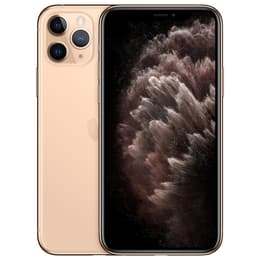
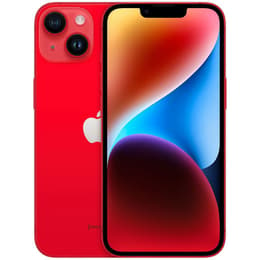
iPhone 11 Pro Vs iPhone 14
- 1-year minimum warranty
- Free delivery on all items
- Free 30-day returns
Differences at a glance
The iPhone 11 Pro, released in 2019, and the iPhone 14, launched in 2022, represent two different eras of smartphone evolution. While the iPhone 11 Pro was originally positioned as a top-tier professional device with a dedicated zoom lens, the iPhone 14 serves as a modern standard model that incorporates several years of technological advancements. Both devices operate on the iOS platform, ensuring a familiar user experience, though the three-year age gap between them results in significant differences regarding connectivity, processing power, and long-term software compatibility.
Available Models
Colour
Storage (GB)
Scores
Durability
The age difference between these two models is the primary factor when considering their remaining functional lifespan and software support duration.
- Software Longevity: The iPhone 14, being three years newer, is expected to receive official iOS updates and security patches for a significantly longer period than the iPhone 11 Pro. Users who plan to keep their device for four or five years will find the iPhone 14 more capable of running the latest software features and maintaining app compatibility.
- Physical Resilience: While the iPhone 11 Pro features a heavy stainless steel frame, the iPhone 14 utilises a Ceramic Shield front cover, which offers improved protection against accidental drops and screen cracks compared to the glass used on older models.
- Repairability: Both smartphones are designed with a similar internal architecture, meaning that common repairs like battery replacements or screen fixes are widely supported by professional technicians, though the iPhone 14 internal design has been updated to simplify certain component access.
Year of Release
2019
2022
Compatible with latest Update
Yes
Yes
OS
iOS
iOS
Foldable
No
No
Performance
In daily use, the performance gap between these devices is most noticeable during intensive tasks such as high-end gaming or editing high-resolution video files.
- System Responsiveness: The iPhone 14 handles demanding applications and multitasking with greater ease due to its more advanced internal hardware. While the iPhone 11 Pro remains smooth for standard web browsing and social media, the iPhone 14 provides more performance headroom for future apps that may require more resources.
- Battery Endurance: The iPhone 14 features a more efficient internal setup and a larger physical battery capacity, resulting in longer runtimes during typical daily use. Users who frequently consume media or use GPS navigation will find the iPhone 14 lasts longer before needing a charge compared to the iPhone 11 Pro.
- Multitasking Efficiency: With increased memory capacity, the iPhone 14 is better at keeping multiple apps open in the background without needing to refresh them, providing a more seamless experience for users who switch rapidly between different tasks.
Screen quality
Both devices utilise OLED technology, which provides deep blacks and high contrast, but they differ in physical size and peak brightness levels.
- Viewing Experience: The iPhone 11 Pro features a 5.8-inch display, making it one of the most compact modern smartphones, whereas the iPhone 14 offers a larger 6.1-inch screen. This extra screen real estate on the iPhone 14 makes it better suited for watching videos or reading long documents.
- Outdoor Visibility: The iPhone 14 is capable of reaching higher peak brightness levels, which makes the screen significantly easier to read when used outdoors under direct sunlight. The iPhone 11 Pro remains clear in most conditions but may struggle slightly more in very bright environments.
- Visual Clarity: Both screens offer high pixel density, ensuring that text looks sharp and images appear detailed. However, the iPhone 14 newer display panel offers slightly improved colour accuracy and efficiency for modern HDR content.
Resolution
1125 x 2436
1170 x 2532
Screen type
Super Retina XDR OLED
Audiovisual
The camera systems represent a trade-off between the versatility of multiple lenses and the advancements in modern image processing software.
- Zoom and Versatility: The iPhone 11 Pro includes a dedicated telephoto lens, allowing for high-quality optical zoom when taking portraits or photographing distant subjects. The iPhone 14 lacks this third lens, relying instead on digital cropping for zoomed-in shots.
- Low-Light Performance: The iPhone 14 features a larger main sensor and more advanced software processing, which allows it to capture significantly more detail and less noise in dark environments. Night mode photos on the iPhone 14 appear clearer and more natural than those taken on the older model.
- Video Capabilities: For video creators, the iPhone 14 introduces enhanced stabilisation features and a cinematic mode that mimics professional film focus transitions. These tools provide a more polished look for handheld videos compared to the standard stabilisation found on the iPhone 11 Pro.
Main camera
12 megapixels
12 megapixels
Front camera
12 megapixels
12 megapixels
Miscellaneous
Beyond the core specifications, several practical features distinguish these two generations, particularly regarding connectivity, safety, and physical handling.
- Network Connectivity: The iPhone 14 supports 5G networks, providing access to faster mobile data speeds and better performance in crowded areas where 5G infrastructure is available. The iPhone 11 Pro is limited to 4G LTE, which may feel slower as network technology continues to advance.
- Safety Features: The iPhone 14 includes specialised sensors for crash detection, which can automatically contact emergency services if a severe vehicle accident is detected. This is a significant safety addition that is entirely absent from the iPhone 11 Pro.
- Handling and Build: Despite its smaller screen, the iPhone 11 Pro is slightly heavier due to its stainless steel construction. The iPhone 14 uses lightweight aluminium, making it easier to hold for long periods, though some users may prefer the dense, substantial feel of the older Pro model. Both devices utilise the Lightning port for charging and data transfer.
Weight
188 g
172 g
Screen size (in)
5.8
6.1
Mobile network
4G
5G
SIM card
Physical SIM + eSIM
Physical SIM + eSIM
Carrier compatibility
Unlocked
Unlocked
Connector
Lightning
Lightning
What the community thinks
The choice between the iPhone 11 Pro and the iPhone 14 often comes down to a preference for specific hardware features versus modern longevity. Based on user discussions and community feedback, the iPhone 11 Pro is frequently praised for its compact size and the inclusion of the telephoto lens, which remains a favourite for portrait photography. However, some users note that its battery life and 4G connectivity are starting to show their age in a 5G-dominated world. Conversely, the iPhone 14 is lauded for its impressive battery endurance and the peace of mind provided by its newer safety features and extended software support. Some critics point out that it lacks the dedicated zoom lens found on the older Pro model, which may be a drawback for photography enthusiasts.
Users who prioritise a compact design and need a dedicated zoom lens for photography will find the iPhone 11 Pro to be a capable and well-built device. On the other hand, users who value long-term software updates, 5G connectivity, and the latest safety innovations will be better served by the iPhone 14. For those looking to make a sustainable choice, opting for a quality-assured refurbished option allows you to access these technologies while reducing environmental impact. Ultimately, both smartphones remain highly functional, and choosing a refurbished model is an eco-friendly alternative that supports a more circular electronics economy.